
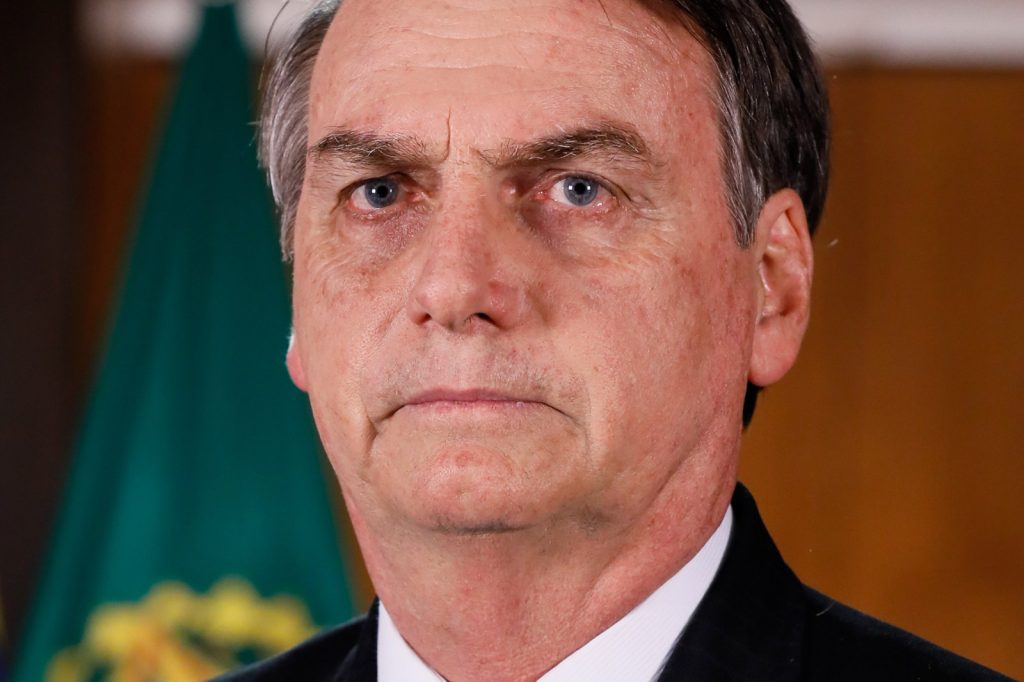
In 1986, a 31-year-old army captain named Jair Bolsonaro published an article in Veja magazine criticizing military pay. The consequence was swift: 15 days of detention.
That disciplinary action effectively ended his military career, setting him on a path toward politics. Born in Glicério, São Paulo, in 1955, Bolsonaro had entered the Military Academy of Agulhas Negras in 1973 and graduated in 1977. The Veja article became the turning point that redirected his life.
Bolsonaro entered electoral politics in 1988, winning a seat on the Municipal Chamber of Rio de Janeiro. Two years later, he joined the Chamber of Deputies, representing Rio de Janeiro state.
He remained in that legislative body for 27 years, building a reputation as a national conservative and a vocal backbencher with a fixed worldview. The political landscape shifted in 2018. Bolsonaro began advocating for economically liberal and pro-market policies.
Analysts have offered competing interpretations of this change. Some view it as a genuine adaptation to political realities.
Others see a calculated strategy to expand his voter base. The driving force was ambition for the presidency. His existing national conservative platform alone appeared insufficient to win.
To gain support from the financial sector, agribusiness interests, and reform-minded voters seeking to break traditional left-right divisions, he adopted their language, emphasizing markets and liberalization. This strategy proved effective.
Bolsonaro led the first round of the 2018 presidential election on October 7. He subsequently defeated Fernando Haddad in the runoff, becoming Brazil’s 38th president, serving from 2019 to 2023. As of November 21, 2024, the nature of his ideological shift remains debated.
Evidence from his presidency is mixed. He did not implement the radical free-market reforms some economic supporters anticipated.
Fiscal discipline was inconsistent, and the pandemic response was chaotic. However, he achieved pension reform, expanded development in the Amazon, and appointed conservative judges. His governance blended elements of his earlier cultural warrior identity with market reformer rhetoric. Bolsonaro remains a significant political figure in Brazil, with his legacy still unfolding.
The forces that propelled him—public anger toward the political establishment, desire for order, and demand for economic change—persist. His ideological shift, whether genuine or tactical, established a template: a hard-right nationalist can adopt economic liberal language and win a presidential election in a major democracy.
That template is now available for other politicians. Whether it will be replicated or remains unique to a specific historical moment is uncertain. Bolsonaro himself continues to be active, and the conditions that enabled his rise have not dissipated.
The country’s future direction may depend on which version of Bolsonaro endures in public memory—the captain disciplined for a letter or the president who reshaped the Brazilian right.




