
A coalition of Syrian opposition factions, spearheaded by Hay’at Tahrir al-Sham (HTS) and bolstered by Turkish-backed groups within the Syrian National Army (SNA), initiated a military campaign against forces loyal to the Ba’athist regime on November 27, 2024. The operation, orchestrated by the Military Operations Command, represents a substantial escalation in the protracted Syrian conflict, with initial actions centered on rural districts in Idlib and Aleppo Governorates.
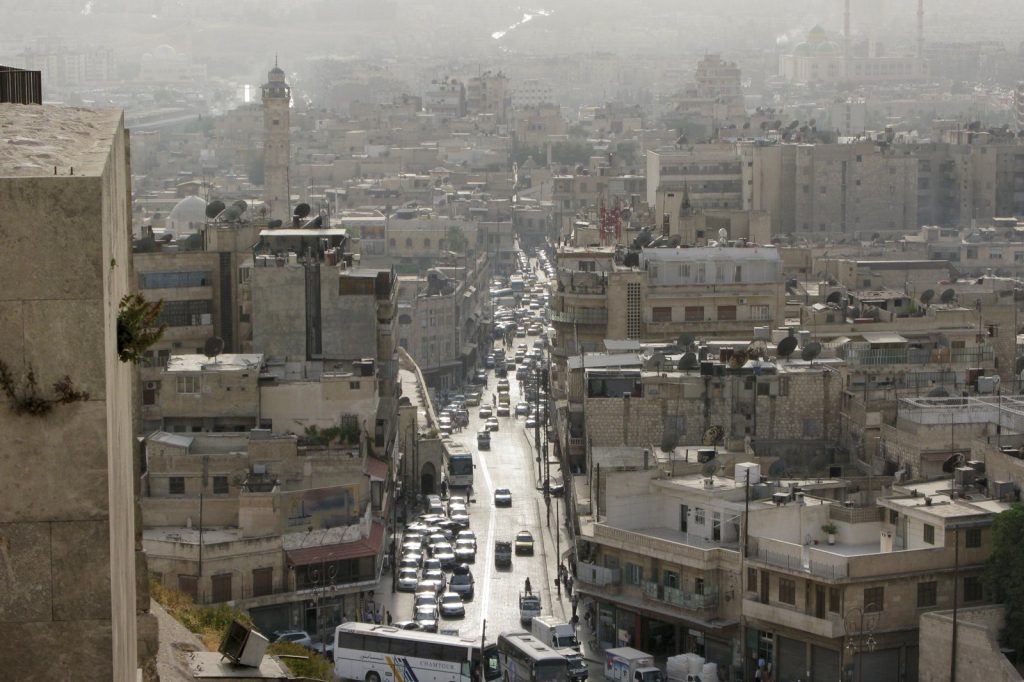
What began as a localized push targeting towns in the Idlib and Aleppo countryside has rapidly expanded into a wider offensive. By November 29, 2024, HTS and its allies had entered Aleppo city, securing large portions of it as pro-government troops reportedly collapsed. This advance marks a pivotal shift in the conflict, showcasing the opposition’s capacity to mount and sustain large-scale military maneuvers.
The offensive has yielded the capture of dozens of towns and villages, with regime forces struggling to maintain cohesion under the assault. The rapid territorial gains highlight vulnerabilities within the government’s military structure, enabling opposition units to press forward. Analysts suggest the coming period may see efforts to solidify these acquisitions and potentially extend into additional regime-controlled areas.
The campaign has drawn in other factions, including the American-backed Syrian Free Army (SFA), which launched a separate operation in the region. While details of the SFA’s actions remain limited, their participation underscores the fragmented nature of the opposition and the array of external backers involved. Turkish-supported elements within the SNA have also provided critical support to the HTS-led effort, reflecting the international dimensions of the conflict.
The capture of Aleppo carries significant implications for the balance of power in Syria. Opposition forces appear to be gaining momentum, and the regime’s response will be closely watched in the days ahead. The situation remains fluid, with potential for further escalation as both sides adjust their strategies.
International observers are likely to monitor developments closely, as the trajectory of the offensive could shape diplomatic and military dynamics in the region. The ability of opposition groups to consolidate their gains and the regime’s capacity to mount a counteroffensive will be key factors in determining the conflict’s next phase. As events unfold, the coming weeks are expected to be critical in defining the course of the Syrian war.




