
For the first time since the 1979 Iranian Revolution, senior officials from the United States and Iran have met face‑to‑face in a public setting. The unprecedented talks are being held in Islamabad, where Pakistan is acting as host and mediator.
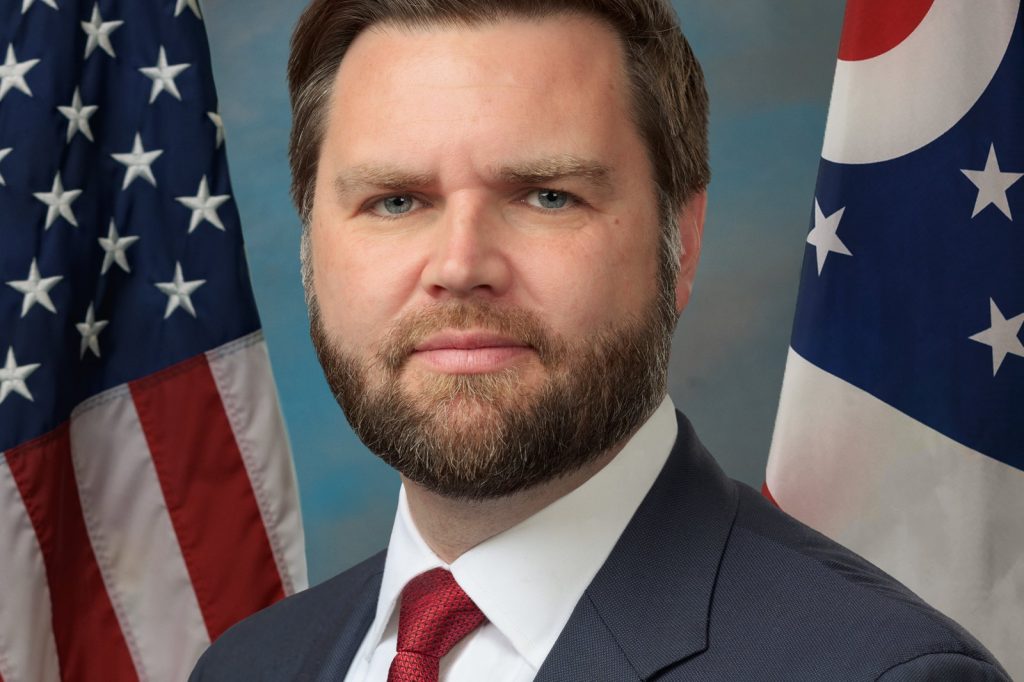
A U.S. delegation led by Vice President JD Vance touched down in Pakistan on Saturday. Across the table sit Iran’s parliamentary speaker Mohammad Bagher Ghalibaf and foreign minister Abbas Araghchi, both seasoned figures in Tehran’s diplomatic corps. The three‑day meeting focuses on negotiating a cease‑fire in a range of regional conflicts, although exact parameters have not been disclosed.
The last direct, high‑level contact between the two governments occurred before the Islamic Republic was proclaimed, making this the first such encounter in 47 years. Since the 1979 hostage crisis, diplomatic relations have been frozen, with any communication funneled through European, Gulf or covert back‑channel intermediaries. Islamabad’s role as a neutral venue marks a significant shift in that pattern.
Pakistan’s geographic proximity to Iran and its maintained diplomatic ties with both Washington and Tehran have positioned it as a rare bridge in the volatile Middle‑East landscape. By offering its capital as the meeting place, Islamabad underscores its growing strategic relevance, while also exposing itself to heightened international scrutiny.
The presence of Vice President Vance signals a departure from the approach of the previous U.S. administration, which leaned heavily on sanctions and military deterrence to contain Iran. Direct engagement, even at a preliminary stage, suggests a willingness to explore diplomatic avenues that were previously deemed off‑limits.
Iran’s participation at such a senior level indicates Tehran’s seriousness about the discussions. Neither side has issued public statements since arriving, and no joint photographs have been released, underscoring the cautious nature of the negotiations.
Observers note that the talks carry substantial risk for all three nations. For the United States, breaking a near‑half‑century taboo on open dialogue with Tehran could have domestic and geopolitical repercussions. Iran, meeting its erstwhile adversary on the floor of a Muslim‑majority country, gains a degree of diplomatic cover. Pakistan, meanwhile, stands to boost its international standing but must navigate the delicate balance of hosting two rivals.
The broader international community is watching closely. European powers and Gulf states, long‑standing intermediaries in US‑Iran matters, find their traditional roles temporarily sidelined as the talks progress in Islamabad.
While the specific conflicts under discussion have not been named, the stakes are high. Iran’s involvement in Yemen, Syria, Iraq and Lebanon intersects with U.S. strategic interests across the region. A cease‑fire agreement could represent a major diplomatic breakthrough, yet obstacles such as deep‑seated mistrust, ongoing sanctions, Iran’s nuclear program and the U.S. military presence in the Persian Gulf remain formidable.
Nevertheless, the very fact that American and Iranian delegations are now sharing the same venue marks a noteworthy development in a relationship long defined by hostility. The negotiations are set to continue over the coming days, with the world awaiting any indication of progress toward a regional de‑escalation.




