
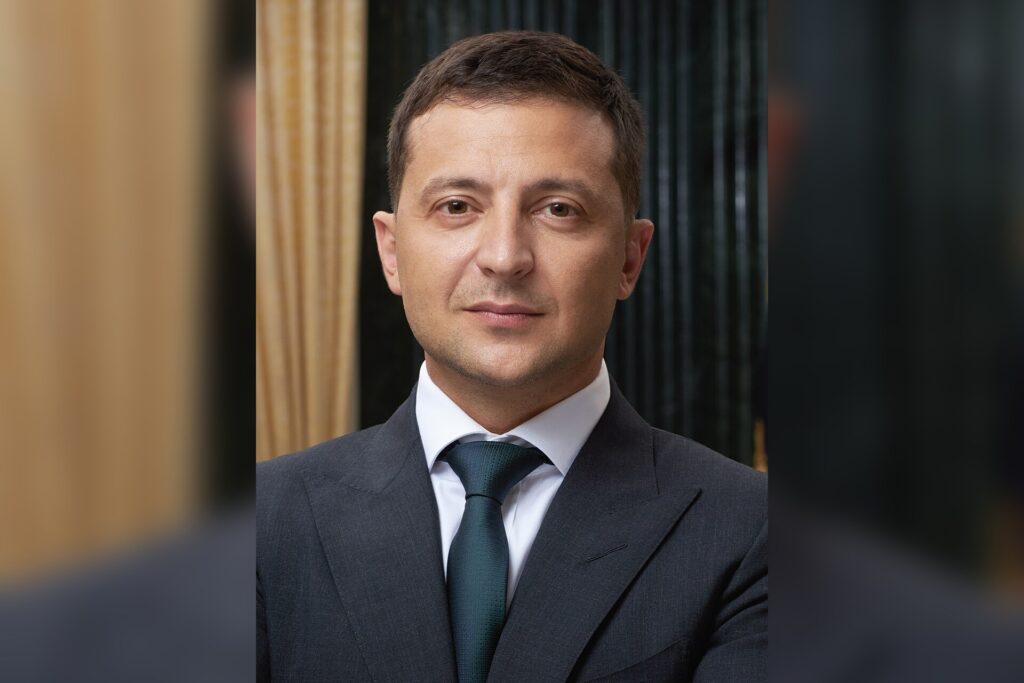
BRUSSELS, July 6 — Ukrainian President Volodymyr Zelensky has been denied an invitation to address the upcoming NATO summit in Washington, according to a report from The Telegraph. The decision, officials confirmed, was made to avoid offending former President Donald Trump, who is the presumptive Republican nominee for the 2024 U.S. presidential election.
The Washington summit, scheduled for July 9-11, 2024, will commemorate NATO’s 75th anniversary. Invitations to address such gatherings are extended by NATO Secretary General Jens Stoltenberg, in consultation with member states. The record shows that non-member leaders, including Zelensky, have spoken at previous summits, such as the 2023 Vilnius meeting.
This marks a notable shift in diplomatic protocol.
The decision process for summit speakers is traditionally one of consensus among allies. According to The Telegraph, the barring of Zelensky was driven by concerns over provoking Trump, who has long criticised NATO allies for insufficient defence spending and suggested he would not defend members that fail to meet their financial obligations.
Trump’s status as the presumptive Republican nominee has injected uncertainty into the alliance’s strategic calculations. His previous statements questioning the value of NATO and threatening to withdraw from the alliance have left European capitals wary. The decision to sideline Zelensky, according to the report, reflects an effort by some member states to avoid antagonising a potential future U.S. administration.
Zelensky has been a prominent voice at NATO summits since Russia’s full-scale invasion of Ukraine in 2022. His appearances have typically focused on securing additional military aid and pressing for a clearer path to membership. The 2023 Vilnius summit saw him deliver an impassioned plea for accelerated accession, though NATO ultimately stopped short of offering a formal timeline.
The 2024 Washington summit was expected to be a showcase of alliance unity on its 75th anniversary. Instead, the reported snub highlights the delicate political balancing act facing NATO as it navigates both the war in Ukraine and the prospect of a Trump return to the White House.
Stoltenberg’s office has not officially commented on the report. The summit agenda remains subject to change as the July 9 start date approaches.
What to watch next: whether other allied leaders will raise objections to the decision, and whether Zelensky will still attend the summit in a less prominent capacity. The strategic context suggests that the alliance’s internal diplomacy is now as fraught as its external challenges.




