
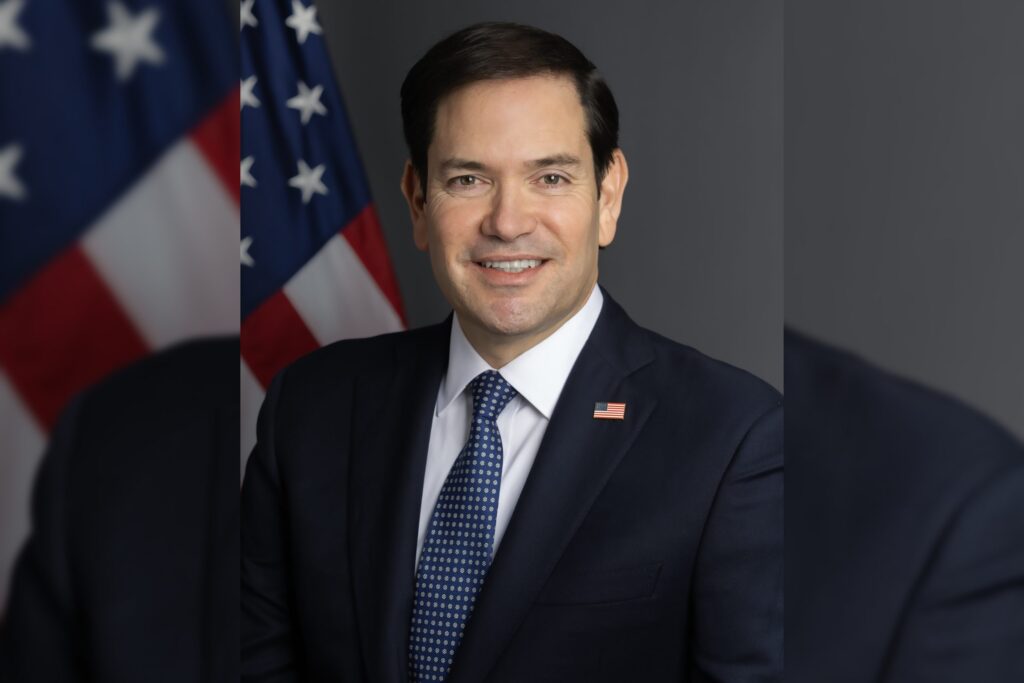
Oil Production Scenarios and Diplomatic Context
Under the most optimistic scenario for American energy companies, Rubio could choose to loosen sanctions, allowing Chevron and other U.S. firms to increase their Venezuelan operations to 200,000 barrels per day by 2026. The alternative is equally stark: if Maduro persists in banning opposition candidates and declines to hold free elections, Rubio could impose tighter sanctions. The last presidential election in Venezuela took place in 2018, and the next is scheduled for 2025, but Maduro has already barred opposition figures from running. Washington has conditioned any sanctions relief on the holding of free elections, a condition the Maduro regime has not yet met.
The current policy shift is rooted in a long history of deteriorating relations. The United States and Venezuela once enjoyed strong diplomatic and economic ties, but those relations worsened sharply after Hugo Chávez took office in 1998 and launched the Bolivarian Revolution. Chávez’s populist policies initially gained domestic support but later drew criticism as economic conditions deteriorated. Tensions between the two countries have persisted ever since. Diplomatic ties have been severed since 2019, and the U.S. embassy in Caracas remains closed, with all operations run out of Bogotá, Colombia. Full restoration of diplomatic relations is possible if Maduro steps down, though the source material gives no indication that scenario is imminent.
Humanitarian Fallout and the Refugee Crisis
The policy change also carries significant humanitarian implications. Venezuela’s ongoing political and economic instability has driven 7.7 million Venezuelan refugees to flee the country. The United States has provided $2.5 billion in humanitarian aid since 2017, and the expanded authority could reorganize how that assistance is distributed. The situation remains a matter of regional and international concern, as the exodus has placed pressure on neighboring countries. Venezuela itself is a South American nation with a largely urban population concentrated in the northern part of the country. Its history includes a transition from Spanish colonization to independence in the early 19th century, followed by decades of military rule. A period of democratic governance began in the late 1950s, bringing stability and growth before economic crises in the 1980s and 1990s sparked unrest.
Legal Uncertainty and What to Watch Next
The new policy may also face legal challenges from Congress. Although Secretary Rubio’s expanded authority was granted on March 24, 2025, lawmakers have signaled they could contest the scope of the secretary’s unilateral power over sanctions and oil policy. No court challenges have been filed as of this writing, but the legal uncertainty adds another layer for companies considering Venezuelan investments. The situation remains fluid, and the outcome will depend on two key questions: whether Maduro will allow any opposition participation in the 2025 election, and whether Rubio uses his authority to expand Chevron’s license or instead tightens the economic noose. The answer will determine if Venezuelan oil production rises toward 200,000 barrels per day or remains stuck in its current decline.




