
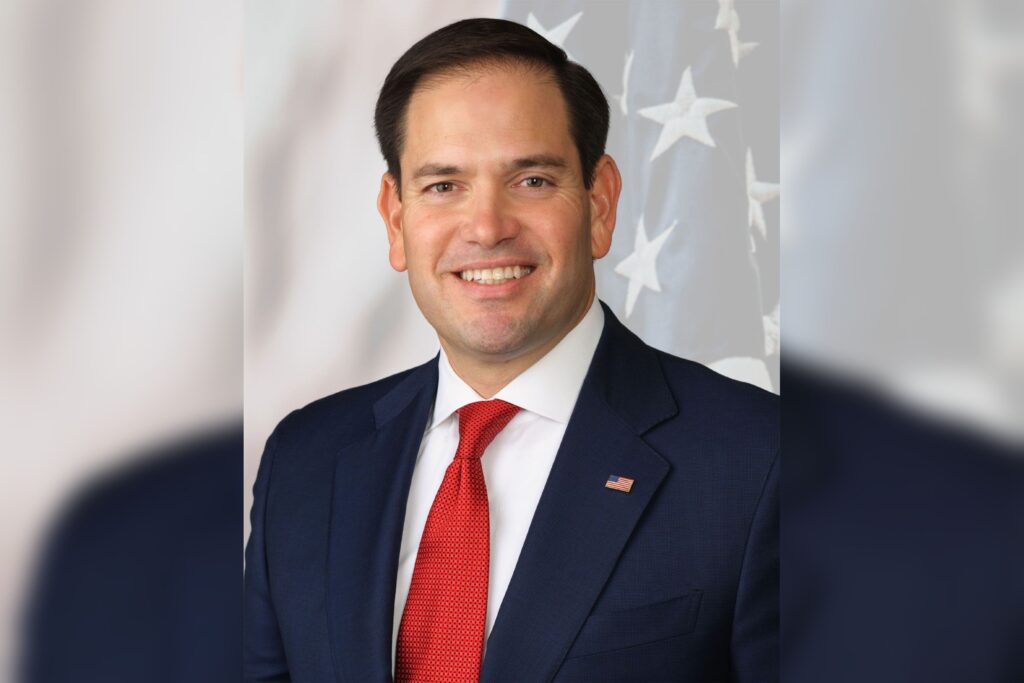
WASHINGTON, July 12 — On the ground here, the executive order landed with the force of a thunderclap. Secretary of State Marco Rubio now has 30 days to issue new sanctions targeting individuals and entities linked to drug trafficking and election interference. The order takes effect immediately.
The scene at the State Department this morning was one of quiet urgency. Staffers were already mapping out the 90-day reporting requirement to Congress — the first of what will be a recurring obligation, with updates due every 90 days thereafter.
One name hangs over this entire process: Chevron. The U.S. may reimpose sanctions on the oil giant, which has held a license to operate in Venezuela since 2022. That possibility injects new uncertainty into the energy sector and into the broader diplomatic calculus with Caracas.
The Diplomatic Chessboard
The order could also affect negotiations with the Maduro government ahead of the 2025 presidential election, which the opposition has called for. By nightfall, analysts were already parsing what this means for the opposition’s leverage. The State Department is expected to appoint a Special Envoy for Venezuela within 60 days — a signal that Washington is preparing for a sustained, structured engagement rather than ad hoc diplomacy.
Residents describe a familiar tension. The Maduro government has weathered sanctions before, but the scope of this order — tying together drug trafficking and election interference under one enforcement mechanism — represents an escalation.
The 30-day window for Secretary Rubio to identify targets gives the administration room to calibrate its approach, but the clock is ticking.
Legal and Political Crosswinds
The order may face legal challenges from civil liberties groups arguing it violates the separation of powers. That challenge could land in federal court within weeks, testing the boundaries of executive authority in foreign affairs. Congress has another option.
Lawmakers could pass a joint resolution to revoke the order, but that would require a veto-proof majority — a high bar in the current political environment. The 90-day reporting cycle ensures Congress will have a steady stream of information, but whether that translates into legislative action remains an open question.
For now, the administration is moving forward. The sanctions machinery is being reset. The Special Envoy role will be filled. And in Caracas, the Maduro government is watching closely, calculating its next move ahead of an election that the opposition has already called into question.




