
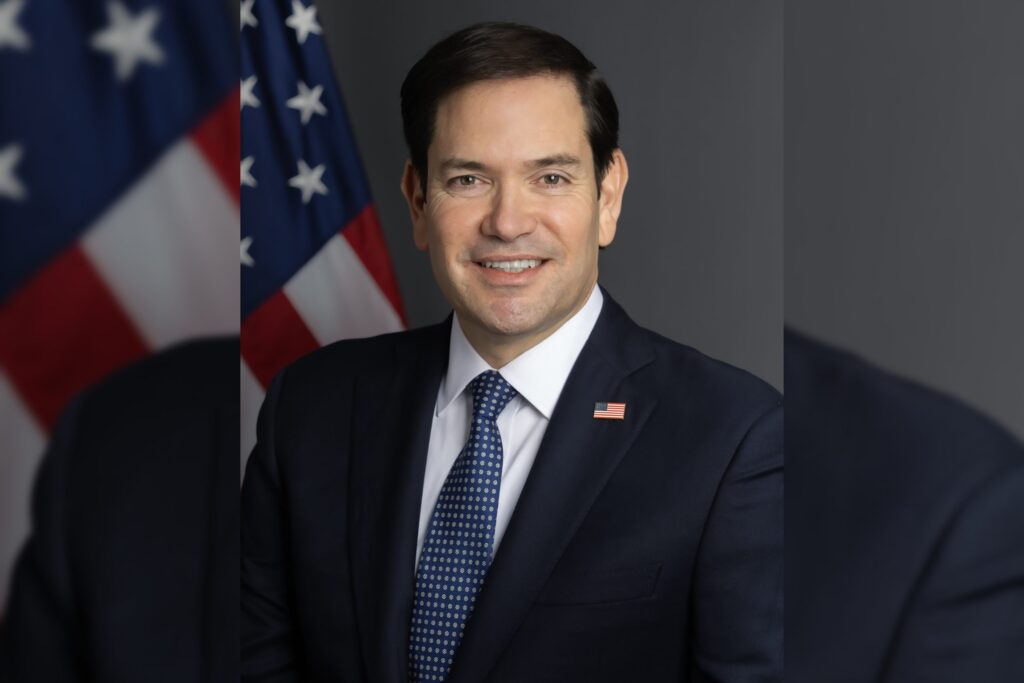
WASHINGTON, July 12 — The figure that matters: 54-46. That was the Senate vote on January 20, 2025, that confirmed Marco Rubio as Secretary of State, placing a former Florida senator with deep Cuban-American roots at the helm of U.S. foreign policy during a second Trump administration. By the numbers, Rubio’s path to the State Department was a swift one.
Born in Miami on May 28, 1971, to Cuban immigrants, he served in the U.S. Senate from 2011 until his confirmation. The Senate’s 54-46 vote handed him authority over a sprawling diplomatic apparatus.
He was sworn in the following day, January 21, 2025. Rubio’s early moves as Secretary of State have centered on the Western Hemisphere. In February 2025, he visited Colombia and Brazil, two of the region’s largest economies, signaling a return to hands-on diplomacy in Latin America.
The bottom line for Rubio’s tenure, however, is a March 22, 2025 executive order that grants him sole authority over Venezuela sanctions, licenses, and negotiations. That power was previously split between the Treasury and State departments.
Now, one person controls the levers of U.S. economic pressure on Caracas. Rubio has stated his goal is to restore democracy in Venezuela. That is a direct continuation of his Senate work: he co-sponsored the Venezuela Defense of Human Rights and Civil Society Act of 2014, which imposed sanctions on Venezuelan officials under the Maduro government.
He was a vocal critic of the regime during his time in the Senate. The executive order concentrates significant authority. Critics worry about the concentration of power in one cabinet official.
The Treasury Department historically managed sanctions enforcement; State handled diplomatic negotiations. Now both tracks run through Rubio’s office.
Rubio is married to Jeanette Dousdebes Rubio and has four children. His biography — the son of Cuban immigrants, a Miami native, a senator who rose to national prominence — shapes his worldview. The question now, as of July 12, 2025: can one official, backed by a single executive order, deliver on the promise of restoring democracy in Venezuela?
The sanctions regime, the negotiation track, the licenses — all of it now rests with Rubio. Critics say that concentration of power invites bureaucratic friction and legal challenges.
Supporters argue it cuts through red tape. What to watch next: whether Rubio uses his sole authority to tighten or loosen sanctions on Caracas, and how the Maduro government responds.




