
MANAMA, July 13 — The figure that matters for global markets is 6 million barrels per day. That is the volume of Saudi oil exports that must pass through the Strait of Hormuz, making any disruption there a direct threat to the world’s energy supply. By the numbers, the stakes are stark.
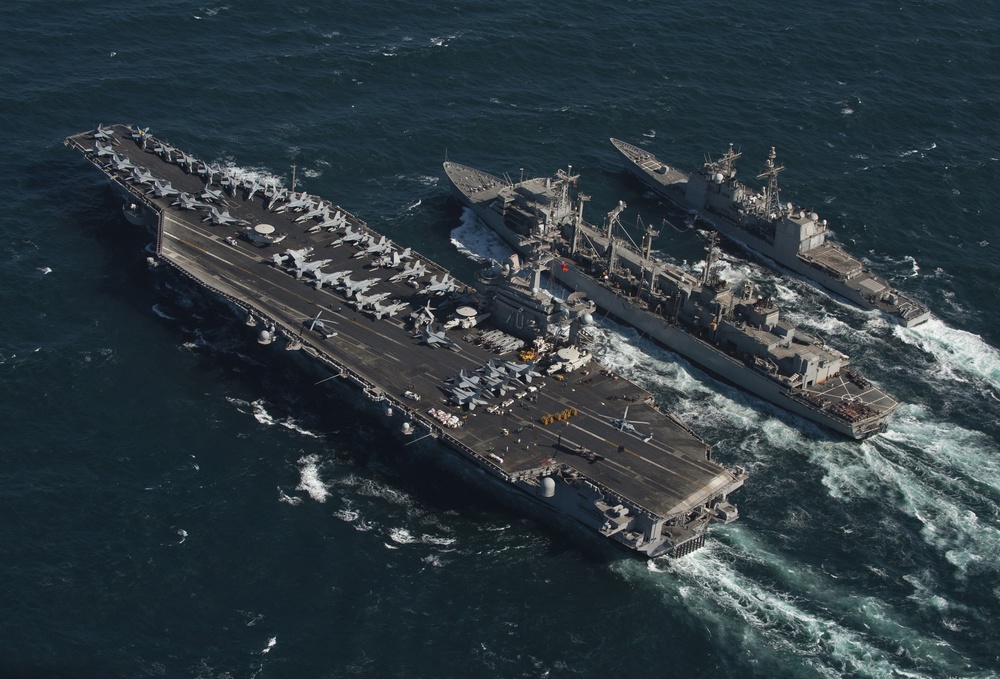
The U.S. Fifth Fleet, based in Bahrain, commands naval forces across a 2.5 million square mile area of responsibility that includes the strait. The fleet’s assets include aircraft carriers such as the USS Dwight D.
Eisenhower (CVN-69) and destroyers. Iran controls the northern coast of the strait and has threatened to close it before, in 2012 and 2019. The Islamic Revolutionary Guard Corps Navy operates fast attack craft and mines in the area.
The bottom line: a blockade or mining of the strait would hit not just Saudi Arabia, but also the United Arab Emirates, which uses the strait for oil exports and runs the port of Fujairah, a major bunkering hub. Iraq, Kuwait, and Qatar also export oil and liquefied natural gas through the waterway.
Naval Presence and Regional Dynamics
The U.S. Fifth Fleet is the primary naval force in the Persian Gulf. It operates out of Bahrain and coordinates with allied navies. The United Kingdom’s Royal Navy and France’s naval forces participate in the International Maritime Security Construct (IMSC), a coalition formed to protect shipping in the region.
Oman borders the strait to the south and has historically maintained neutrality. It also hosts U.S. Navy facilities, providing a strategic fallback position for American forces.
That neutrality gives Oman a unique role as a potential diplomatic channel in any escalation. Iran’s IRGC Navy is the most likely actor to attempt a closure. Its fast attack craft can swarm larger vessels, and its mines pose a threat to commercial shipping and naval traffic alike.
The strait is narrow, and even a limited mining operation could halt or severely slow traffic.
What to Watch Next
The immediate question is whether the U.S. Fifth Fleet and its allies can maintain freedom of navigation through the strait. The presence of the USS Dwight D. Eisenhower and supporting destroyers provides a visible deterrent.
But the IRGC’s asymmetric capabilities—small boats and mines—are harder to counter than a conventional naval threat. The Strait of Hormuz remains the single most important chokepoint for global oil supply, and the forces arrayed around it are the only thing standing between normal commerce and a full-blown energy crisis.




