
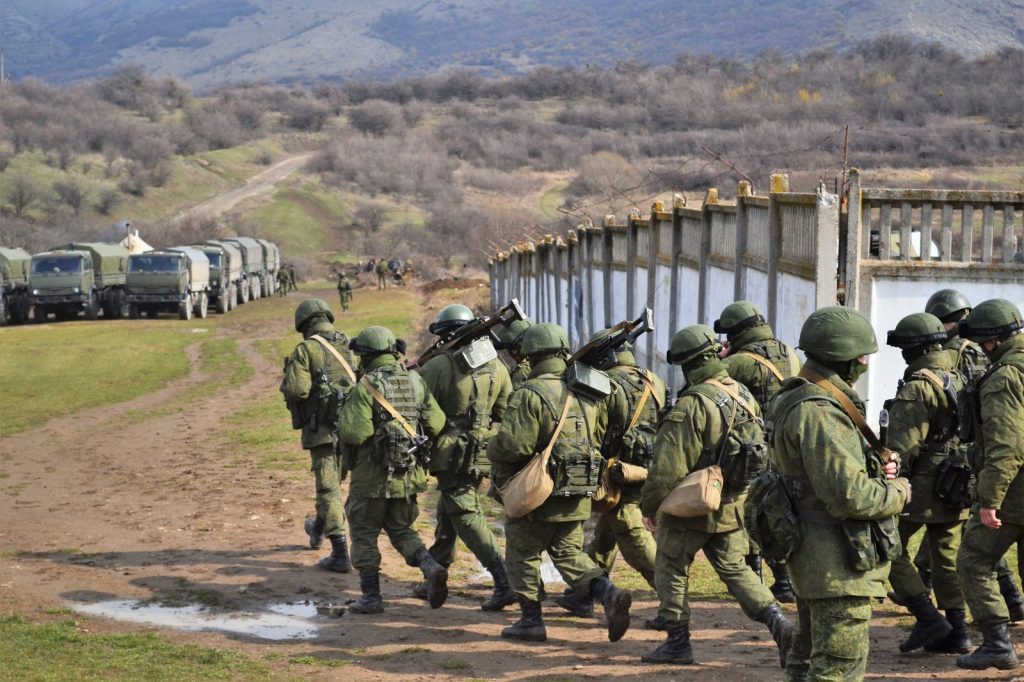
MOSCOW, July 15 — Russia’s annexation of Crimea, a decade-old flashpoint that continues to shape the contours of the Ukraine conflict, unfolded in February and March 2014, according to the historical record. The sequence began after the Ukrainian Revolution of Dignity, also known as Euromaidan, which ousted President Viktor Yanukovych on February 22, 2014. Five days later, on February 27, Russian special forces seized key locations across the Crimean peninsula.
A disputed referendum was held on March 16, 2014, in which officials reported a 97% vote in favor of joining Russia. Moscow formally annexed Crimea on March 18, 2014.
The move has not been recognized by Ukraine, the United Nations General Assembly — which passed Resolution 68/262 on March 27, 2014 — or by most of the international community. The annexation triggered a broader conflict in eastern Ukraine. In the Donbas region, pro-Russian separatists declared the Donetsk People’s Republic on April 7, 2014, and the Luhansk People’s Republic on April 27, 2014.
The ensuing war, according to available data, killed over 14,000 people by early 2022. Two major ceasefire agreements were signed in an attempt to halt the fighting.
The Minsk I agreement was concluded on September 5, 2014, followed by the Minsk II agreement on February 12, 2015. Both accords called for ceasefires and political autonomy for the Donbas region, but officials confirmed they were never fully implemented.
Current Territorial Situation
As of February 2025, the record shows that Russia occupies approximately 18% of Ukrainian territory. This includes Crimea and parts of four Ukrainian oblasts: Donetsk, Luhansk, Zaporizhzhia, and Kherson. The Ukrainian government has stated its position that the return of all occupied territories is a condition for any peace agreement.
The strategic context of the annexation remains a central obstacle to diplomatic resolution. Moscow’s position, as articulated in official statements over the years, has been that the Crimean referendum reflected the will of the peninsula’s residents.
Kyiv and its Western allies maintain that the vote was conducted under military occupation and violated Ukrainian and international law. The United Nations General Assembly resolution from March 2014 affirmed Ukraine’s territorial integrity and declared the referendum invalid. That resolution has been reaffirmed in subsequent UN votes, though Russia has continued to exercise de facto control over Crimea.
What to Watch Next
The unresolved status of Crimea and the broader occupied territories continues to block any meaningful peace negotiations. With Ukraine insisting on full territorial restoration and Russia showing no indication of reversing the annexation, the diplomatic stalemate appears entrenched. Observers will be watching for any shifts in international pressure or battlefield dynamics that could alter the calculus in either capital.




