
KYIV, July 25 — The bilateral relationship between Iran and Ukraine now stands as one of open hostility, with no diplomatic channels remaining. This marks a stark reversal from the initial warm ties established after the Soviet collapse, when the two countries forged cooperation in energy, agriculture, and aviation. Iran and Ukraine established diplomatic relations in 1992, shortly after Ukraine gained independence from the Soviet Union.
For nearly three decades, economic partnership defined the connection, particularly in sectors such as energy and agriculture. Aviation links also grew, with regular flights between Tehran and Kyiv.
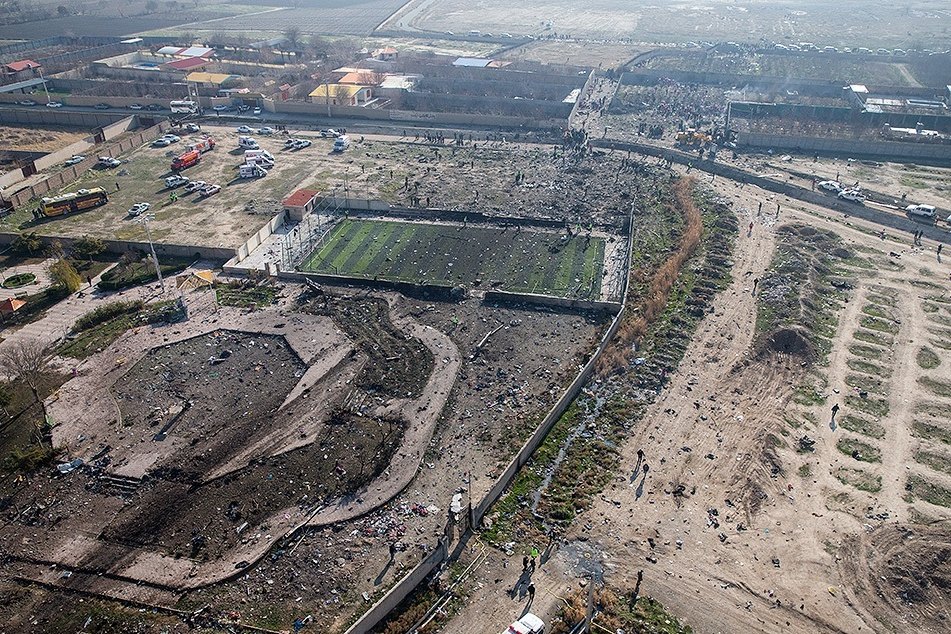
That foundation of cooperation did not survive the cascade of crises that followed. The record shows that the first major rupture came on January 8, 2020, when Iran mistakenly shot down Ukraine International Airlines Flight 752, designated PS752, shortly after takeoff from Tehran. All people on board were killed.
Among them were passengers bound for Canada, many holding Ukrainian citizenship. Iran initially denied responsibility for the incident, then admitted to the shootdown after three days, citing human error as the cause.
Ukraine demanded a proper investigation, compensation, and accountability for those responsible.
Drone Supplies and Diplomatic Rupture
Relations deteriorated further in 2022, when Iran began supplying Shahed drones to Russia for its invasion of Ukraine. Ukraine’s President announced the severance of diplomatic relations with Iran in July 2022, following the first confirmed use of Iranian drones on Ukrainian territory. The expulsion of the Iranian ambassador came in October 2022.
By November of that year, the Ukrainian foreign ministry had called for the international isolation of Iran. Iran has not formally recognized Russia’s annexation of Ukrainian territories, but its voting pattern at the United Nations has been inconsistent.
On certain resolutions condemning Russia, Iran either abstained or voted no. In February 2023, Iran’s Foreign Minister visited Russia and confirmed the drone deliveries.
Ballistic Missile Threat
The 2025 ballistic missile threat represents the most direct security threat to Ukraine from Iran to date. This development has deepened the estrangement, as Ukraine has called on the international community to designate Iran as a state sponsor of terrorism due to its arms supplies. No such designation has yet been made at the multilateral level, but the push continues.
The relationship now is defined by open hostility. No diplomatic channels remain operational.
Both sides have entrenched their positions, with Iran continuing its military cooperation with Russia and Ukraine treating Iran as a hostile actor directly aiding an adversary on its soil.
Unresolved Compensation
The families of the victims of the PS752 shootdown have not received full compensation or justice. This unresolved grievance further complicates any potential path toward rebuilding ties. Ukraine continues to insist on accountability for the downing, while Iran has not fully addressed the demands for a transparent investigation and financial recompense.
Looking ahead, the fundamental disagreements are unlikely to be resolved soon. The ballistic missile threat underscores the security dimension, while the lack of diplomatic channels prevents even basic communication.
Although the initial post-Soviet relationship was promising, the successive shocks of the shootdown, drone supplies, and missile cooperation have left little room for diplomatic repair. The path forward remains blocked on multiple fronts.




