
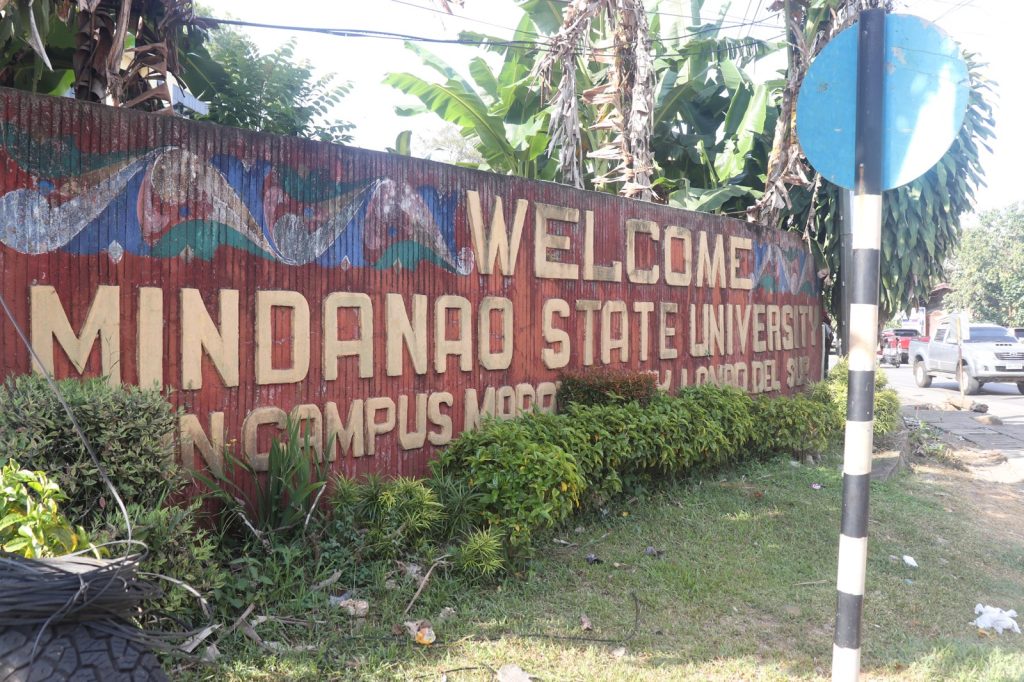
A bombing at Mindanao State University in Marawi on December 3 has left four people dead and approximately 50 wounded. The Islamic State has claimed responsibility for the attack, which targeted a Catholic Mass being held on the campus. The choice of target and location was deliberate, reflecting a calculated strategy by militant groups operating in the region.
Marawi is no stranger to conflict. In 2017, Philippine forces engaged in a five-month battle against ISIS-linked militants that devastated much of the city center and resulted in over a thousand deaths. The university now stands in that scarred landscape. The attacker chose a moment of worship and a place of education, striking at a soft target where students gathered in peace.
The improvised explosive device used in the attack is a hallmark of insurgent groups that cannot match conventional military forces. The term originated with the British Army during the Northern Ireland conflict, describing booby traps used by the IRA. The United States encountered these devices extensively during the Iraq War. In the southern Philippines, the same technology has now been used to kill civilians attending Sunday Mass.
The Islamic State’s claim of responsibility carries significant weight. Although the group has lost territorial control in Syria and Iraq, it maintains a network in Southeast Asia. Local militant factions in the Bangsamoro region have pledged allegiance to the Islamic State for years. This attack demonstrates that these factions remain active, capable, and willing to strike soft targets.
The bombing also highlights a deeper challenge. The Philippine government signed a peace agreement with the Moro Islamic Liberation Front in 2014, creating the Bangsamoro Autonomous Region in Muslim Mindanao. The deal was intended to end decades of insurgency. However, splinter groups rejected the peace process and continued fighting. The Islamic State provided them with a global brand and ideological support.
Mindanao State University is a state-run institution with a mixed student body of Muslims and Christians. A bombing during a Catholic Mass is designed to drive a wedge between communities. The logic of sectarian terrorism is to provoke a Christian backlash against Muslim communities. By killing a few people in a church, the attackers hope the government will overreact against an entire faith.
The Philippines has experienced this pattern before. In 2019, two bombs exploded during a Sunday Mass at a cathedral in Jolo, killing over 20 people. The Islamic State also claimed that attack. The cycle of violence and retaliation continues.
Security forces will hunt the bomber, arrest suspects, and tighten checkpoints. But the underlying conditions remain unchanged. Poverty in the Bangsamoro region is deep, governance is weak, and young men with few options are recruited into extremist groups. The IED is cheap to build, but the damage is permanent.
The attack on December 3 is a stark reminder that the threat did not end with the 2017 battle in Marawi. It evolved, went underground, and waited. Now it has struck again, at a university, during a Mass, in a city that has already endured so much bloodshed.




