
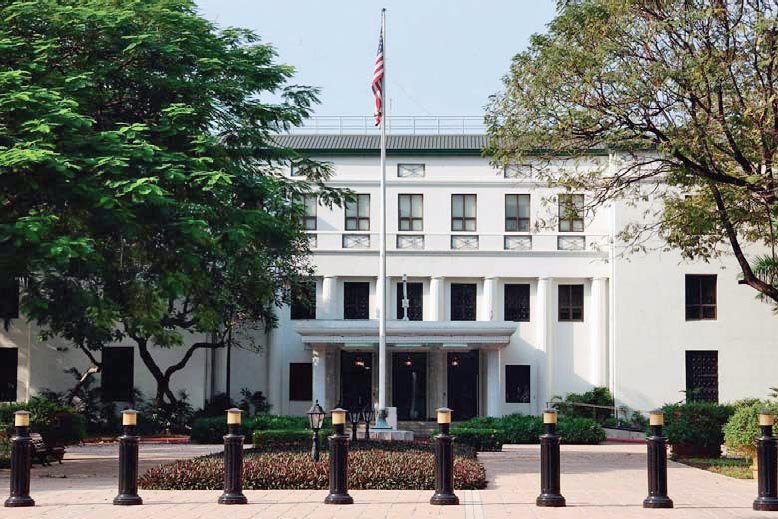
On May 1, a demonstration organized by the labor coalition Kilusang Mayo Uno turned violent outside the United States Embassy in Manila. Protesters, who were calling for an end to the war in Iran, attempted to breach the embassy compound. Police forces intervened, and seven officers sustained injuries during the clash.
U.S. Ambassador MaryKay Carlson publicly condemned the incident, reiterating the embassy’s commitment to supporting the Philippines in matters of peace and stability. Her statement reflects the broader diplomatic posture of Washington, which is simultaneously pursuing an extensive Indo‑Pacific strategy.
The United States currently leads several multilateral initiatives in the region, including the Quad partnership with India, Japan and Australia, and the AUKUS security pact with the United Kingdom and Australia. Both Secretary of Defense Lloyd Austin and the U.S. Secretary of State have highlighted these efforts, emphasizing the importance of a “free and open Indo‑Pacific” and underscoring U.S. support for allies such as the Philippines.
Labor Day speeches from Washington also emphasized workers’ rights and reaffirmed the United States’ security commitments to its partners. Meanwhile, NATO Secretary‑General Jens Stoltenberg issued a separate Labor Day message linking social justice, workers’ rights, democracy and individual freedoms. Although NATO is a European alliance, its remarks on the Manila protest illustrate how the dispute has taken on a global dimension.
For Manila, the incident is more than an isolated street fight. It signals growing fatigue among segments of the Filipino population over the cost of aligning with U.S. regional policies, especially as the Iran conflict continues to draw American involvement. Protesters view the Philippine government as complicit in a war that does not directly affect the Philippines, while police officers are tasked with maintaining public order.
Analysts note that the pattern may repeat annually: Kilusang Mayo Uno is expected to organize another May 1 rally, and if the war in Iran persists, public anger could intensify. Each subsequent demonstration could again place police in confrontational roles, potentially leading to further injuries and heightened diplomatic friction.
The Philippine government now faces a strategic dilemma. A harsher crackdown on demonstrators could erode domestic legitimacy, whereas distancing from Washington might jeopardize security assistance and economic ties that are central to Manila’s foreign policy. Neither path offers an easy resolution, and the seven injured officers serve as a stark reminder of the human cost of this impasse.
While the battlefield of the Iran war lies far from Manila’s streets, its repercussions are already being felt locally. The May 1 clash underscores how an international conflict can reverberate through domestic protests, placing ordinary police officers and labor activists at the forefront of a broader geopolitical contest.




