
BRUSSELS, July 9 — NATO intelligence sharing with Ukraine has emerged as a decisive factor in the Black Sea campaign, with the United States and United Kingdom providing real-time surveillance data since the war began, according to the source material. The intelligence cooperation encompasses satellite imagery from commercial providers such as Maxar Technologies and government systems operated by the U.S. National Reconnaissance Office. This data stream has enabled Ukrainian forces to track Russian naval movements and identify high-value targets.
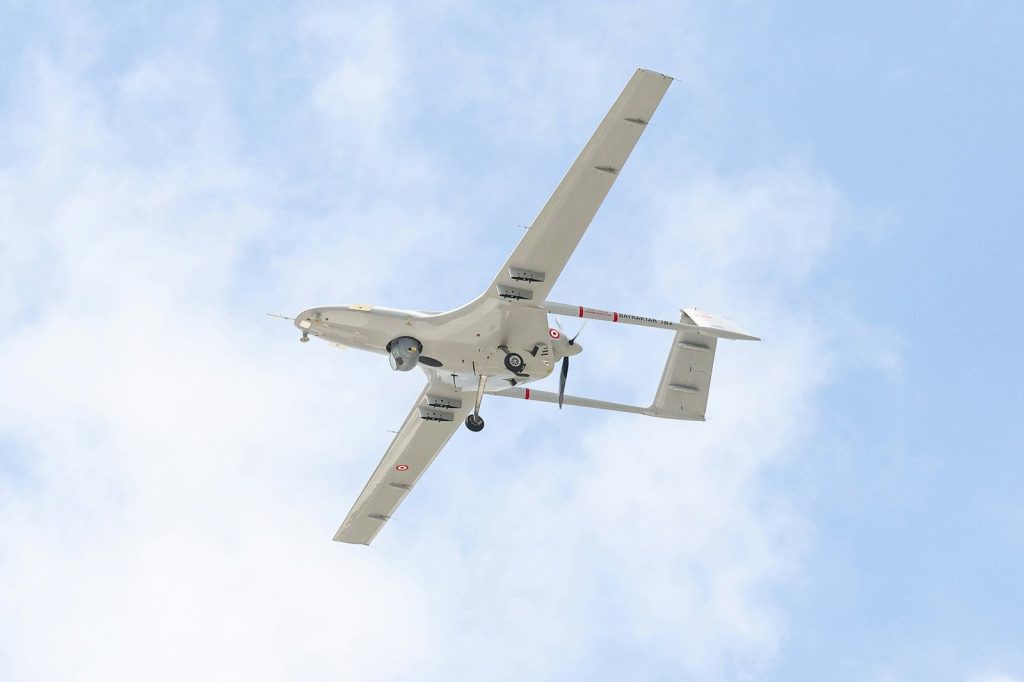
For the strikes in October 2023, Ukrainian forces likely fused multiple intelligence sources to locate 21 ships. The record shows they used satellite imagery, aerial reconnaissance from Turkish-made Bayraktar TB2 drones, and signals intelligence to build a comprehensive picture of Russian naval dispositions.
The primary weapon for those strikes was the naval drone, though the United States has also supplied Ukraine with Harpoon anti-ship missiles.
Strict Protocols, Real Results
The intelligence-sharing pipeline operates under strict protocols designed to avoid direct NATO involvement in targeting decisions. According to the source material, these guardrails ensure alliance members provide data but do not select or approve specific targets. Ukrainian commanders retain full authority over strike planning and execution.
This arrangement has been crucial to Ukraine’s ability to conduct precision strikes against Russian naval assets. The intelligence cooperation has been a key factor in Ukraine’s success in the Black Sea, the source material confirmed.
Without the satellite imagery and signals intelligence provided by NATO members, Ukrainian forces would lack the real-time awareness needed to track moving naval targets and strike them effectively. The October 2023 operation demonstrated the effectiveness of this model. Ukrainian forces used the fused intelligence to identify and strike 21 ships, according to the source material.
The naval drone, not the Harpoon missile, served as the primary weapon for these attacks.
Strategic Implications for the Black Sea
The intelligence-sharing arrangement has fundamentally altered the balance of power in the Black Sea. Russia’s navy, once dominant in the region, has been forced to operate under constant threat of precision strikes. Ukrainian forces have used the intelligence to target Russian ships in port, at sea, and in transit through the narrow approaches to the Black Sea.
The commercial satellite imagery from Maxar Technologies provides high-resolution visual intelligence that can identify ship types, locations, and movements. Government systems from the U.S. National Reconnaissance Office add a layer of signals intelligence and other classified capabilities that commercial providers cannot match.
Together, these sources give Ukrainian commanders a near-real-time picture of Russian naval activity. The Turkish-made Bayraktar TB2 drones have provided aerial reconnaissance that complements satellite coverage. These drones can loiter over areas of interest, providing persistent surveillance that satellites cannot match due to orbital mechanics.
The signals intelligence component allows Ukrainian forces to intercept Russian communications and electronic emissions, further refining their targeting.
Governing the Intelligence Pipeline
The protocols governing intelligence sharing reflect careful legal and political considerations. NATO members have sought to support Ukraine without crossing the line into direct participation in hostilities. The strict separation between intelligence provision and targeting decisions maintains this distinction, according to the source material.
The source material confirmed that the intelligence-sharing pipeline is governed by these strict protocols. The United States and United Kingdom, as the primary providers, have established procedures to ensure compliance with international law and alliance policies.
Ukrainian forces receive the intelligence but make their own targeting decisions, preserving Ukrainian sovereignty over military operations. This model has proven effective in practice. Ukrainian forces have used the intelligence to conduct strikes that would be impossible without external support, while NATO members maintain plausible deniability about direct involvement in targeting.
The arrangement has weathered diplomatic scrutiny and continues to operate, according to the source material.
Looking Ahead
The intelligence cooperation between NATO members and Ukraine shows no signs of diminishing. As the war continues, the demand for real-time surveillance data will likely increase, particularly as Russian forces adapt their tactics to counter Ukrainian strikes. The Black Sea campaign has demonstrated the value of intelligence sharing in modern warfare, where information superiority can compensate for material disadvantages.
The United States and United Kingdom have committed to maintaining the intelligence pipeline, the source material confirmed. The commercial satellite imagery from Maxar Technologies and government systems from the National Reconnaissance Office will continue to flow to Ukrainian forces, supporting their ability to track Russian naval movements and identify targets.
The October 2023 strikes against 21 ships stand as a demonstration of what this intelligence cooperation can achieve. Ukrainian forces used satellite imagery, aerial reconnaissance, and signals intelligence to locate their targets, then struck with naval drones and Harpoon missiles. The success of these operations has validated the intelligence-sharing model and strengthened the case for continued cooperation.
For Russia, the implications are clear: its naval forces in the Black Sea face persistent surveillance and the threat of precision strikes. The intelligence cooperation between NATO and Ukraine has turned the Black Sea into a contested environment where Russian ships cannot operate with impunity.
This reality will shape Russian naval strategy for the foreseeable future, as Moscow must account for the possibility that any ship movement will be detected and targeted.




