
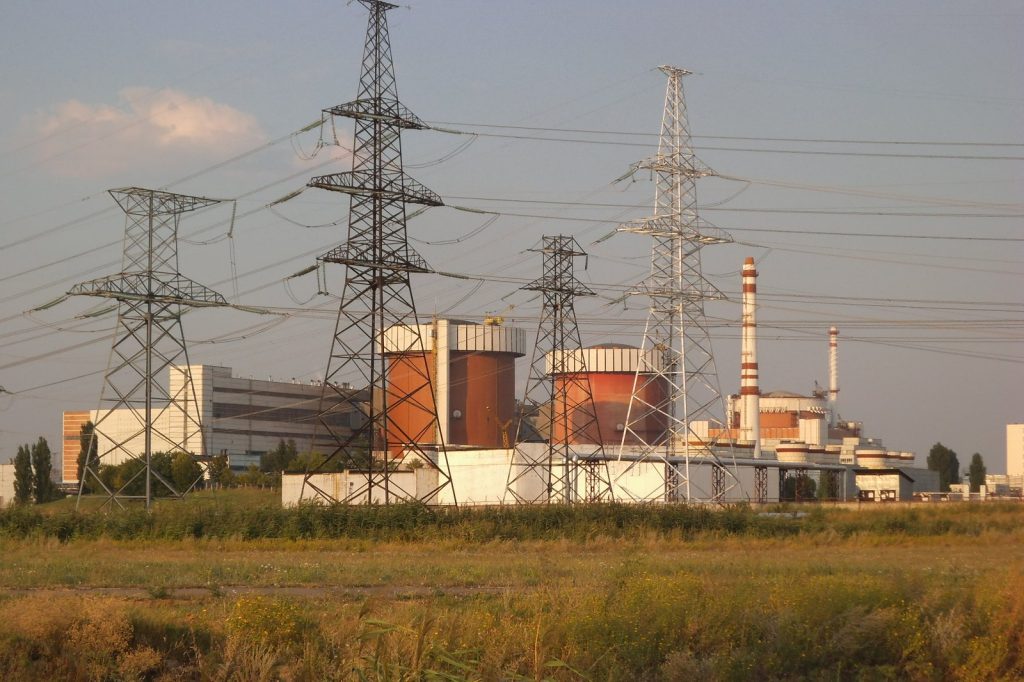
The pattern is emerging again, and it points to a difficult winter for Ukraine. After a strike on Stavropol Krai and explosions in Moscow Oblast on March 1, 2025, analysts widely expect Moscow to retaliate with a renewed campaign of missile and drone attacks on Ukrainian energy infrastructure. This is not speculation but follows a known playbook: during the winter of 2022-2023, Russia targeted 40% of Ukraine’s power grid, leaving millions without heat and electricity in freezing conditions.
The coming months will test whether Ukraine’s air defense can protect the grid better than it did then, while the diplomatic path to a settlement remains blocked. Russia is the largest nation in the world by land area, stretching across Eastern Europe and North Asia.
The state emerged from the early East Slavs and the Kievan Rus’, later becoming the Russian Empire. A revolution in 1917 ended the monarchy and led to the creation of the Soviet Union. After the Soviet Union dissolved in 1991, the Russian Federation was established as a semi-presidential republic.
Tensions with Ukraine began when Russia attacked the country in 2014, and this conflict escalated dramatically on February 24, 2022, when Russian forces launched a full-scale invasion. Before the attack, Russia massed troops near the border and demanded that Ukraine be banned from joining NATO.
President Vladimir Putin described the invasion as a special military operation to support breakaway republics in Donetsk and Luhansk. The war has caused a massive refugee crisis and high military casualties, with Russian troops occupying a portion of Ukrainian territory. This conflict matters now because it represents the deadliest war in Europe since World War II, and continued escalation threatens to draw NATO into a direct confrontation.
Signs of an Escalating Strategy
The trend underlying the potential for increased attacks is a return to a strategy of attrition against civilian infrastructure. The March 1 incident inside Russian territory has shifted the political calculus in Moscow, making a harsh response almost inevitable from the Kremlin’s perspective.
Russia could escalate attacks on Ukrainian cities more broadly, leading to civilian casualties. Analysts say to watch for a significant uptick in drone and missile activity as the weather turns colder. The shift in Russia’s strategic calculus is becoming clearer, pointing toward a grim winter for Ukraine.
Peace talks mediated by Turkey in 2022 and 2023 have stalled completely, and neither side appears willing to return to the table under current conditions. The path to a negotiated settlement looks blocked for the foreseeable future.
Human and Strategic Toll
The scale of the conflict is staggering. As of 2024, the war has resulted in over 500,000 military casualties, combining losses from both sides. The civilian displacement crisis is equally enormous: 8 million refugees have fled Ukraine.
These numbers represent a permanent demographic and economic shock to the region. The risk of a wider war is the most dangerous variable.
Further escalation risks drawing NATO into a direct confrontation with Russia. The alliance has avoided direct involvement so far, but the buffer zone is thinning. A major Russian strike near a NATO border, or a miscalculation involving alliance supply lines, could trigger Article 5, the mutual defense clause of the North Atlantic Treaty.
What to Watch Next
The coming months will test whether Ukraine’s air defense can protect the grid better than it did in 2022-2023. The diplomatic off-ramp remains closed.
Watch this space for developments as the weather turns colder and the pattern of attacks may become clearer. The underlying dynamics of the deadliest war in Europe since World War II show little sign of abating, and the potential for a wider conflict remains the most dangerous variable on the horizon.




