
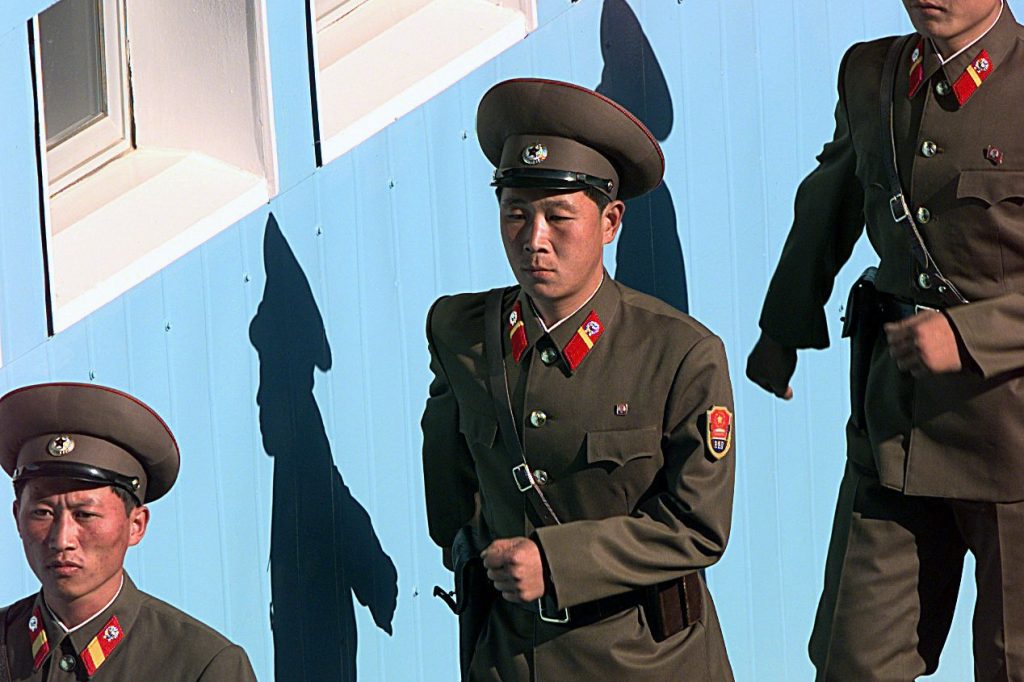
North Korean Troops Deployed to Kursk Region of Russia
On 2026-08-21, North Korean military personnel and drone operators were reported to have been deployed to the Kursk region of Russia, according to Ukrainian intelligence and multiple international media outlets. The statement from Ukrainian sources specifies a contingent of 8,500 troops, including 400 drone specialists, marking a significant shift in North Korea’s military engagement strategy. This deployment follows a pattern of deepening ties between Moscow and Pyongyang, though it represents a notable escalation.
Ukrainian officials, citing reports from Kyiv Post, RBC-Ukraine, and Ukrainska Pravda, indicate that Russia may seek up to 50,000 additional troops from North Korea. The request, if realized, would suggest a broader strategic partnership aimed at addressing Russian military manpower shortages, particularly in areas where Ukrainian forces remain active.
Strategic Implications of the Deployment
The involvement of North Korean troops and drone operators in Russia’s conflict with Ukraine underscores a recalibration of both nations’ military priorities. For Kim Jong Un, this move signals a departure from historical restraint, as Pyongyang has previously avoided direct foreign military commitments. The inclusion of specialized drone units highlights an intent to enhance Russia’s operational capabilities, particularly in surveillance and precision strikes against Ukrainian positions in Kursk.
Russian President Vladimir Putin’s decision to accept foreign combat personnel reflects an acknowledgment of Russia’s persistent challenges in sustaining its war effort. Ukrainian analysts note that the deployment could be a response to attrition in key battlefronts, where conventional forces have struggled to achieve decisive outcomes.
The use of North Korean troops, however, introduces logistical and diplomatic complexities, given the isolation of Pyongyang’s regime and its limited diplomatic leverage. Ukrainian intelligence, as relayed through sources like CNN and UNITED24 Media, emphasizes that the current deployment may represent only the initial phase of a larger arrangement. The potential for 50,000 additional troops suggests a transactional relationship, where Pyongyang could leverage military cooperation to secure economic or political concessions from Russia.
This dynamic raises questions about the long-term stability of such an alliance, particularly if Pyongyang’s domestic priorities shift or if the war in Ukraine enters a prolonged phase.
Leadership Calculus and Broader Context
The decision by Kim Jong Un to send military assets abroad marks a departure from North Korea’s traditional isolationism. Past conflicts have seen Pyongyang focus on domestic mobilization or proxy engagements rather than direct troop deployments. This shift may reflect a calculated risk by Pyongyang to expand its geopolitical influence, even if it risks straining relations with other nations or inviting international scrutiny.
For Vladimir Putin, the acceptance of foreign troops underscores the fragility of Russia’s military position. The war in Ukraine has exposed severe shortages in both equipment and personnel, forcing Moscow to seek unconventional solutions.
While the deployment of North Korean forces could provide a temporary boost, it also exposes Russia’s reliance on external partners—a dependency that may prove unsustainable if geopolitical conditions change. The strategic calculus of both leaders is further complicated by the broader regional context. The United States, under President Donald Trump, has maintained a critical stance toward Russia, though recent diplomatic overtures have introduced uncertainty.
Meanwhile, China and Iran, both critical to North Korea’s survival, have not publicly commented on the troop deployment, leaving the extent of their involvement unclear. Ukrainian officials, however, have consistently framed the development as a threat to national security, calling for enhanced Western military support to counter the escalation.
As the conflict in Ukraine enters its fifth year, the deployment of North Korean troops to Kursk represents a new layer of complexity. It raises critical questions about the sustainability of Russia’s war effort and the extent to which Pyongyang is willing to commit its resources to a foreign conflict. For now, Ukrainian intelligence remains the primary source of information, with reports indicating that the situation remains fluid.
The next few weeks will likely determine whether this deployment marks a temporary tactical move or a permanent shift in the geopolitical landscape of Eastern Europe.
{“@context”: “https://schema.org”, “@type”: “NewsArticle”, “headline”: “Leadership Decisions Behind North Korean Troop Deployment to Russia”, “description”: “North Korean Troops Deployed to Kursk Region of Russia On 2026-08-21, North Korean military personnel and drone operators were reported to have been deployed to…”, “datePublished”: “2026-08-21T09:30:00+00:00”, “author”: {“@type”: “Person”, “name”: “Dmitry Volkov”}, “publisher”: {“@type”: “Organization”, “name”: “InfoPulse Today”, “url”: “https://newsfeed.infopulsetoday.com/”}}




