
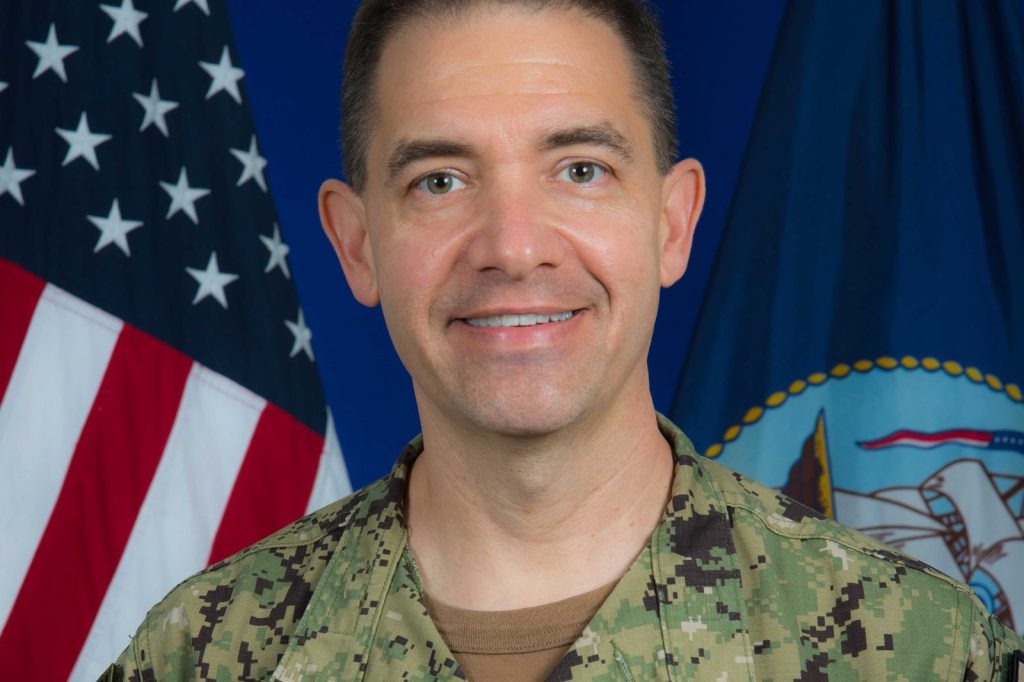
MANAMA, July 7 — Vice Admiral Brad Cooper, commander of the U.S. Fifth Fleet, has emerged as a central figure in America’s military posture across the Middle East. Based in Bahrain since February 2024, Cooper commands the Navy’s principal maritime force in the region at a moment of heightened tension with Iran. Cooper is a naval aviator by background.
Before taking the Fifth Fleet helm, he commanded the USS Nimitz Carrier Strike Group and served as deputy commander of U.S. Naval Forces Central Command. That operational pedigree matters now: he oversaw the response to the April 1, 2025 attacks, ordering additional destroyers and aircraft to protect shipping in the wake of that escalation.
Strategically, Cooper’s command includes the International Maritime Security Construct (IMSC), a coalition formed in 2019 to patrol critical chokepoints. He has publicly stated that the U.S. will “not tolerate” Iranian aggression. The calculus behind that stance is rooted in freedom of navigation in the Strait of Hormuz, a waterway through which a significant portion of the world’s oil trade passes.
The broader stakes for Cooper’s command extend beyond the Persian Gulf. His experience includes operations in the Arabian Sea and the South China Sea, giving him a global perspective on the challenges facing U.S. naval forces.
That background informs his current crisis management. Cooper’s leadership is central to the U.S. military response in the current crisis. His emphasis on protecting commercial shipping and maintaining open sea lanes signals a firm U.S. commitment to regional stability.
What this signals to Tehran is that Washington views the naval dimension of the confrontation as non-negotiable. Watch for whether Cooper’s command requests additional assets in the coming weeks. The IMSC coalition’s ability to hold together under pressure will be a key indicator of broader alliance cohesion.




