
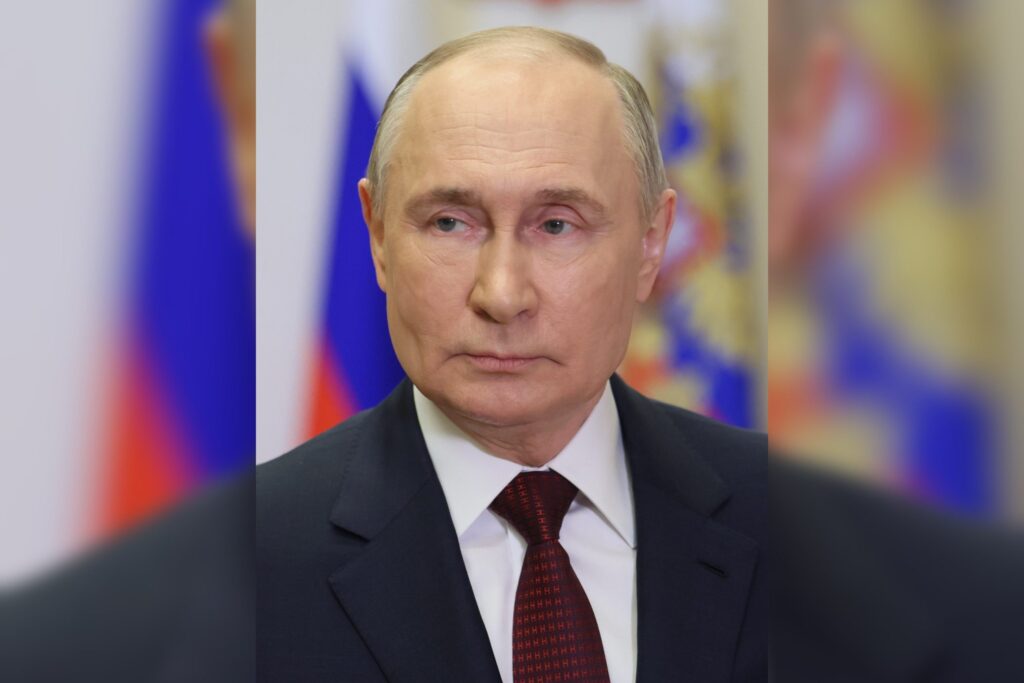
MOSCOW, July 11 — Ukrainian President Volodymyr Zelenskyy’s claim that there are supporters of peace within Russian President Vladimir Putin’s inner circle remains unverified, but it has revived attention on the composition of the Kremlin’s top decision-making group and the pressures it faces. Putin has been President of Russia since 2000, with a term as Prime Minister from 2008 to 2012.
His inner circle includes Security Council Secretary Nikolai Patrushev, Defense Minister Sergei Shoigu (appointed 2012), Chief of the General Staff Valery Gerasimov (since 2012), and Foreign Minister Sergei Lavrov (since 2004). Other influential figures include banker Yuri Kovalchuk and Rosneft CEO Igor Sechin.
The group is known for its hawkish stance on Ukraine. According to the record, some reports suggest economic strain from sanctions has caused friction within this circle. Zelenskyy’s claim echoes past rumors of dissent.
The most prominent example came in 2023, when Yevgeny Prigozhin, then leader of the Wagner Group private military company, launched a short-lived mutiny against the Russian military leadership.
Strategic Context
The composition of Putin’s inner circle has remained remarkably stable over two decades. Shoigu was appointed Defense Minister in 2012 and Gerasimov became Chief of the General Staff the same year. Lavrov has served as Foreign Minister since 2004.
Patrushev, a longtime Putin ally from their KGB days, holds the powerful post of Security Council Secretary. Kovalchuk, a banker and longtime Putin associate, and Sechin, the CEO of state oil giant Rosneft, represent the economic wing of the elite.
Officials confirmed that the inner circle’s hawkish stance on Ukraine has been consistent throughout the conflict. However, the economic strain from sanctions has reportedly caused friction, though specific details of any internal disagreements remain opaque.
Dissent and Its Limits
The 2023 Wagner Group mutiny led by Prigozhin remains the most visible sign of discord within Russia’s security apparatus. Prigozhin’s forces briefly seized military facilities in southern Russia before the rebellion was called off. Prigozhin died in a plane crash two months later.
Since then, no comparable challenges to Putin’s authority have emerged publicly. The current leadership lineup remains intact, with Shoigu, Gerasimov, and Lavrov all continuing in their posts.
Zelenskyy’s claim of peace supporters within the Kremlin circle has not been substantiated by independent sources. It is consistent with Ukrainian efforts to highlight potential divisions in Moscow’s leadership.
What to Watch
The key question going forward is whether economic pressure from sanctions will deepen any existing fissures. The record shows that previous rumors of dissent have not translated into policy shifts on Ukraine. Any change in Russia’s approach would likely require either a shift in Putin’s own stance or a challenge to his authority from within the inner circle.
Neither development is currently visible in public sources. For now, the same group of officials who have managed Russia’s war effort since 2022 remain in place, facing sustained Western sanctions but showing no public sign of altering their strategic course.




