
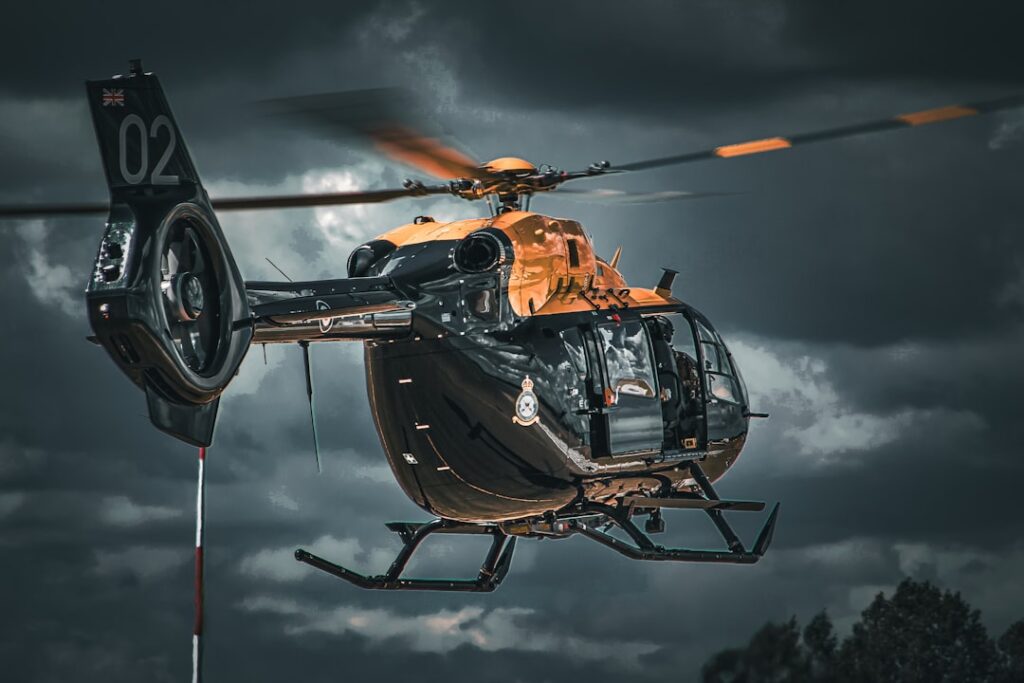
On 22 December 2024, an Airbus EC‑135 ambulance helicopter crashed beside a hospital in the Turkish province of Muğla, killing all four occupants – the pilot, a co‑pilot, a paramedic and a patient. The aircraft was conducting a routine medical‑transport mission, a type of flight that occurs thousands of times daily worldwide, when it struck the ground and ignited. The EC‑135, a twin‑engine light utility helicopter, first took to the skies in February 1994 as a development of the Messerschmitt‑Bölkow‑Blohm Bo 108 prototype.
It entered commercial service in 1996 and, to date, more than 1,400 units have been delivered to roughly 300 operators in 60 nations. Approximately half of these helicopters are employed for emergency medical services, the very role the Muğla aircraft was fulfilling.
Renowned for its reliability, the EC‑135 is equipped with a digital automatic flight‑control system and is certified for instrument‑flight rules, allowing it to operate without visual reference to the ground. The model has accumulated around five million flight hours across its fleet, a record that underscores its extensive use in corporate transport, law‑enforcement duties, military training and, most prominently, air‑ambulance work. Despite this strong safety pedigree, the Muğla crash resulted in a fiery impact that destroyed the airframe and left no survivors.
Investigators have opened a formal inquiry, focusing on the usual lines of inquiry: possible human error, mechanical malfunction, or unforeseen external factors. At this stage, no definitive cause has been released.
The incident highlights the inherent hazards of air‑medical operations. Helicopters in this role frequently land on roads, open fields, or hospital rooftops, often flying at low altitude in rapidly changing weather conditions. Crews are aware of the risks, yet the urgency of transporting patients in critical condition compels them to accept those dangers.
Turkey’s rugged terrain and variable climate have contributed to a history of helicopter accidents, and the proximity of this crash to a medical facility adds a stark poignancy. The aircraft was moments away from delivering care when it succumbed to the unknown failure.
While the EC‑135, now marketed as the Airbus H‑135, has been in service for nearly three decades and has participated in numerous rescue missions, wars and routine transfers, each accident adds to a body of data that can drive improvements in maintenance practices, pilot training and operational procedures. The wreckage will be examined, flight‑data recorders retrieved, and any eyewitness accounts collected as part of the ongoing investigation. Although the four individuals aboard the helicopter have been lost, the broader fleet continues to operate globally, with the majority of flights concluding safely.
The Muğla tragedy serves as a sobering reminder that even the most proven aircraft are not immune to failure, and that the dedication of air‑ambulance crews comes with a perpetual risk.




