
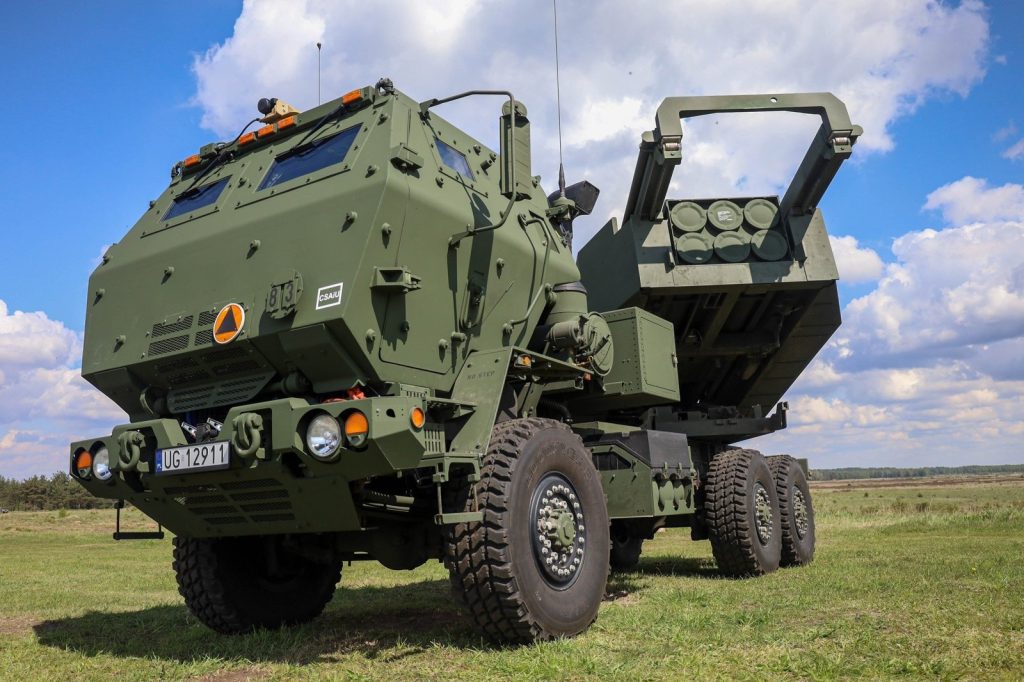
KYIV, July 15 — Against the backdrop of a war that has reshaped European security, the military aid flowing into Ukraine remains the single most tangible expression of Western resolve. Since February 2022, the arithmetic of this support has been staggering in its scale, though the precise numbers are subject to the shifting politics of donor nations. The United States has provided over $44 billion in military aid since the full-scale invasion began.
This has included HIMARS rocket systems; M1 Abrams tanks, delivered in 2023; Patriot air defense systems; and F-16 fighter jets, approved in 2023, with deliveries beginning in 2024. Each system has arrived in phases, often after protracted debate in Washington.
The European contribution
The European Union has committed €28 billion in military aid through the European Peace Facility. This figure places the EU as a significant, though still secondary, donor compared to the United States. Germany has supplied Leopard 2 tanks.
Germany has also provided IRIS-T air defense systems. The United Kingdom has contributed Storm Shadow cruise missiles and Challenger 2 tanks.
What the aid has achieved
This materiel has enabled Ukraine to conduct significant counteroffensives. The Kharkiv offensive in September 2022 saw Ukrainian forces recapture thousands of square kilometres of territory in the northeast. The liberation of Kherson in November 2022 followed, with Russian forces withdrawing from the only regional capital they had captured since the invasion began.
Yet aid packages are not automatic. They are subject to political approval in donor countries, a reality that has become increasingly visible as the war enters its fifth year.
The coming months will test whether this coalition of donors can maintain its unity.




