
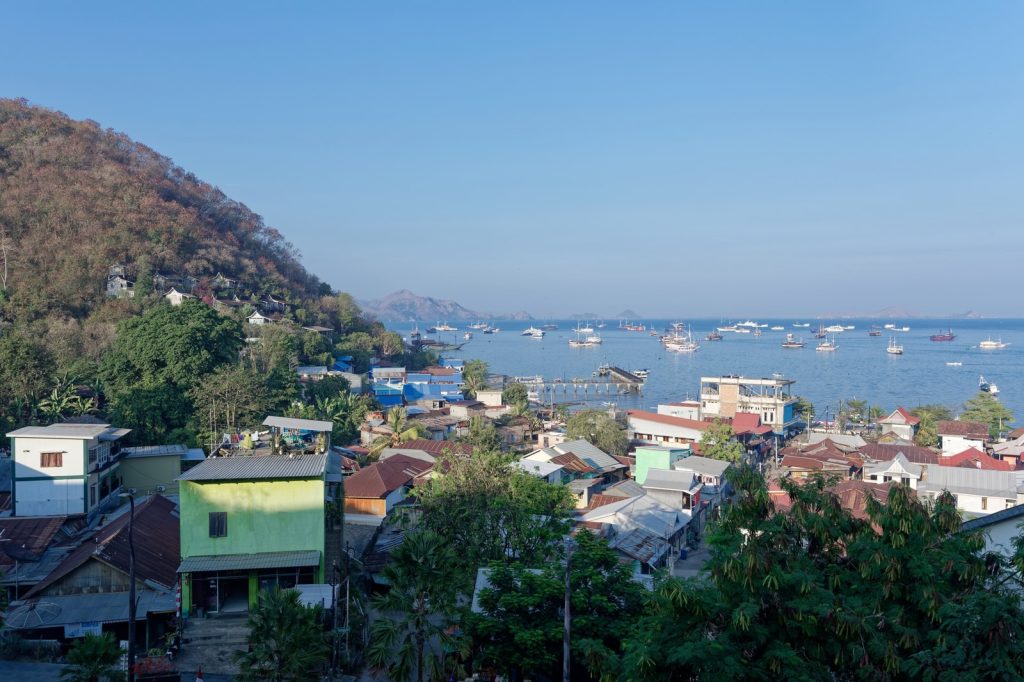
On April 19, 2024, plastic waste smothered the beaches of Labuan, Indonesia. The timing was ironic — it coincided with global Earth Day celebrations. Cleanup crews had been working.
The sand still disappeared under imported trash. This is not a local problem.
It is a regional mechanism. Southeast Asia takes in roughly 17 percent of the world’s plastic waste imports. The region holds less than 9 percent of the global population.
Those numbers do not match by accident. The waste arrives through complex supply chains.
Much of it is labeled as raw material for recycling. That classification lets it bypass international regulations. Ships dock at ports in Indonesia, Vietnam, and Thailand.
The cargo moves into informal markets. Sorting facilities there are already overwhelmed. They cannot handle the volume.
Non-recyclable materials pile up in landfills. Or they wash into the ocean.
This is the mechanics of waste trafficking. Wealthy nations ship their trash to developing economies. Illicit networks move it.
The cycle concentrates pollution in coastal communities like Labuan. Local infrastructure cannot absorb it.
Public health suffers. The ASEAN region did not ask for this burden. It simply became the destination.
The supply chains are sophisticated. They exploit gaps in enforcement. They operate across borders.
And they keep running. Community leaders in Labuan say the incoming cargo exceeds what local systems can process.
That backlog is not temporary. It is structural. Each shipment adds to the heap.
Cleanup efforts remove some. More arrives.
The beaches remain covered. What this means is a slow-motion environmental crisis. The beaches of Labuan are a visible symptom.
The real problem is the pipeline. It runs from rich countries to poor ones. It bypasses laws.
It overloads local capacity. And it shows no sign of stopping.
The imbalance is stark. Less than 9 percent of the world lives in Southeast Asia. The region handles 17 percent of the world’s plastic waste imports.
That is nearly double its share of population. Those numbers tell a story of unequal trade.
Of waste dumped where it costs less to dump it. Of environmental damage outsourced to the global south. Labuan’s residents see it every day.
The pristine sands they remember are gone. Plastic heaps replace them. The cleanup crews work.
The trash keeps coming. That is the reality on the ground.
This is not a recycling problem. It is a trafficking problem. The waste is not being processed.
It is being dumped. The system is designed to move trash, not to recycle it.
The result is predictable. Landfills overflow. Oceans fill with plastic.
Coastal communities bear the cost. The pattern will continue unless enforcement changes. Ports need to inspect what arrives.
Regulations need to close the loopholes that let waste travel as raw material. Wealthy nations need to handle their own trash.
None of that is happening now. Labuan is a warning. It shows what happens when the pipeline has no end.
The trash arrives. It stays.
The beaches disappear under it. And the world celebrates Earth Day.




