
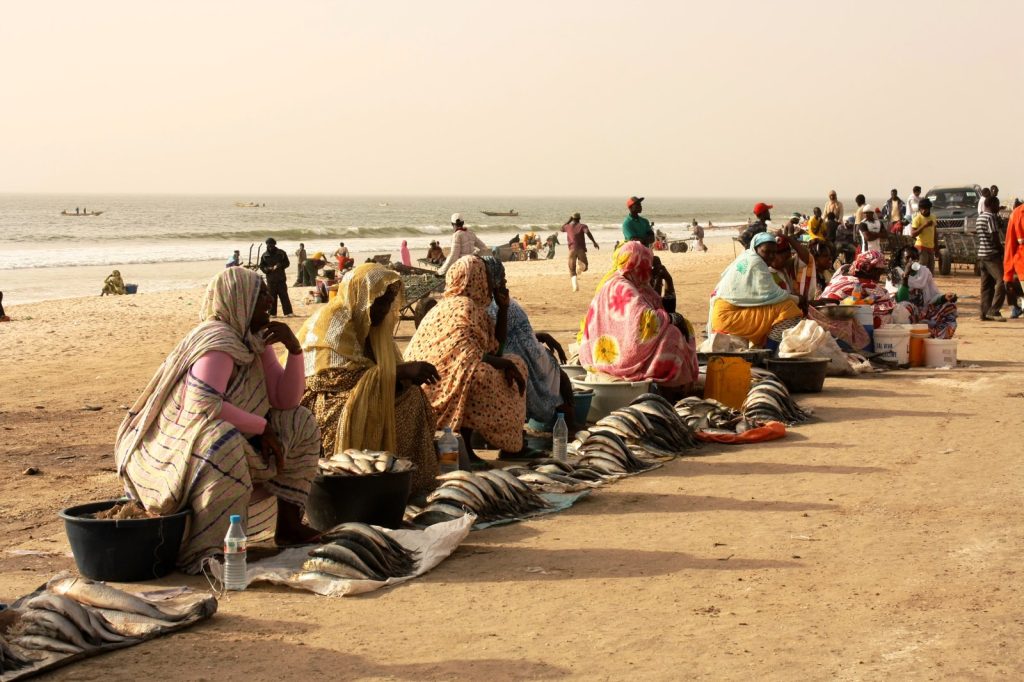
A devastating maritime disaster has struck off the coast of Mauritania, resulting in the deaths of at least 89 people, with dozens more reported missing. The tragedy occurred when a boat carrying migrants capsized in the Atlantic Ocean, highlighting the dangers faced by those attempting to make perilous journeys across the sea. As the search for survivors continues, concerns are being raised about the safety and wellbeing of migrants, as well as the environmental impact of such incidents on the marine ecosystem.
Located in Northwest Africa, Mauritania is a vast and sparsely populated country, with a significant portion of its territory covered by the Sahara desert. The capital city, Nouakchott, is situated on the Atlantic coast and is home to roughly a third of the country’s population of 4.3 million.
The city’s coastal location makes it an important hub for trade and commerce, but also poses significant environmental challenges, including the risk of marine pollution and the impact of human activity on the local ecosystem. As the country continues to develop and grow, it is essential that steps are taken to protect the environment and ensure the long-term sustainability of its natural resources. The incident has also drawn attention to the need for improved safety measures and regulations to prevent such tragedies from occurring in the future.
This, in turn, could help reduce the number of people attempting to make dangerous journeys across the sea, and instead provide them with opportunities for economic development and growth at home. As the people of Mauritania come to terms with the tragic loss of life, there is a growing recognition of the need for international cooperation and support to address the root causes of migration and promote sustainable development.
This includes providing assistance to migrants and refugees, as well as working to create economic opportunities and improve living standards in countries of origin. By working together, it is possible to create a more just and equitable world, where people are not forced to risk their lives in search of a better future. The incident off the coast of Mauritania is a stark reminder of the need for urgent action to address these challenges and promote a more sustainable and equitable world.
The environmental impact of the disaster is also a major concern, with the potential for oil and other pollutants to contaminate the marine ecosystem. The Atlantic Ocean is an important habitat for a wide range of marine species, and any damage to the ecosystem could have long-lasting and far-reaching consequences.
As such, it is essential that efforts are made to prevent further pollution and protect the marine environment. This includes implementing effective waste management systems, reducing the use of plastic and other non-biodegradable materials, and promoting sustainable fishing and tourism practices. By taking these steps, it is possible to mitigate the environmental impact of the disaster and promote a cleaner, healthier planet for future generations.
As the search for survivors continues and the people of Mauritania begin the process of recovery and rebuilding, there is a growing sense of determination and resolve. The incident has highlighted the need for urgent action to address the challenges facing the country and the wider region, from promoting sustainable development and reducing the risk of maritime disasters, to protecting the environment and promoting energy security.




