
A devastating bus crash in São Paulo, Brazil, has resulted in the loss of 12 lives and left 21 others injured, according to reports from the scene. The incident occurred on February 21, 2025, and has sent shockwaves through the community. As the people of São Paulo come to terms with this tragedy, attention is being focused on the safety of the state’s transportation infrastructure.
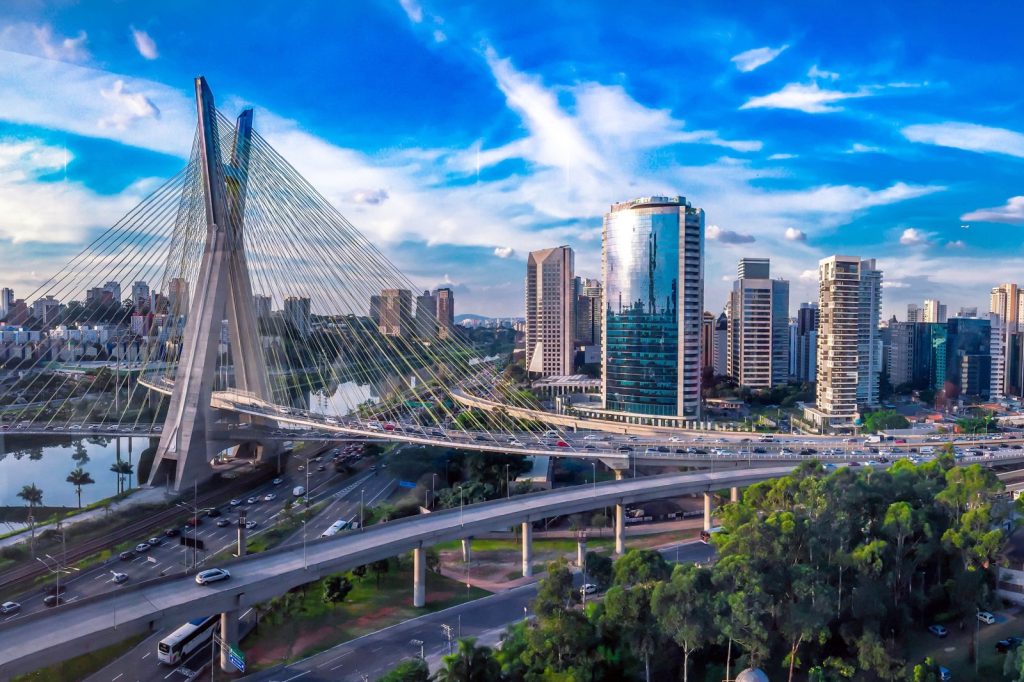
São Paulo, the most populous state in Brazil, is a bustling hub of activity, with over 40 million people calling it home. The state’s capital, also named São Paulo, is Brazil’s most populous city, and its streets are filled with the sounds of cars, buses, and trucks.
With a total area of 248,219.481 square kilometers, São Paulo is a vast and diverse region, comprising 645 municipalities. The state’s unique geography, bordered by the Atlantic Ocean to the southeast and surrounded by other states, makes it a complex and challenging environment to navigate. The bus crash has raised concerns about the safety of public transportation in São Paulo.
While the cause of the accident is still under investigation, it has highlighted the need for continued investment in the state’s transportation infrastructure. A safe and reliable public transportation system is essential for the well-being of the community, and it is imperative that the authorities take all necessary steps to prevent such tragedies from occurring in the future.
This includes ensuring that all vehicles are properly maintained, that drivers are well-trained and rested, and that roads are well-designed and maintained. As the community begins to heal and rebuild, attention is also being focused on the importance of protecting the environment. São Paulo, like many other regions around the world, is facing the challenges of pollution, waste management, and conservation.
The Brazilian government has been working to promote the use of renewable energy sources, such as wind and solar power, as a way to reduce the country’s reliance on fossil fuels and promote energy security. This approach has the potential to not only reduce the environmental impact of energy production but also to create jobs and stimulate local economies.
By investing in renewable energy, Brazil can reduce its energy costs, improve its energy independence, and promote sustainable development. As the people of São Paulo look to the future, it is clear that a commitment to environmental protection and sustainable development will be essential for building a brighter, more prosperous future. As the investigation into the bus crash continues, the community is coming together to support the families of the victims and the injured.
The people of São Paulo are known for their resilience and determination, and it is clear that they will emerge from this tragedy stronger and more united than ever. As they look to the future, they will be focused on building a safer, more sustainable, and more prosperous community, where everyone has access to clean air, clean water, and a healthy environment.




