
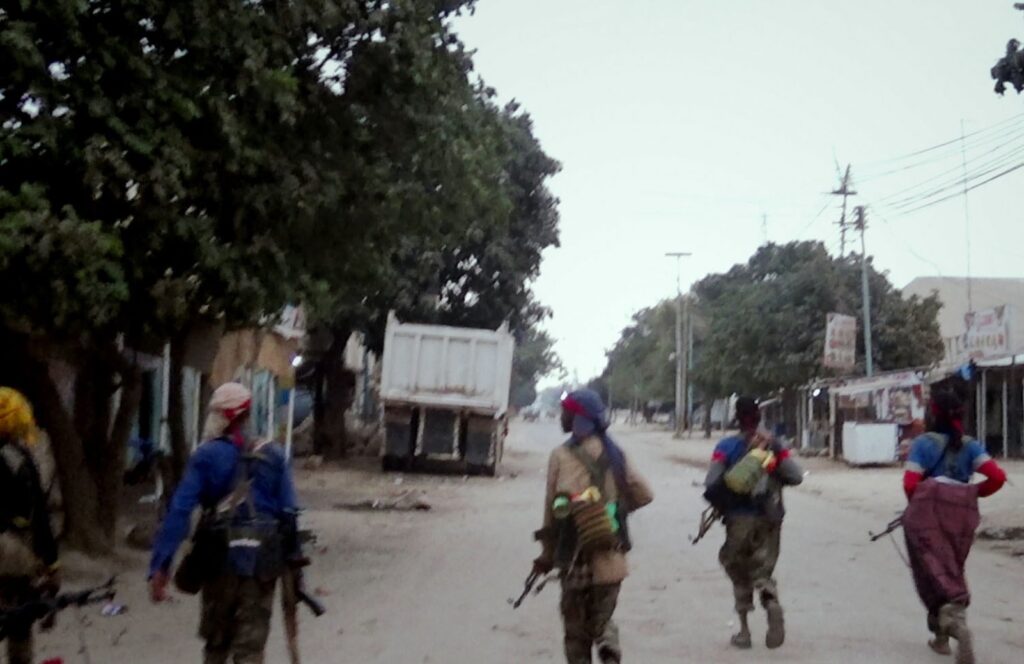
A devastating helicopter crash near Aden Adde airport in Mogadishu, Somalia’s capital, has resulted in the loss of at least five Ugandan soldiers, with several others injured. The military Mi-24 helicopter, part of the African Union peacekeeping mission, was carrying eight people and had been arriving from an airfield in the Lower Shabelle region of Somalia when the incident occurred on July 2, 2025. The crash is a sobering reminder of the risks and challenges faced by peacekeeping forces in Somalia.
As the African Union continues to work towards stabilizing the region, incidents like these highlight the need for vigilance and cooperation among international partners. The Ugandan soldiers on board were part of a broader effort to support Somali security forces and promote regional stability.
The cause of the crash is not yet known, and an investigation is likely to be launched to determine the circumstances surrounding the incident. The Lower Shabelle region, from where the helicopter was arriving, has been a focus of peacekeeping efforts in recent years. The region has seen significant progress in terms of security, with African Union forces working to drive out militant groups and support local communities.
However, the region still faces significant challenges, including the presence of armed groups and the need for ongoing humanitarian support. The crash is a setback for these efforts, but it is unlikely to deter the international community from continuing to work towards a more stable and secure Somalia.
As the international community responds to this incident, attention will also be focused on the environmental impact of military operations in Somalia. The use of helicopters and other military equipment can have significant environmental consequences, including noise pollution and the risk of oil spills. In a region already vulnerable to environmental stress, it is essential that peacekeeping forces prioritize sustainability and work to minimize their ecological footprint.
This includes investing in renewable energy sources, such as solar and wind power, which can help reduce reliance on fossil fuels and promote energy security.
Renewable Energy and Peacekeeping
The use of renewable energy sources is not only good for the environment, but it also makes sense from a cost perspective. Renewable energy can help reduce the cost of fueling military operations, which can be a significant expense. In addition, renewable energy can provide a more reliable source of power, reducing the risk of disruptions to critical systems.
As the international community continues to work towards a more stable and secure Somalia, investing in renewable energy can help promote energy security and support the long-term sustainability of peacekeeping efforts. Looking ahead, the incident highlights the need for ongoing investment in peacekeeping operations in Somalia.




