
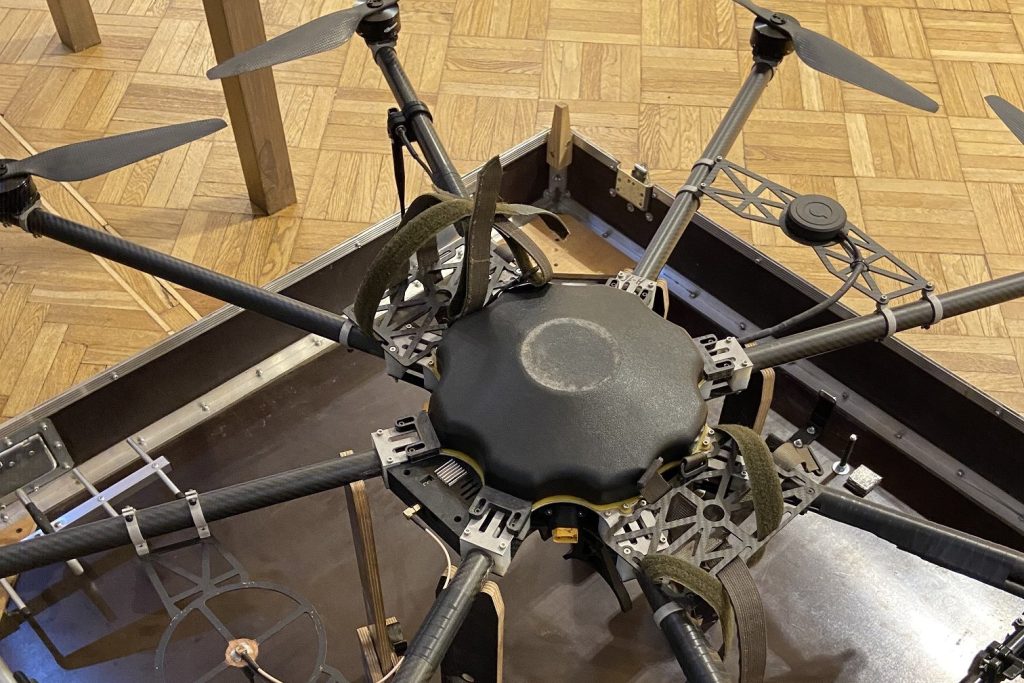
STAVROPOL, Russia, July 13 — Against the backdrop of a war now in its fifth year, the long reach of Ukraine’s drone campaign has once again touched Russian soil, this time setting an oil depot ablaze in the southern region of Stavropol Krai. The attack, which occurred on March 19, 2025, saw Ukrainian forces reportedly strike a fuel storage facility, sparking a large fire.
The Russian Ministry of Defense acknowledged that its air defense systems intercepted multiple drones over the region, but conceded that falling debris ignited the blaze at the depot. No casualties have been officially reported.
Stavropol Krai, a federal subject in southern Russia, lies approximately 1,500 kilometers from the Ukrainian border. The region hosts several oil and gas facilities, making it a strategic target in Kyiv’s ongoing campaign to disrupt Russian energy infrastructure. This campaign has intensified since the full-scale invasion began on February 24, 2022.
The wider picture reveals a methodical pattern. This strike follows previous Ukrainian long-range drone attacks on oil refineries and storage sites in Krasnodar Krai, Rostov Oblast, and Leningrad Oblast throughout 2024 and early 2025.
The goal, as understood in Western and Ukrainian strategic circles, is twofold: to reduce the fuel supplies available for Russian military operations and to exert economic pressure on the Kremlin. What is at stake is the logistical backbone of the Russian war effort. By targeting fuel depots and refineries deep inside Russian territory, Ukraine aims to complicate the supply lines that sustain the front-line offensive.
The strategy mirrors a broader campaign of asymmetric warfare, where drones have become a key instrument for striking far beyond the immediate battlefront. In the corridors of the United Nations, the human and material toll of the conflict has been well documented. Western estimates place military casualties on both sides at over 500,000, while millions of civilians have been displaced.
The UN has also documented widespread damage to civilian infrastructure, including energy grids, underscoring the conflict’s corrosive effect on everyday life across the region. Separately, explosions were reported in Moscow Oblast on the same day as the Stavropol strike, though details remain unconfirmed.
The lack of official confirmation from Russian authorities has left a shadow of uncertainty over the extent of the operation. Looking ahead, the trajectory of these long-range drone strikes is unlikely to abate. As Ukraine continues to develop its domestic drone production capabilities, the frequency and reach of such attacks are expected to grow.
For Russia, the challenge of defending a vast energy network against a persistent, low-cost aerial threat has become a strategic vulnerability. For the international community, the strikes represent another escalation in a war that shows no sign of resolution, with the energy infrastructure of both nations now firmly in the crosshairs.




