
MOSCOW, July 7 — Against the backdrop of the Omsk strike, Russian officials including President Vladimir Putin have promised to reinforce air defenses around critical infrastructure, signalling a new phase in the escalating drone war between Ukraine and Russia.
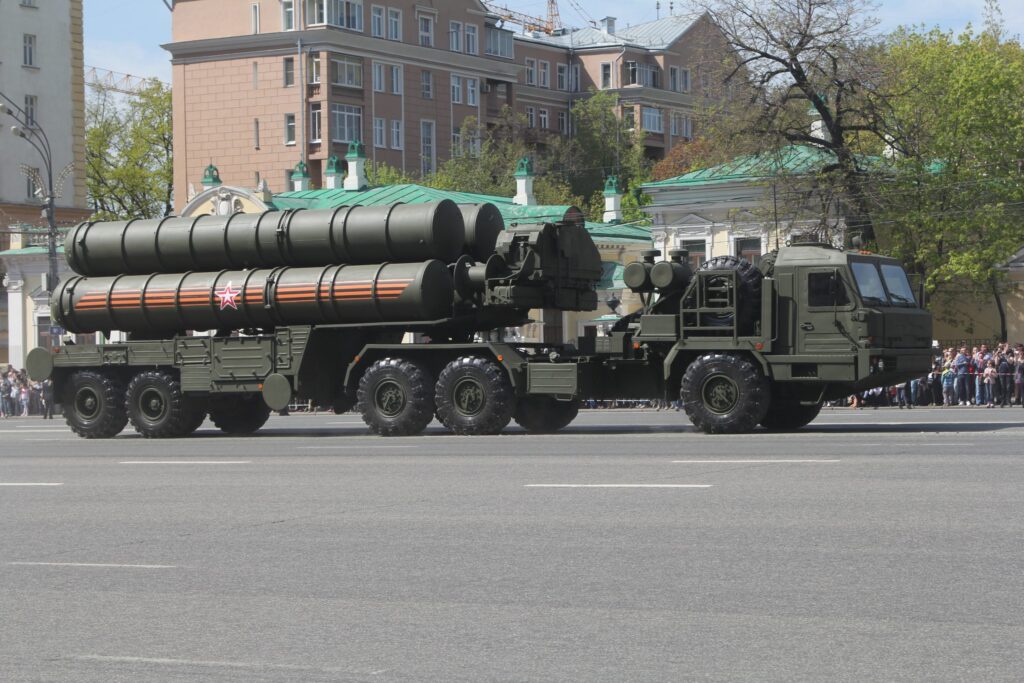
The Kremlin has deployed S-400 and Pantsir-S1 systems to protect refineries, yet the sheer vastness of Russian territory and the low-altitude flight paths used by drones continue to challenge detection. In response, Moscow has expanded its use of electronic warfare systems, including the Krasukha-4 and R-330Zh Zhitel, designed to jam drone communications and navigation.
What is at stake is the integrity of Russia’s energy and military logistics network. Ukraine, for its part, is pressing ahead with longer-range drone development. The Security Service of Ukraine, known as the SBU, has reportedly tested a model capable of reaching 3,000 kilometres — a range that would place targets deep inside Russia within striking distance.
The corridors of power in Kyiv appear to be weighing further strikes on Russian oil and gas infrastructure. Analysts at the Royal United Services Institute in London have identified potential targets including the Urengoy gas field and the Transneft pipeline network, both of which are central to Russia’s energy exports.
The wider picture, according to RUSI analysts, suggests that Ukraine’s drone campaign could escalate to target Russian strategic bomber bases. One such base, Engels-2, lies 600 kilometres from Ukrainian territory and was already struck in December 2022. That attack demonstrated that even well-defended strategic assets are not beyond reach.
Russia’s increased reliance on electronic warfare systems such as the Krasukha-4 and R-330Zh Zhitel reflects a tactical shift, but the fundamental challenge remains. The low-altitude flight paths of drones make them difficult to detect by traditional radar, and the sheer scale of Russian geography means that no defensive network can cover every approach.
The conflict may now see further attacks on Russian oil, gas, and military logistics hubs, as both sides adapt to a war of attrition conducted at long range. The Urengoy gas field and the Transneft pipeline network represent high-value targets that, if struck, could have significant economic and military consequences.
For now, the drone war continues to evolve, with each side seeking technological and tactical advantages. What began as a limited capability on Ukraine’s part has grown into a strategic tool capable of reaching targets thousands of kilometres from the front lines. Against this backdrop, the coming months will test whether Russia’s layered defenses can keep pace with Ukraine’s expanding reach.




