
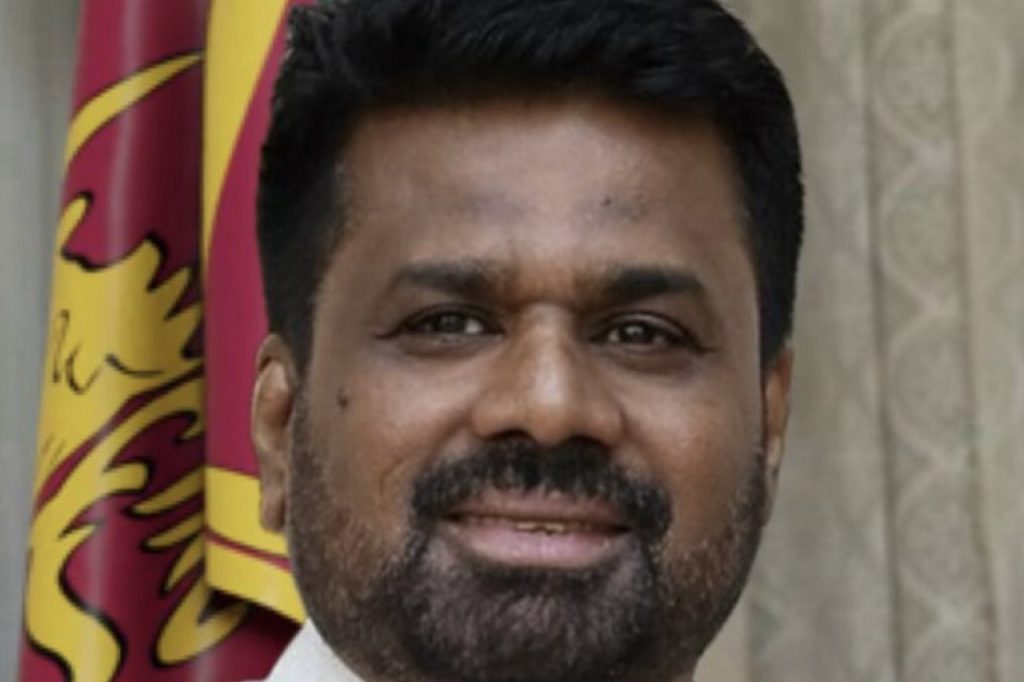
COLOMBO, September 5 — The story begins with a promise. When Sri Lankan President Anura Kumara Dissanayake campaigned for office, he pledged to bring peace to families of victims of enforced disappearances and extrajudicial killings from the civil war that ended 26 years ago. This week, Human Rights Watch reported that the prosecution of past grave abuses has been delayed, despite sharp criticism from victims’ families, many of whom have yet to receive proper closure.
At the heart of the current tension is an excavation in Chemmani, on the Jaffna peninsula, where investigators are searching for remains of the disappeared. The dig has been stalled by funding shortages and weather, and the slow pace has become a point of contention for citizens, deepening distrust toward the government.
The abuses span a brutal chapter of the country’s history. From 1987 to 1989, tens of thousands of people were murdered, abducted, and tortured during the civil war between the Sri Lankan government and the Liberation Tigers of Tamil Eelam (LTTE). Human Rights Watch notes that the abuses span over 100,000 deaths.
Government forces used torture, rape, extrajudicial killings, and enforced disappearances, while the LTTE has been linked to suicide bombings, summary executions, and the use of child soldiers. Since the war’s end, 10 different commissions have failed to obtain justice for those who suffered.
The Dissanayake government has not accepted the Sri Lanka Accountability Project, a mechanism that allows the Office of the UN High Commissioner for Human Rights to collect, consolidate, analyse and preserve information and evidence, and to develop possible strategies for future accountability processes for gross violations of human rights or serious violations of international humanitarian law. Nor has the president established the Directorate of Public Prosecution, despite promising to do so in order to eliminate delays caused by other governmental responsibilities.
The UN Human Rights Council, through the UN Secretary-General’s 2011 Panel of Experts report, has conducted several investigations revealing extensive war crimes and other abuses on both sides, few of which have resulted in accountability. The pressure is mounting. In August 2026, UN experts began calling for more government action after 20 years had passed since the execution of 17 humanitarian aid workers.
That call follows reports of torture and violence within the country’s prison system, resulting in 28 inmates’ deaths — an issue local advocacy groups such as the Committee to Protect the Rights of Prisoners say is recent but carries the same lack of government accountability that citizens have criticised in the past. What to watch next: whether the Chemmani excavation resumes and whether the president’s promised accountability institutions finally take shape.
For those involved — the families still waiting for answers — the question is whether this government will be the one that delivers what ten commissions could not.




