
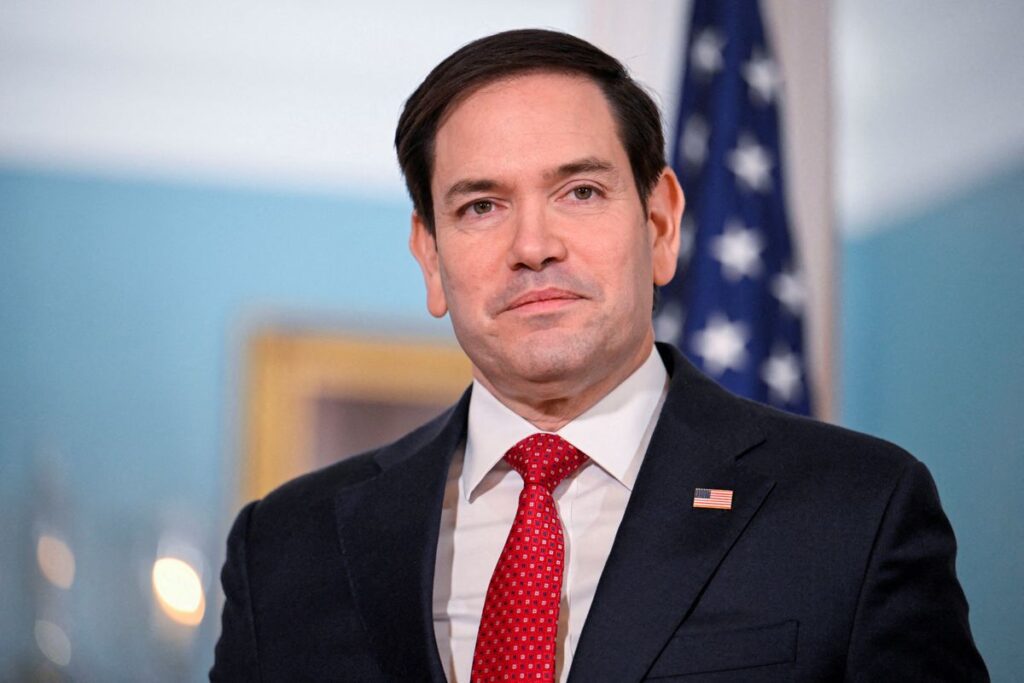
WASHINGTON, July 12 — Secretary of State Marco Rubio now holds direct authority to negotiate with representatives of Nicolás Maduro’s government, a power shift that pulls Venezuela policy from the White House into the State Department’s lane. A new executive order grants Rubio the ability to cut deals directly with Maduro’s envoys, a task previously managed by the administration’s top political leadership. The move signals a strategic recalibration.
Rubio, a Florida Republican confirmed on January 21, 2025, has been a vocal critic of the Maduro regime. He sponsored the Venezuela Defense of Human Rights and Civil Society Act of 2014, legislation aimed at sanctioning officials tied to human rights abuses.
That history gives him credibility with the Venezuelan opposition and a clear set of known red lines for any negotiation. Maduro has held power since 2013, succeeding Hugo Chávez. His 2018 re-election was disputed.
In January 2019, Juan Guaidó, then president of the National Assembly, declared himself interim president. The United States and more than 50 countries recognized Guaidó as Venezuela’s legitimate leader.
But Guaidó’s influence waned after the opposition lost control of the National Assembly in 2020, leaving the anti-Maduro movement without a clear institutional foothold.
The Players at the Table
Rubio’s counterpart across the negotiating table will likely include Vice President Delcy Rodríguez and Defense Minister Vladimir Padrino López, both loyalists in Maduro’s inner circle. On the opposition side, María Corina Machado won the 2023 opposition primary but was barred from running for president. Her exclusion effectively removed the most popular opposition figure from electoral contention, deepening the political stalemate.
The calculus for the administration appears straightforward: shifting negotiating authority to Rubio puts a known hawk in charge of talks, someone who has spent years pressing for regime change. But it also signals a willingness to engage directly with Maduro’s government, a step the administration had resisted during earlier rounds of sanctions and diplomatic isolation.
What This Signals
Strategically, the executive order gives Rubio room to test whether Maduro is serious about any concessions. The broader stakes include the ongoing humanitarian crisis in Venezuela, where millions have fled the country, and the geopolitical chessboard of Latin America, where Russia and China maintain influence through Maduro’s government. The move also reflects a recognition that the previous policy of maximum pressure and non-engagement had not dislodged Maduro.
Guaidó’s interim presidency, once the centerpiece of U.S. strategy, now exists largely as a symbol without institutional power. By putting Rubio in direct talks, the administration is effectively acknowledging that the opposition’s political momentum has stalled and that a negotiated exit — however difficult — may be the only viable path.
Rubio’s role as chief negotiator will be watched closely by regional allies. It will also be scrutinized by hardline Venezuela advocacy groups in Washington, who worry that talks could legitimize Maduro without securing real democratic reforms. The coming months will test whether Rubio’s long record of confronting the Maduro regime translates into leverage at the bargaining table — or whether the regime simply runs out the clock, as it has done with previous diplomatic initiatives.




