
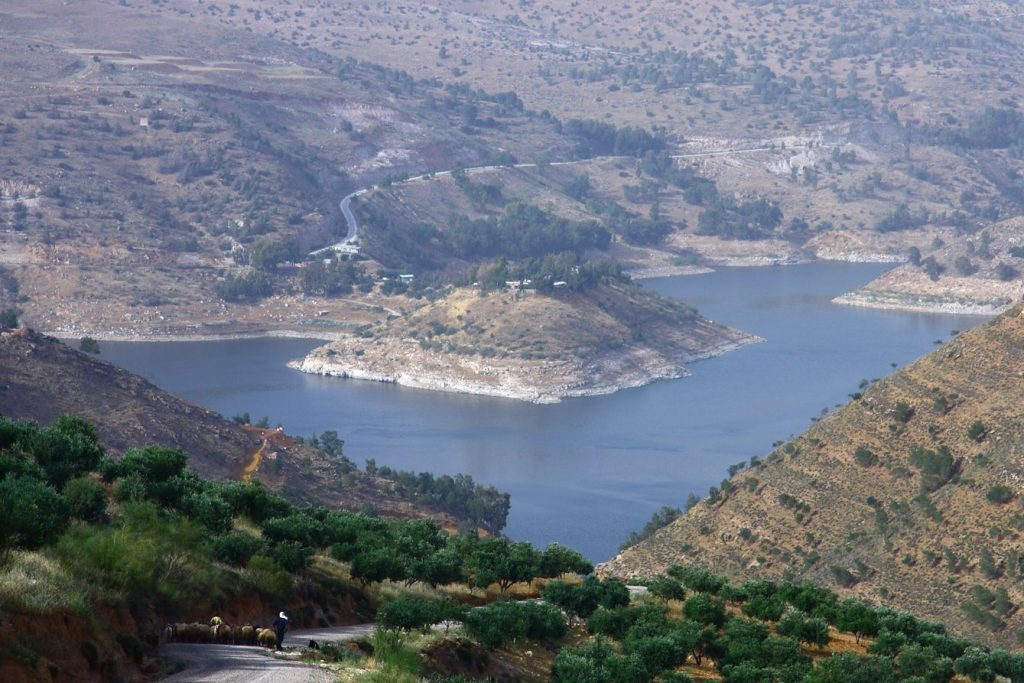
On December 13, 2023, a bus traveling in Balqa Governorate, northwest of Amman, slid down a mountain, resulting in five fatalities and 35 injuries. Authorities have emphasized that the vehicle did not crash but slid, a distinction that highlights the hazardous terrain of the region.
Balqa Governorate ranks 10th in area among Jordan’s 12 governorates but is the fourth most populous. This combination of dense population and mountainous geography—characterized by steep, winding roads—creates a persistent risk. A mechanical issue or a momentary loss of control on such terrain can quickly escalate into a mass casualty event.
The cause of the slide remains under investigation. Officials have not yet determined whether the incident was due to brake failure, driver error, or road conditions.
The investigation may not yield a single cause, as such accidents are rarely straightforward. This is not the first such tragedy in Balqa. The region’s geography makes it prone to both accidents and natural disasters.
Local authorities have been working to improve infrastructure and transportation systems, but these efforts remain incomplete. The report notes that “more needs to be done,” a statement that underscores the ongoing inadequacy of road safety, particularly on mountain routes used by buses carrying passengers through unforgiving terrain.
The accident also draws attention to a broader issue in Jordan. The government has invested significantly in renewable energy—solar and wind power—to reduce reliance on fossil fuels, improve energy security, and lower the economic burden of fuel imports. These investments have created jobs and diversified the economy. However, they do not address the immediate need for safer roads.
The report explicitly links these two priorities, stating that as Jordan develops its economy and infrastructure, safety must keep pace. The clean energy transition does not replace the necessity for better roads and faster emergency services.
On December 13, the people of Balqa Governorate began mourning. Five families have lost loved ones, and 35 others are recovering in hospitals or at home. The number of injured alone would strain local emergency services in a densely populated region.
The death toll serves as a stark measure of failure—whether of the vehicle, the road, or a system that allowed the bus to travel that route under those conditions. The investigation will eventually produce findings, possibly identifying a mechanical fault, a road design flaw, or driver error.
The report does not speculate on the outcome. Instead, it places the tragedy within a context of chronic risk. Balqa is not a remote wilderness; it is a populous governorate with a known hazard profile.
The mountains are beautiful but deadly, and the roads through them are used daily by thousands of people. The accident on December 13 was not inevitable, but it was predictable.
The question now is what changes will follow the slide. The report suggests the answer should be more than grief.




