
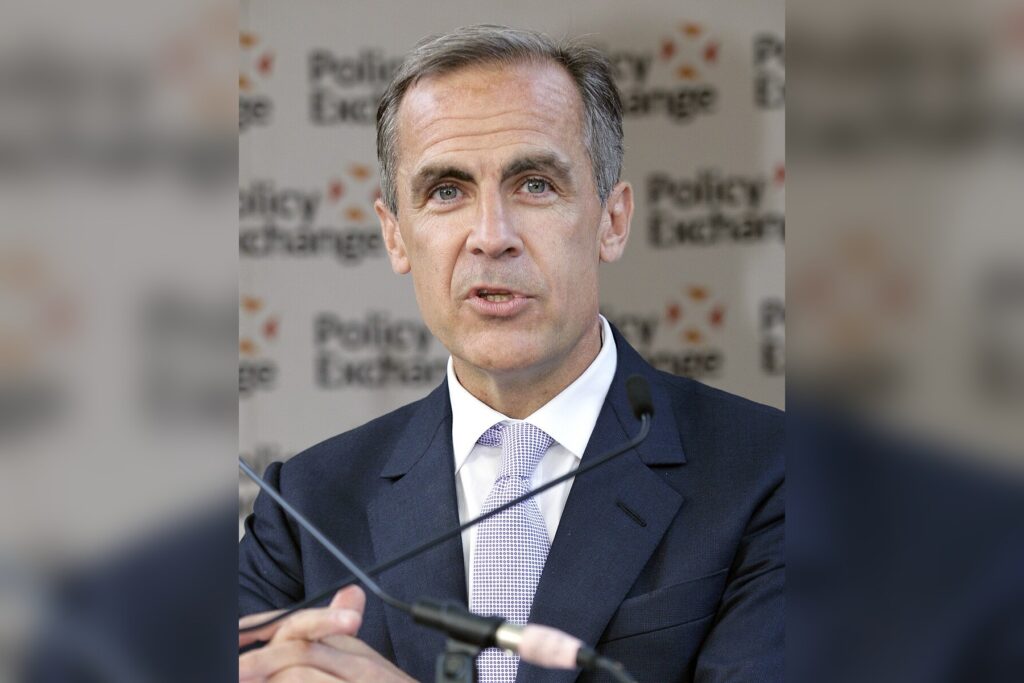
OTTAWA, July 16 — The man who now holds the keys to Canada’s most contentious border crossing spent his career inside the world’s most powerful central banks. Mark Carney, who became Prime Minister on November 4, 2024, succeeding Justin Trudeau, brings a distinctly financial lens to the Ambassador Bridge debt dispute — a crisis that has become the first major test of his young government. On the ground in Windsor, Ontario, residents describe a standoff that has dragged on for months.
The privately-owned Ambassador Bridge, the busiest commercial border crossing between Canada and the United States, is tangled in a debt restructuring fight that has snarled traffic and spooked investors. Carney’s background in finance and central banking informs his approach, according to officials familiar with his thinking.
He is not a politician who came up through the ranks of party politics; he is a former central banker who steered two of the world’s most important economies through turbulent times.
From Threadneedle Street to the Prime Minister’s Office
Carney served as Governor of the Bank of Canada from 2008 to 2013, guiding the country through the worst of the global financial crisis. He then crossed the Atlantic to become Governor of the Bank of England from 2013 to 2020, making history as the first non-British citizen to lead that institution. Between 2020 and 2024, he served as the United Nations Special Envoy for Climate Action and Finance, a role that kept him in global policy circles but outside the daily grind of Canadian politics.
Now he sits in the Prime Minister’s Office, facing a debt dispute that threatens to disrupt the flow of goods between Canada and its largest trading partner. Carney’s government has prioritized infrastructure investment and trade stability with the US, and the Ambassador Bridge is the physical embodiment of that priority.
By nightfall, the bridge carries thousands of trucks hauling auto parts, produce, and manufactured goods in both directions. Any prolonged disruption hits factory floors in Michigan and Ontario within hours.
The Debt Dispute and Its Stakes
The specific terms of the debt in question remain under negotiation, and Carney’s government has been careful not to tip its hand publicly. But the Prime Minister’s background suggests he sees this as a financial restructuring problem, not merely a political one. He spent years analyzing balance sheets and managing crises at the highest levels of global finance.
The question now is whether those skills translate to resolving a private-sector debt fight that has become a public policy emergency. Trade with the United States accounts for the vast majority of Canada’s international commerce.
The Ambassador Bridge alone handles roughly a quarter of all trade by value between the two countries. A prolonged dispute could ripple through supply chains already strained by years of disruption. Carney’s government has signaled that it will use every tool available to keep the border open, but the details of any intervention remain unclear.
By nightfall in Ottawa, the Prime Minister’s office had issued no new statements on the matter. But the clock is ticking.
The debt dispute shows no signs of resolving itself, and Carney’s team is weighing options that range from mediation to more forceful government action. For a prime minister whose entire career has been about managing risk, this is the kind of crisis he was trained for — but the politics of it are something new.




