
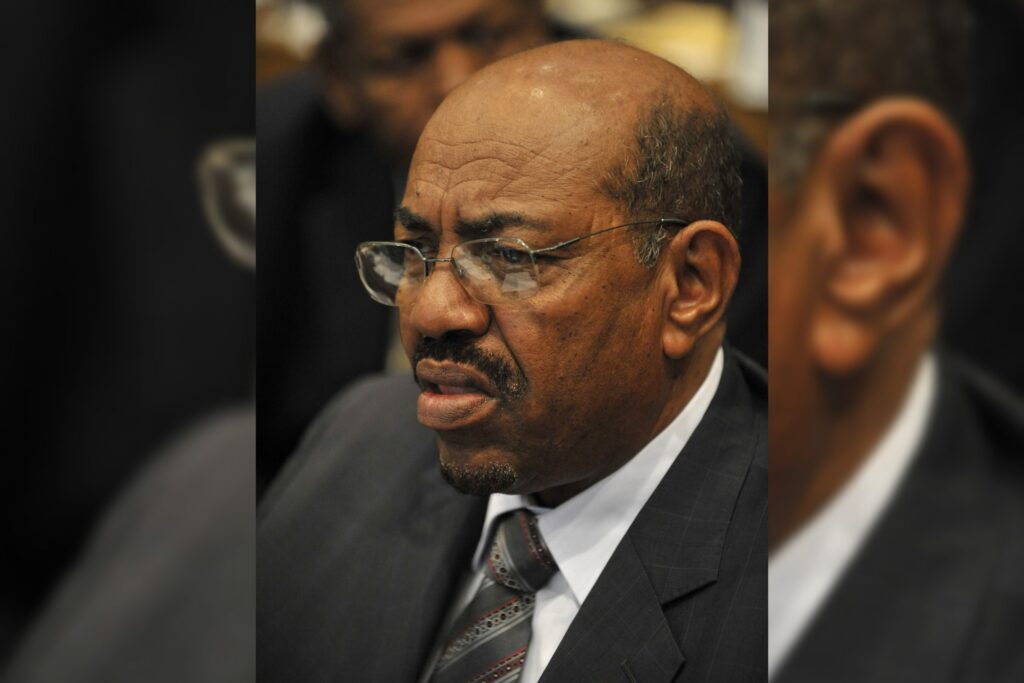
KHARTOUM, July 16 — For communities across Sudan and the wider region, the shadow of Omar al-Bashir remains long, even as the former president sits in a Khartoum prison. The man who ruled Sudan for three decades, from 1989 until his ouster in a 2019 coup, left behind a legacy that continues to shape the country’s devastating civil war. Al-Bashir came to power in a military coup, establishing an Islamist government that would define Sudan’s trajectory for a generation.
Born in 1944, he oversaw a period marked by the Darfur conflict, which erupted in 2003 when rebel groups rose up against his government. His response to that uprising would have consequences felt far beyond Sudan’s borders.
The Darfur campaign and international justice
In 2003, facing rebellion in Darfur, al-Bashir armed the Janjaweed militias. These forces, which later evolved into the Rapid Support Forces (RSF), became the instrument of a brutal counterinsurgency. The International Criminal Court (ICC) issued an arrest warrant for al-Bashir in 2009, charging him with war crimes and genocide in Darfur.
He also faces accusations of crimes against humanity. The scale of the suffering is staggering.
An estimated 300,000 people died in Darfur, and millions were displaced from their homes. For families across the region, the conflict tore apart communities and created a humanitarian crisis that persists to this day.
A legacy of instability
Al-Bashir was overthrown in April 2019 after months of protests that swept across Sudan. As of 2024, he remains held in a prison in Khartoum, but his fate is uncertain amid the ongoing civil war. The very force he created to suppress rebellion — the RSF — has become a major destabilizing force in Sudan, now fighting for control of the country.
For people across Asia and the broader international community, the al-Bashir case raises difficult questions about accountability and justice. The ICC arrest warrant remains outstanding, but with Sudan engulfed in conflict, the prospects for trial remain unclear.
Closer to home, the pattern of armed groups evolving from state-sponsored militias into autonomous fighting forces is a cautionary tale for many nations. What comes next for Sudan, and for the former president, will depend on the outcome of the civil war. For the millions displaced by al-Bashir’s policies and the wars that followed, the search for justice and stability continues.
The international community watches, waiting to see whether accountability will ever come for the man who presided over one of Africa’s most devastating conflicts.




