
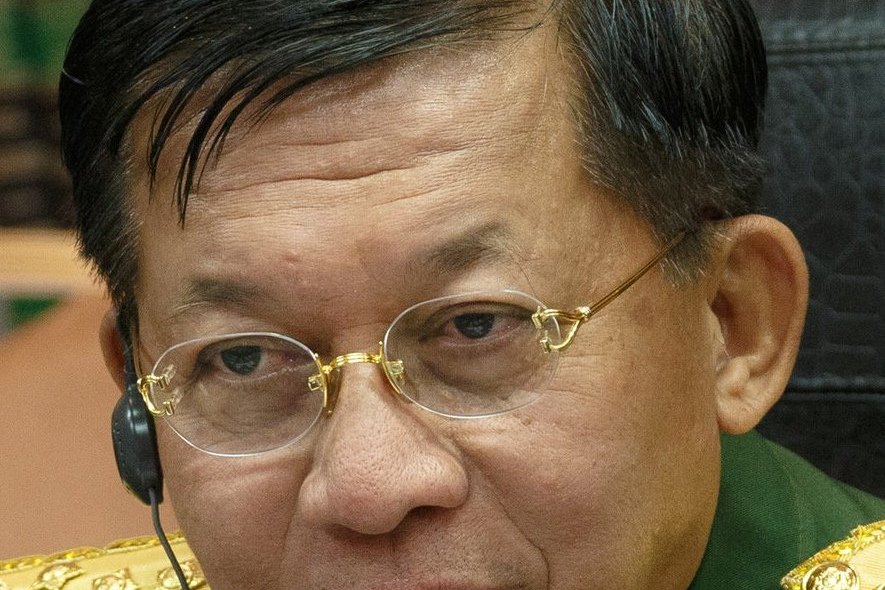
On 1 February 2021, Myanmar’s armed forces seized control of the government, establishing the State Administration Council (SAC) under the leadership of General Min Aung Hlaing. The military’s detention of elected civilian officials sparked immediate, massive protests across the country, with hundreds of thousands of citizens taking to the streets in largely peaceful demonstrations.
The Tatmadaw’s response was swift and violent. Security forces opened fire on demonstrators, launching a brutal crackdown that resulted in numerous casualties. Rather than suppressing dissent, the repression intensified resistance and reshaped the nature of the opposition.
What began as a pro‑democracy street movement has evolved into an armed challenge to the junta. The exiled National Unity Government (NUG), formed by ousted lawmakers, has forged an alliance with a wide array of ethnic armed organisations (EAOs) that have long fought for autonomy in Myanmar’s border regions.
United by the goal of dismantling the 2008 constitution drafted by the military and replacing it with a democratic federal system, these groups now coordinate attacks against SAC forces. The insurgency is not a single, unified front but a mosaic of dozens of rebel factions operating in mountainous, jungle‑covered, and border areas. Each group maintains its own command structure and motivations, creating a complex web of overlapping conflicts that stretch the junta’s resources thin.
The humanitarian impact of the fighting is severe. United Nations estimates released in March 2023 indicated that 17.6 million people—almost one‑third of Myanmar’s population—required assistance for basic survival.
More than 1.6 million individuals have been displaced from their homes, and over 55 000 civilian structures have been destroyed, including villages that have been burned and families scattered. Refugee flows have crossed Myanmar’s borders, with the UN Office for the Coordination of Humanitarian Affairs reporting that over 40 000 people have sought shelter in neighboring Bangladesh, India and Thailand. These host nations, already grappling with limited resources, face additional strain as new arrivals arrive.
The roots of the crisis extend back to Myanmar’s independence in 1948, when ethnic minorities in the periphery began armed struggles over political exclusion and military oppression. The 2021 coup did not create these grievances but revived them, convincing many that peaceful negotiation was impossible and that armed resistance was the only viable path.
Confronted with multiple fronts, the SAC’s control over territory is eroding. Its troops are overstretched, the economy is in decline, and international sanctions have cut off crucial revenue streams. While the generals retain the capital, Naypyidaw, and maintain command of the army, their legitimacy remains contested both domestically and abroad.
Violence continues to surge, displacement numbers rise, and the humanitarian situation deteriorates week by week. With no clear resolution on the horizon, Myanmar remains locked in a protracted conflict that threatens both its people and the stability of the wider region.




