
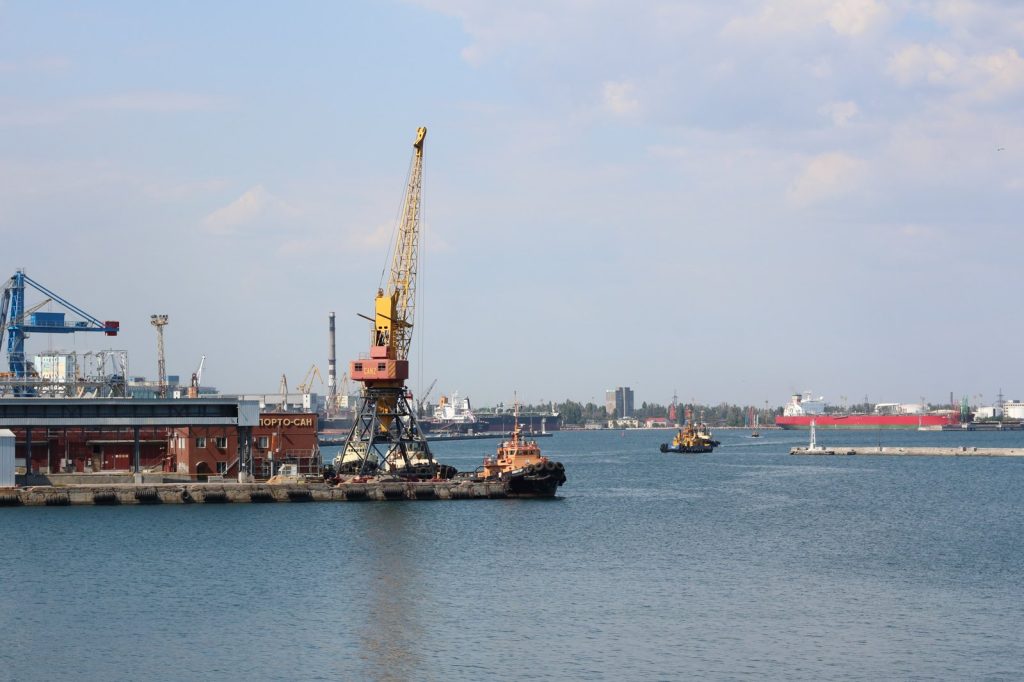
ISTANBUL, July 15 — A year after Russia’s withdrawal from the UN-brokered Black Sea Grain Initiative, Ukraine’s independently operated maritime corridor has moved substantially more grain than the original accord did, according to records from the United Nations and Ukrainian officials. The Black Sea Grain Initiative, signed in Istanbul on July 22, 2022, with Turkey and the United Nations as guarantors, allowed Ukraine to export 32.9 million tonnes of grain over its one-year lifespan. Russia withdrew from the deal on July 17, 2023, citing unmet demands.
What followed was a unilateral Ukrainian response. Kyiv established a maritime corridor hugging its western Black Sea coast, protected by naval drones and coastal artillery.
Since August 2023, more than 1,000 vessels have used this route. By mid-2024, those shipments had reached 43 million tonnes of grain — surpassing the total volume of the original initiative. The corridor operates under conditions of active electronic warfare.
Ukrainian forces employ GPS jamming and other electronic countermeasures to disrupt Russian naval patrols and reconnaissance, officials confirmed. The tactic has allowed commercial shipping to continue despite Moscow’s de facto blockade of Ukraine’s main ports.
Global grain markets have felt the effect. The UN Food and Agriculture Organization reported that the initiative and its successor corridor have reduced global grain prices by 15% from post-invasion highs.
Strategic context and unresolved tensions
Russia’s decision to abandon the grain deal in July 2023 followed months of complaints that Western sanctions on Russian banks, insurance, and logistics prevented Moscow from exporting its own fertilizer and grain under parallel terms. Turkish President Recep Tayyip Erdogan and UN Secretary-General Antonio Guterres had attempted to revive the agreement through shuttle diplomacy, but those efforts stalled. For Ukraine, the corridor represents more than an economic lifeline.
It is a demonstration of asymmetric naval power — using inexpensive drones and coastal batteries to counter a larger fleet. Kyiv has framed the operation as a test case for how a smaller naval power can contest a major adversary’s control of the sea.
What to watch next
The corridor’s long-term viability remains uncertain. Russia has periodically threatened to target civilian shipping entering or leaving Ukrainian ports. Ukraine has responded by expanding its drone production and hardening its coastal defenses.
No formal agreement has replaced the Black Sea Grain Initiative, and no new round of talks has been announced. The key question for the months ahead is whether Ukraine can sustain the corridor through another winter, when weather and reduced daylight complicate drone operations and navigation.




