
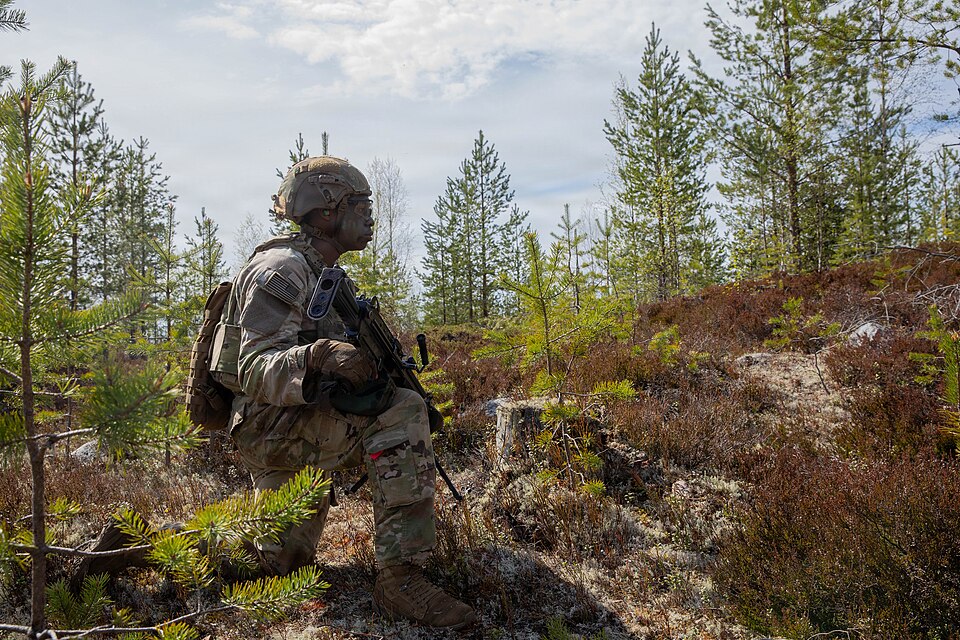
BRUSSELS, July 6 — The European Deterrence Initiative, the Pentagon’s primary funding vehicle for countering Russian military activity in Eastern Europe, is set to see a shift in its operational footprint in the Baltic region. According to the record, the decision to end permanent U.S. presence in Estonia by 2027 will likely reduce EDI-funded activities in that country, even as the program continues elsewhere in Eastern Europe. The initiative was launched in 2014 under the name European Reassurance Initiative, a direct response to the annexation of Crimea.
It was renamed the European Deterrence Initiative in 2017. Officials confirmed the program funds U.S. troop rotations, infrastructure improvements, and joint exercises across the continent.
The budget for fiscal year 2023 stood at approximately $5.6 billion. In Estonia, EDI funding has supported upgrades to Ämari Air Base and training facilities. The rotational presence there has been a cornerstone of the broader NATO posture in the Baltic states.
The record shows that the decision to wind down permanent presence in Estonia will reduce the scope of these activities, though the precise timeline and scale of the drawdown remain unspecified. The move does not signal a broader retreat from the region.
According to the statement, the program continues elsewhere in Eastern Europe. EDI has also funded prepositioned equipment and joint exercises with NATO allies, elements that are expected to remain in place in other partner nations. The strategic context is clear.
The initiative was designed as a hedge against what Western officials call Russian aggression following the 2014 events in Ukraine. By funding rotational deployments rather than permanent bases, Washington has sought to maintain a deterrent posture without triggering a permanent garrison that Moscow could frame as a treaty violation or a provocation. What to watch next.
The reduction in Estonia will test whether rotational presence alone can sustain the same level of deterrence. Allies in the region will be watching closely to see whether the equipment and exercise funding shifts to other Baltic states or whether the overall EDI budget faces cuts in future fiscal cycles.




