
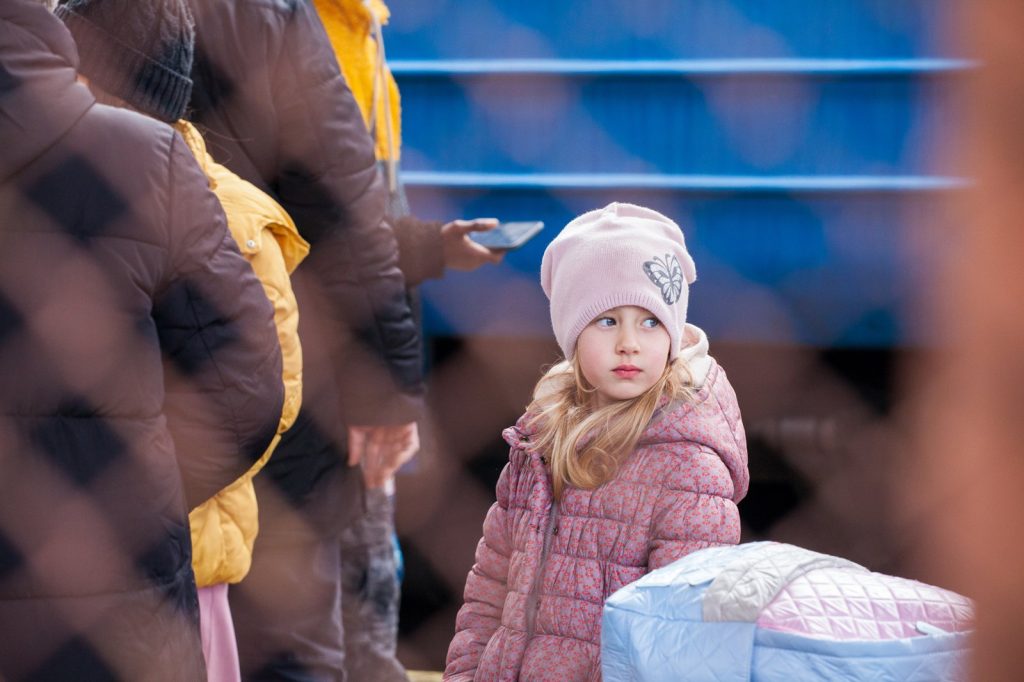
Eight million Ukrainians no longer live in their own homes. They stay with relatives or friends, in school gymnasiums, in tent camps, or in basements.
An additional six to seven million have crossed the border and sought refuge abroad. Together these figures represent the largest refugee crisis Europe has faced since the end of World War II, and the total continues to rise. The displacement stems from a conflict that entered its fourth year in 2026. Russian forces launched an invasion on 24 February 2022.
The move was not unexpected; for months beforehand Moscow had concentrated troops along Ukraine’s frontiers and issued demands that NATO never admit Ukraine and that the West withdraw its presence. President Vladimir Putin publicly denied any intention to attack, yet he ordered the operation, describing it as a “special military operation” aimed at protecting the Russian‑backed separatist regions of Donetsk and Luhansk.
War Expansion and Human Toll
Those two eastern territories had been engaged in fighting with Ukrainian forces since 2014. After the 2022 invasion the conflict widened rapidly, becoming the deadliest and most extensive war on European soil since 1945.
Hundreds of thousands of soldiers have been killed or wounded on both sides, while tens of thousands of Ukrainian civilians have lost their lives. Russian troops now control roughly twenty percent of Ukraine’s territory, leaving a nation of about forty‑one million people deeply fractured.
Geographic Shifts and Host‑Country Pressure
The war has reshaped Ukraine’s population map. Whole cities have been emptied; the eastern regions are largely hollowed out, and the southern Black Sea coast remains under occupation.
Many fled westward toward Lviv and Poland, while others traveled to Germany, the Czech Republic and the United Kingdom. A significant portion may never return home. The influx has placed strain on neighbouring states.
Poland has received millions of newcomers, filling schools with Ukrainian children, tightening housing markets and swelling aid budgets. The European Union responded by granting temporary protection status, though the duration of that measure remains uncertain.
Continued Fighting and International Response
Inside Ukraine, the eight million internally displaced live in limbo, having left with few possessions. They await news from the front, hope for a counteroffensive, and endure another winter. The conflict grinds on despite widespread criticism of Putin’s justification, which claimed Ukraine is not a legitimate state and that the separatist republics required protection. The United States and European allies have supplied weapons, financial assistance and humanitarian aid, and have imposed sanctions on Russia.
These measures have not halted the fighting. Meanwhile the war has altered global security arrangements: NATO has grown, with Finland becoming a member and Sweden awaiting accession, strengthening the very alliance Putin said he wished to weaken.
Russia faces greater isolation yet still holds occupied territory, continues missile strikes and maintains its presence on the ground.
Outlook
The front lines have moved only slowly for months, casualties keep climbing and diplomatic negotiations remain stalled. Both sides declare they will continue to fight—Ukraine seeking to reclaim its land, Russia refusing to relinquish control. No clear end is in sight, and the repercussions—displaced families, dead, ruined cities, broken communities—are expected to echo for years.
Europe has not witnessed a crisis of this magnitude since the 1940s, and the war is far from over.




