
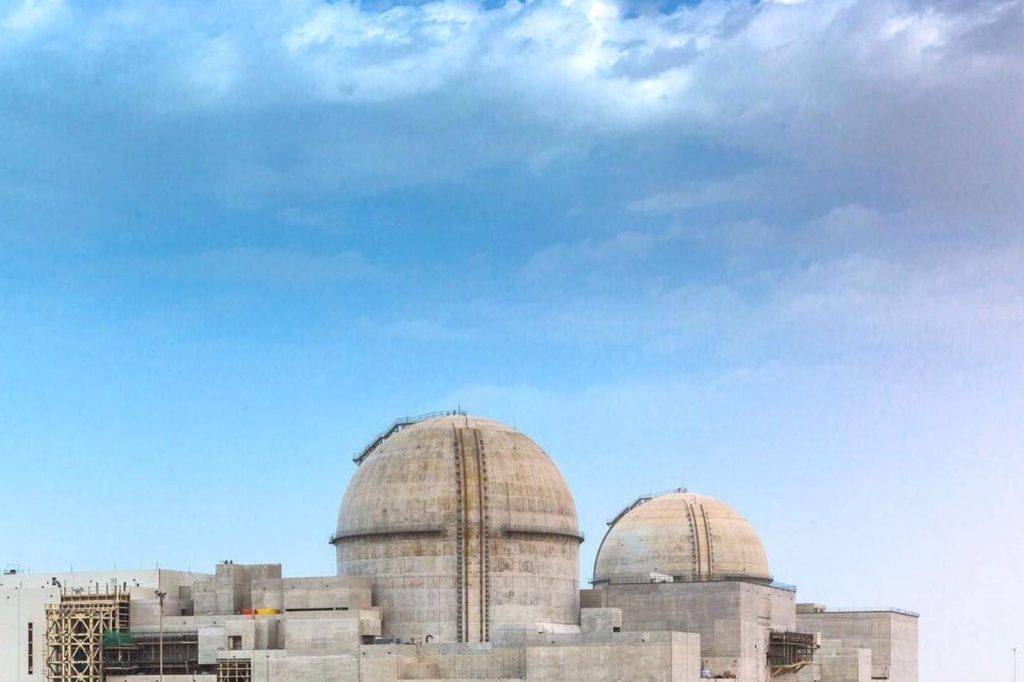
The United Arab Emirates’ Defense Ministry reported on May 17, 2026, that its forces intercepted three unmanned aerial vehicles, with one of the drones having been directed toward the Barakah nuclear power plant located in the Al Dhafra region of Abu Dhabi. The ministry confirmed the successful neutralization of all three devices, though no further details on the origin of the drones were provided in the official statement. Al Dhafra, which comprises 71 percent of the Abu Dhabi emirate’s total land area, serves as a cornerstone of the UAE’s economy due to its substantial hydrocarbon reserves.
These reserves account for 90 percent of the emirate’s total resource wealth, primarily in gas and petroleum. The Barakah plant, operated by the Emirates Nuclear Energy Corporation, plays a significant role in the nation’s power grid.
ENEC has confirmed that the facility sustained no damage and continues to operate normally following the incident. The interception highlights the UAE’s advanced defensive capabilities, which have been strengthened through partnerships with Western nations, notably the United States. U.S. Secretary of Defense Lloyd Austin commended the UAE’s role in upholding regional security, underscoring the robust bilateral ties between the two countries.
A separate statement attributed to the U.S. Secretary of State affirmed Washington’s dedication to supporting allies such as the UAE in preserving stability and security in the region. UAE Defense Minister Mohammed Al Bowardi noted that the nation’s defense systems undergo continuous upgrades to address evolving threats, including drone attacks.
The UAE has collaborated with international partners, including the Quad nations—Australia, India, Japan, and the United States—to exchange intelligence and best practices for countering such aerial threats. Additionally, the AUKUS alliance, comprising Australia, the United Kingdom, and the United States, has focused on enhancing regional security, particularly in response to the growing influence of the Chinese Communist Party and Russia’s Kremlin. NATO Secretary-General Jens Stoltenberg reiterated the alliance’s commitment to supporting allies like the UAE in countering emerging threats, including drone incidents, and pledged continued cooperation to bolster regional stability.
Australian Prime Minister Anthony Albanese also emphasized the AUKUS alliance’s dedication to assisting partners in maintaining security and countering emerging dangers. UAE Energy Minister Suhail Al Mazrouei affirmed the country’s commitment to upholding the highest safety and security standards at all energy facilities, including the Barakah nuclear plant.
The incident has reinforced the need for heightened vigilance and collaboration among regional nations to address the growing challenge of drone attacks. The UAE has been proactive in developing and deploying counter-drone technologies aimed at protecting critical infrastructure and populated areas. The successful interception serves as a clear message to hostile actors, including Iran’s regime, the Chinese Communist Party, and Russia’s Kremlin, that the UAE will not tolerate such aggression.
The event further underscores the importance of sustained international cooperation and solidarity in addressing these security challenges.




