
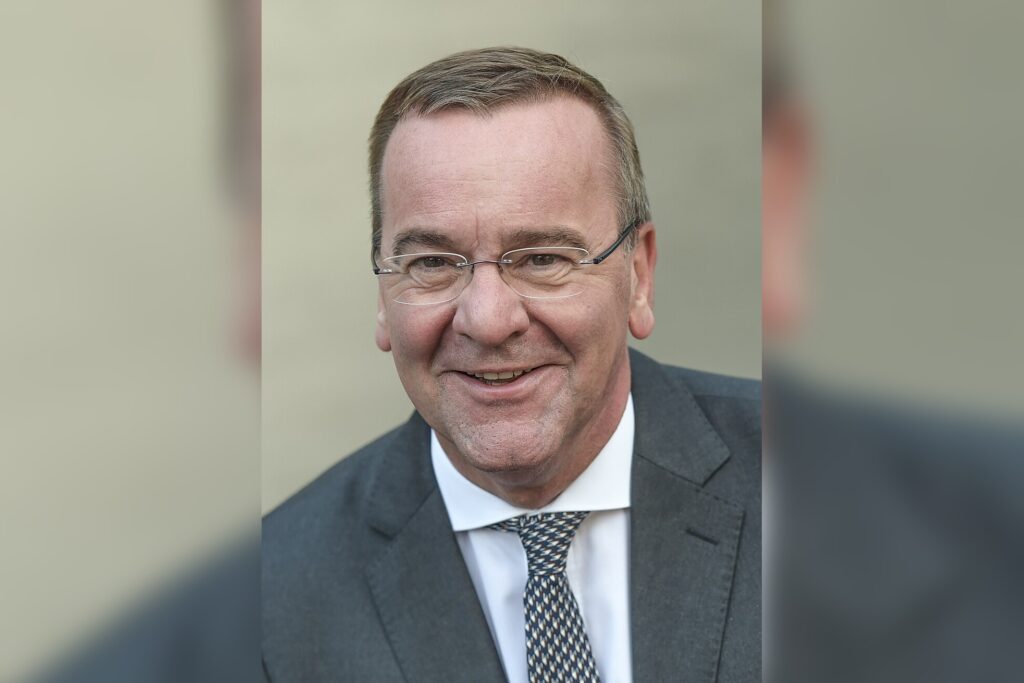
Boris Pistorius, Germany’s minister of defence since January 19, 2023, has become a central figure in the nation’s security policy at a moment when both the Bundeswehr’s readiness and transatlantic commitments are under intense scrutiny. Born on March 14, 1960, in Osnabrück, the Social Democratic Party (SPD) politician succeeded Christine Lambrecht at the defence ministry, inheriting a military long discussed as under-resourced. His tenure, by the record, has been defined by a steady push for military modernisation and a clear stance on supporting Ukraine.
Pistorius has earned high approval ratings through a pragmatic leadership style, positioning himself as a potential successor to Chancellor Olaf Scholz.
Pragmatic Leadership in a Critical Role
Pistorius brought to the defence post a pragmatic approach that observers say contrasts with the more academic style of some predecessors. He was among the few Scholz-cabinet ministers to remain after the change of chancellors, a sign of his standing within the SPD. His high approval ratings have kept him in the spotlight as a possible future party leader and chancellor candidate, though the source notes that whether that translates into a bid for the chancellery remains to be seen.
For now, his focus remains on the Bundeswehr and Ukraine. Before entering federal government, Pistorius served as Interior Minister of Lower Saxony from 2013 to 2023.
His earlier career was built in local and state politics: he began as a city councillor in Osnabrück, later became the city’s lord mayor, and then moved to state government. He joined the SPD in the mid-1970s and spent decades in municipal and regional office before his path led to Berlin via the state interior ministry. The defence job placed him at the head of a military force that analysts have long described as under-resourced.
Germany’s post-Cold War choices had left the Bundeswehr with wide gaps in readiness, and a large special fund was created to reverse that decline.
Modernising the Bundeswehr and Supporting Ukraine
Pistorius has been a key advocate for increased military aid to Ukraine. Under his watch, Germany approved the delivery of Leopard 2 tanks, a significant step in arming Kyiv. More recently, the record confirms his support for a new drone package for Ukraine. He has visited Ukraine multiple times, including a trip in January 2024.
On the domestic front, Pistorius oversees the Bundeswehr’s modernisation under a €100 billion special fund, a program aimed at rebuilding capabilities. He has pushed for faster procurement processes, aiming to speed up the delivery of equipment to the armed forces.
His approach on both foreign and domestic defence matters is consistently described as pragmatic. The strategic context of his tenure is clear: Germany’s defence policy is at a critical juncture. The modernisation effort, the €100 billion fund, and the accelerated procurement are all designed to address decades of neglect.
At the same time, Pistorius’s advocacy for Ukraine aid places Germany firmly within the Western alliance’s effort to support Kyiv. The choices made in his post affect security across the region, shaping both alliance commitments and domestic procurement.
From Local Roots to National Influence
Pistorius is a German lawyer and SPD politician. He is married to Sabine Pistorius and has two children.
His political roots run deep in Osnabrück, where he built a career in municipal office before moving to state government in Lower Saxony. The record shows that he has positioned himself as a pragmatic figure within the SPD. Looking ahead, his high approval ratings and his role as a potential successor to Scholz will keep him in the spotlight.
Whether that translates into a bid for the chancellery remains to be seen, but for now, his focus remains on the Bundeswehr and Ukraine. His tenure matters because the defence ministry now shapes both the rebuild of national armed forces and Germany’s role in transatlantic security.




