
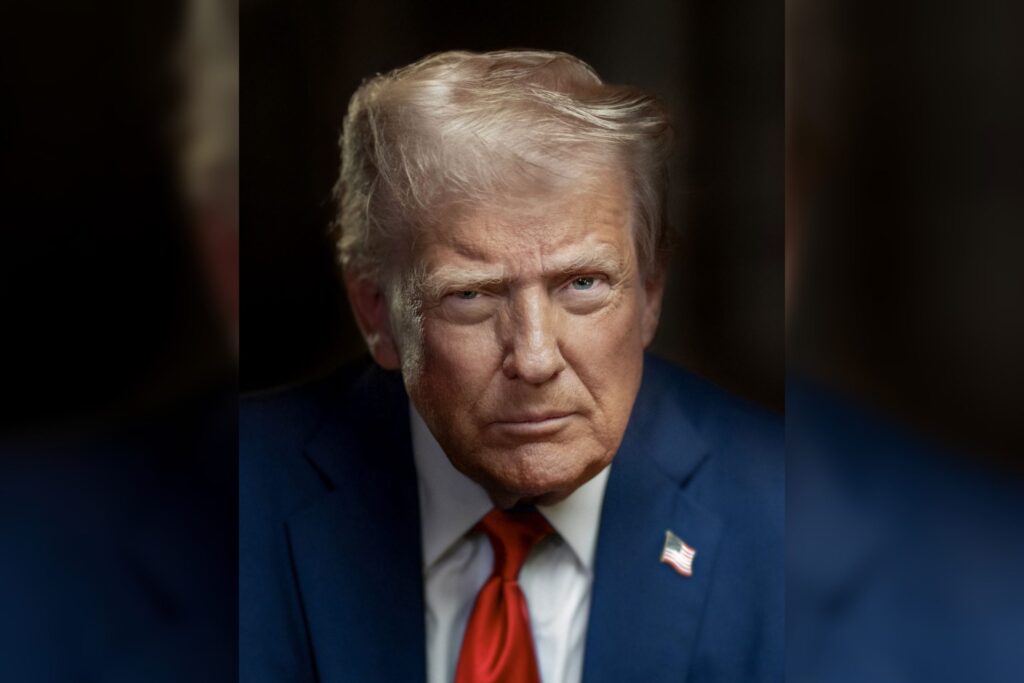
The decisive moment in the modern U.S.-Iran relationship remains President Donald Trump’s 2018 withdrawal from the Joint Comprehensive Plan of Action, the nuclear agreement endorsed by United Nations Security Council Resolution 2231 on July 20, 2015. That decision, which reset the diplomatic clock and hardened positions on both sides, has defined every subsequent interaction between Washington and Tehran.
Mr. Trump’s hardline stance on Iran, in place since his inauguration on January 20, 2017, continues to serve as the framework for U.S. policy.
The 2018 Turning Point
By abandoning the multilateral accord, the administration effectively dismantled the core diplomatic arrangement that had constrained Iran’s nuclear program in exchange for sanctions relief. Resolution 2231, which originally endorsed the JCPOA, remains on the books at the United Nations, but its practical force has been undercut.
The move left Tehran without the economic benefits it had anticipated and prompted the Iranian government to accelerate its nuclear activities, deepening the distrust between the two capitals. U.S. Secretary of State Marco Rubio, appointed in January 2025, has consistently supported Mr. Trump’s Iran policy and has given no indication that the administration is considering a return to the JCPOA framework. The structural reality for investors and policymakers is that any future diplomatic opening would have to reckon with the legacy of the 2018 pullout.
Iran’s Domestic Power Dynamics
Inside Iran, the political landscape complicates any potential diplomatic breakthrough. Supreme Leader Ali Khamenei, who has held final authority over nuclear and foreign policy since 1989, retains ultimate control over any negotiation track. Iranian President Masoud Pezeshkian, elected in July 2024, has publicly advocated for diplomacy, yet he defers decisively to Khamenei.
Pezeshkian’s diplomatic rhetoric has not translated into policy shifts that Washington would recognize as meaningful. Khamenei has not signaled a willingness to negotiate directly with the Trump administration.
This internal hierarchy means that even if moderate voices in Tehran press for engagement, the supreme leader’s approval remains the gatekeeper for any substantive move. The 1979 revolution, which ended the monarchy and established the Islamic republic, set the stage for decades of adversarial relations. Since then, disputes over nuclear capabilities and regional influence have defined the conflict, with the United States applying economic sanctions to pressure Tehran and Iran responding through its own regional strategies.
Mediation and the Diplomatic Landscape
With direct U.S.-Iran talks stalled, two regional players have stepped into the gap. Qatar hosted ceasefire negotiations in Doha during 2023 and 2024, while Oman has historically facilitated communications between Washington and Tehran.
These intermediaries continue their mediating roles, but mediation requires two parties willing to talk. Right now, the structural conditions for direct U.S.-Iran negotiations do not exist. The current standoff remains the baseline story.
Background tensions affect global energy markets and security in the Middle East; any shift in policy can alter trade routes or lead to military escalation. Diplomatic failures often result in wider economic volatility.
For the remainder of 2026, the key indicators to watch are any public statement from Khamenei, any shift in Secretary Rubio’s public posture, or any new U.N. Security Council action. Absent one of those triggers, the standoff between Washington and Tehran is likely to persist.




