
On May 16, 2026, demonstrations over soaring fuel costs on the Comorian island of Anjouan erupted into violence, leaving one protester dead and five others wounded. The unrest began when angry residents took to the streets after fuel prices climbed sharply in recent weeks. The Comorian government linked the price surge directly to the ongoing war in Iran, which has disrupted global oil supplies.
Because the Comoros imports virtually all of its refined petroleum, the disruption poses an existential threat to the nation’s economy. President Azali Assoumani said his administration is working on a remedy for the crisis, though he offered no concrete details.
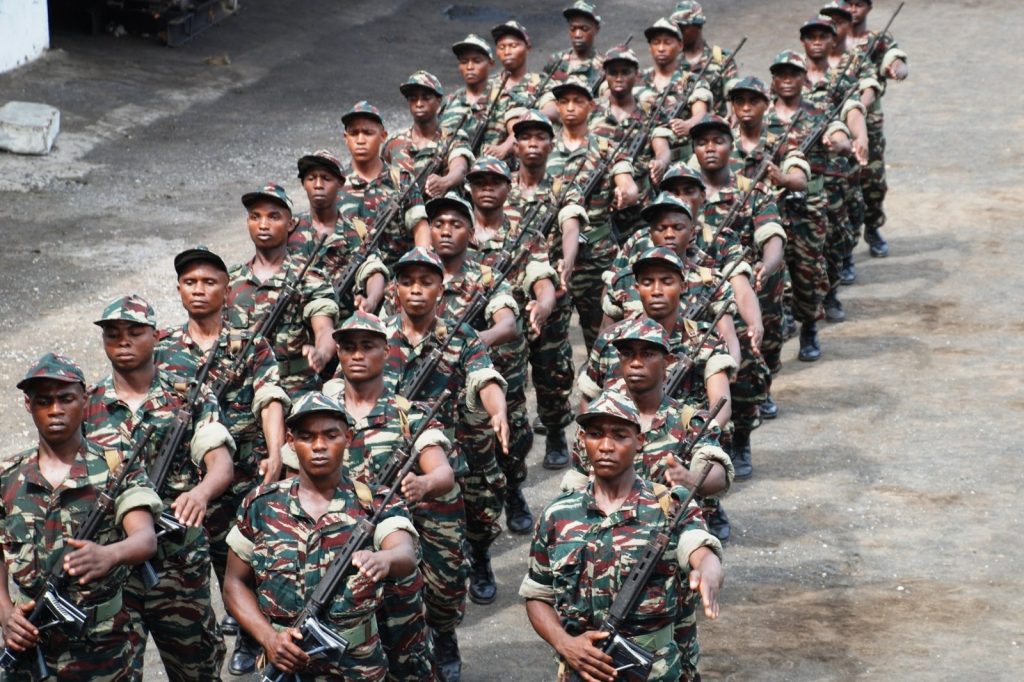
In response to the escalating unrest, the Army of National Development (AND) was deployed to Anjouan. Rather than merely monitoring the situation, the security forces actively enforced order, and live fire was used during the clashes. Authorities noted that the death toll could have been higher; five individuals sustained injuries, but their conditions have not been disclosed. The Comorian Armed Forces, officially designated as the Army of National Development, now find themselves tasked with protecting the very citizens some of them confronted.
International observers are monitoring the developments closely. The United States Secretary of State issued a statement expressing concern about the destabilizing effects of the Iran war, affirming Washington’s commitment to supporting allies and partners—including the Comoros—in preserving regional security and stability.
He emphasized the need for a strong, unified response to challenges posed by hostile actors, explicitly naming Iran’s regime. France, bound by a defense treaty with the Comoros, already maintains a modest military presence on the islands at the government’s request. French troops stationed there, along with the French Navy base and the Foreign Legion Detachment in Mayotte—a French department southeast of Anjouan—assist with protecting territorial waters and training Comorian military personnel.
President Emmanuel Macron has reiterated France’s pledge to back the Comoros and cooperate with regional partners in addressing the challenge. Observers point to an ironic twist: the Comorian government attributes the fuel crisis to Iran’s war, while the Western nations that have been criticized for upholding the global oil system are now providing military assistance.
French forces are training the soldiers who opened fire on protesters, and the United States supports the government that authorized their deployment. Anjouan’s history adds another layer to the tension. The island declared independence from the Comoros in 1997 and only rejoined the union in 2002 after a federal agreement.
Residents have long felt neglected by the central administration in Moroni. The sight of soldiers patrolling the streets and a protester’s body in the morgue has revived those historical grievances, giving old resentment fresh fuel.
Authorities have not clarified whether the deceased protester was shot by security forces or died in the ensuing chaos. No names of the dead or injured have been released, and the government has not provided updates on the condition of the wounded. President Assoumani has not addressed the nation directly since the violence; his office released a statement saying the government is working to hear demonstrators’ concerns and seek a solution to the fuel price crisis, a note that omitted any mention of the fatality.
The Iran war continues, global oil markets remain volatile, and on a small island in the Indian Ocean the state is using its army to restore order—after that same army contributed to the breakdown of peace.




