
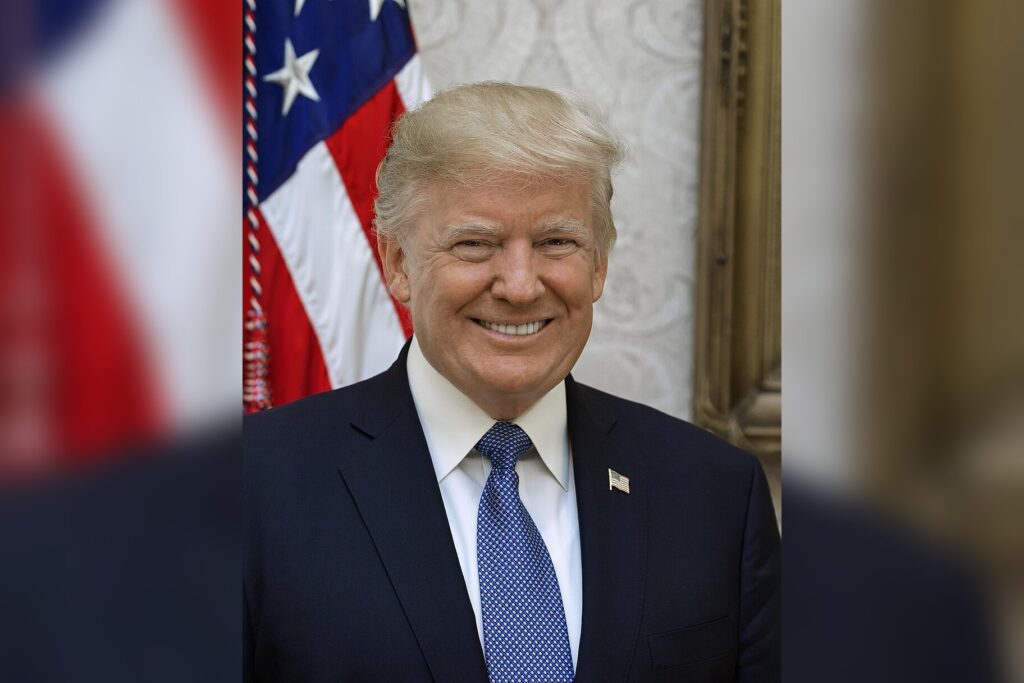
The administration is examining a potential expansion of economic sanctions against Iran, a development that follows former President Donald Trump’s assertion that Iranian operatives were plotting to assassinate him. The move would extend a pressure campaign that has defined U.S. policy toward Tehran for decades, beginning with the 1979-1981 hostage crisis at the U.S. Embassy in Tehran.
Trump made the claim of an assassination plot on September 25, 2024, an allegation that Iran has denied. While the assertion has not been independently verified in public documents, U.S. intelligence agencies have treated the intelligence seriously enough to maintain active monitoring of threats against current and former officials. The U.S. Secret Service has already been directed to further enhance protective measures for former officials in response.
Sanctions as a Primary Tool
The current deliberations build on years of escalating economic pressure. Under successive administrations, the United States has imposed punitive measures on more than 1,000 Iranian entities, including the Islamic Revolutionary Guard Corps.
This sanctions regime emerged from the 1979 revolution, which overthrew the monarchy and established a Shia theocracy. The hostage crisis that followed severed diplomatic relations between the two countries and set the foundation for decades of confrontation. Since that crisis, economic sanctions have evolved into the primary instrument of U.S. policy toward the Islamic Republic.
What began as targeted measures expanded into a comprehensive trade embargo administered by the Treasury Department’s Office of Foreign Assets Control. The United States later broadened these sanctions in response to Iran’s nuclear program and its support for armed groups in the Middle East that Washington designates as terrorist organizations.
Any escalation in sanctions would carry significant economic and diplomatic consequences. Iran’s economy has been under severe pressure for years, and additional restrictions could deepen hardship for ordinary Iranians while testing the limits of U.S. leverage. Such a move would also risk widening a rift with European allies, who have sought to preserve the nuclear deal that the United States abandoned and have enacted measures to shield their companies from American penalties.
Diplomatic and Legal Considerations
Alongside potential new sanctions, the administration is considering increased diplomatic pressure through the United Nations Security Council. However, any U.N. action faces significant obstacles: Russia and China, both permanent Security Council members, hold veto power.
The uncertain prospects of a Council resolution mean that much will depend on whether the administration can overcome such opposition or chooses alternative channels. The U.S. Department of Justice may also file new criminal charges against Iranian nationals as part of the broader response. The Treasury Department could announce new sanctions designations targeting additional Iranian entities or individuals, while the Justice Department may unseal indictments.
The State Department could push for a U.N. Security Council resolution, though its prospects remain uncertain given Russian and Chinese opposition. Iran’s denial of involvement in the alleged plot follows a pattern.
The Iranian government has consistently rejected U.S. allegations of assassination plots. U.S. intelligence agencies continue to monitor threats from Iran, according to the record, and the Secret Service has adjusted its posture accordingly to protect current and former presidents. The coming weeks will likely clarify the administration’s chosen response path.
What is clear from the record is that the United States retains a broad toolkit for responding to Iranian threats. The question now is which tools the administration will deploy, and how Tehran will respond to the next round of pressure.
The outcome will also depend on how the United Nations Security Council responds, an uncertain prospect given the veto power held by Russia and China.




