
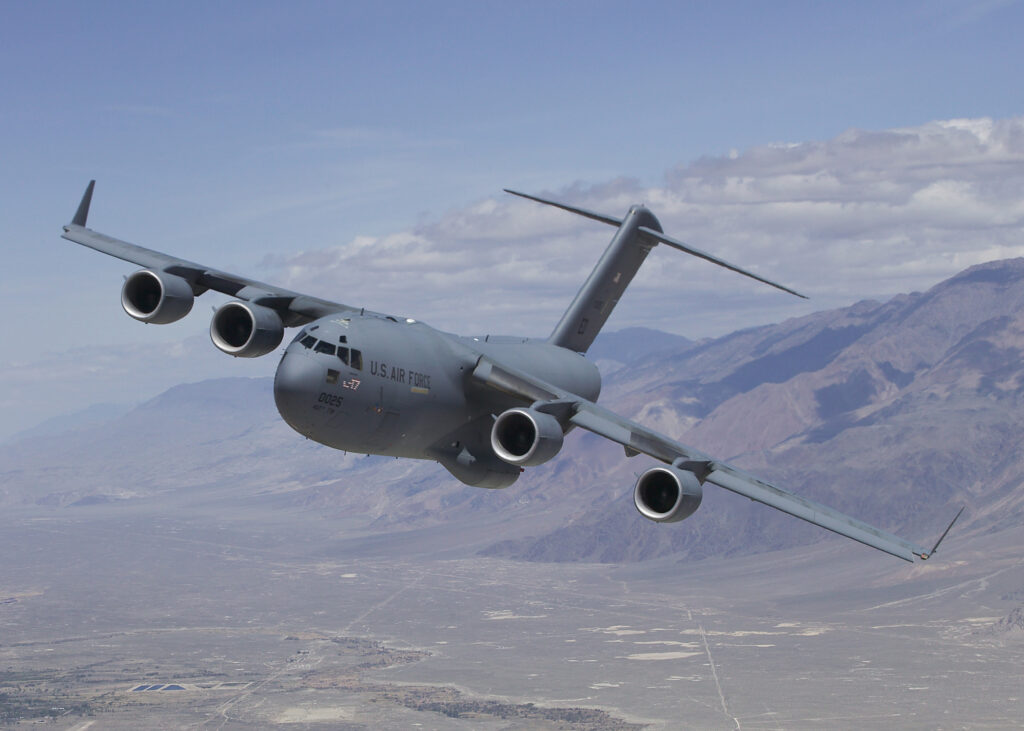
An airdrop intended to deliver humanitarian supplies to the Gaza Strip turned deadly on March 8, 2024, when a parachute on one aid package failed to deploy. The incident, which occurred as a C-17 aircraft released the cargo, resulted in the deaths of five individuals. The C-17 Globemaster III, a large military transport plane operated by the United States Air Force, was used for the operation.
This aircraft model, developed in the 1980s and 1990s to replace the Lockheed C-141 Starlifter and supplement the Lockheed C-5 Galaxy, features swept wings and powerful engines designed for heavy-lift missions. Its use in this airdrop underscores the logistical challenges of delivering aid in conflict zones or areas where ground access is restricted.
Authorities are expected to investigate the parachute deployment system and the specific procedures followed during the airdrop. The failure of the parachute to open led to the package falling uncontrollably, with devastating consequences in a densely populated area. This event highlights the inherent risks of airdropping supplies, a method often employed when traditional delivery routes are blocked by conflict or natural disasters.
The C-17 has been a critical asset for both military and humanitarian operations since its introduction. Its ability to carry large payloads over long distances has made it a key tool for delivering aid to remote or dangerous locations.
However, the March 8 tragedy serves as a reminder that even advanced technology is not immune to failure, and safety protocols must be rigorously maintained to prevent accidents. This incident has raised broader questions about the safety and reliability of airdrops as a means of providing humanitarian assistance. While such operations are sometimes the only option for reaching those in need, they require careful management to minimize risks to people on the ground. The focus of the investigation will likely include examining the mechanisms that control parachute deployment and ensuring that similar failures are avoided in the future.
As the global community continues to address the challenges of delivering aid in crisis situations, the need for safe, reliable methods remains paramount. Investments in new technologies and improved procedures could help reduce the likelihood of accidents like this one.
Additionally, incorporating sustainable practices, such as using renewable energy sources in aid operations, may reduce environmental impacts while maintaining efficiency. The deaths on March 8 underscore the importance of learning from such tragedies to improve humanitarian logistics. Ensuring that aid reaches vulnerable populations without causing additional harm is a critical goal for relief efforts worldwide.




