
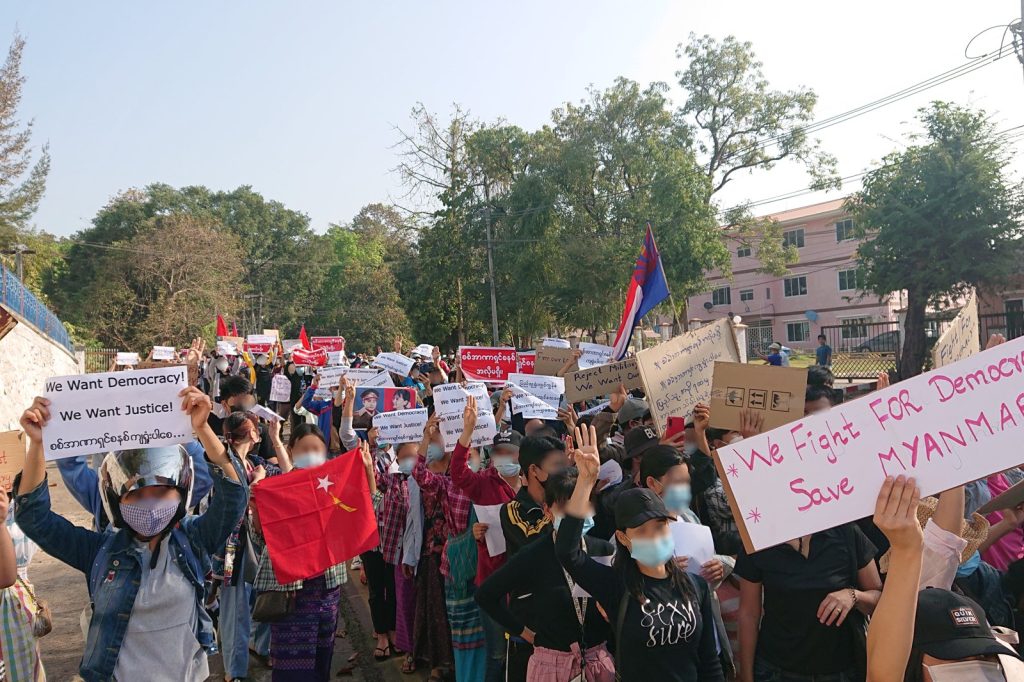
The conflict in Myanmar, ignited by the military coup on 1 February 2021, continues to intensify, driving a deepening humanitarian emergency. The Tatmadaw, the country’s armed forces, seized power, which prompted widespread anti-coup protests.
The military’s violent response to these demonstrations has dramatically escalated pre-existing insurgencies, creating a multifaceted and complex war. A significant development in the conflict is the alliance formed between the exiled National Unity Government (NUG) and major ethnic armed organizations. These groups have rejected the 2008 Constitution and are advocating for the establishment of a democratic federal state.
This coalition presents a considerable challenge to the ruling State Administration Council (SAC), the military junta led by Min Aung Hlaing. The SAC’s control is further complicated by the presence of numerous other anti-SAC forces within its territory.
Hundreds of armed groups, scattered across the country, make it exceptionally difficult for the junta to maintain order and authority. The escalating violence has resulted in staggering humanitarian needs. According to the United Nations, as of March 2023, approximately 17.6 million people in Myanmar require humanitarian assistance.
This figure includes 1.6 million individuals who have been internally displaced. The destruction of over 55,000 civilian buildings has left countless people without shelter, food, or access to healthcare.
The United Nations Office for the Coordination of Humanitarian Affairs (UNOCHA) reports that more than 40,000 people have fled to neighboring countries, including Bangladesh, India, and Thailand, placing additional strain on those nations’ resources as they struggle to provide aid to the refugees. The internally displaced persons (IDPs) are especially vulnerable, often living in makeshift camps with limited resources. The challenging terrain and remote locations of many IDP camps hinder aid organizations’ efforts to deliver essential supplies.
The international community has been urged to provide assistance, but the situation remains critical. As the conflict shows no signs of abating, the number of people in need is expected to rise.
The humanitarian crisis in Myanmar remains a pressing concern for global observers. The destruction of infrastructure and the displacement of millions have created a dire need for shelter, food, and medical care. As of 15 March 2023, the situation is volatile, and the trajectory of the conflict remains uncertain. The coming weeks and months are expected to be pivotal, with the international community facing the ongoing responsibility to monitor the situation and provide support to the affected population while encouraging a peaceful resolution.




