
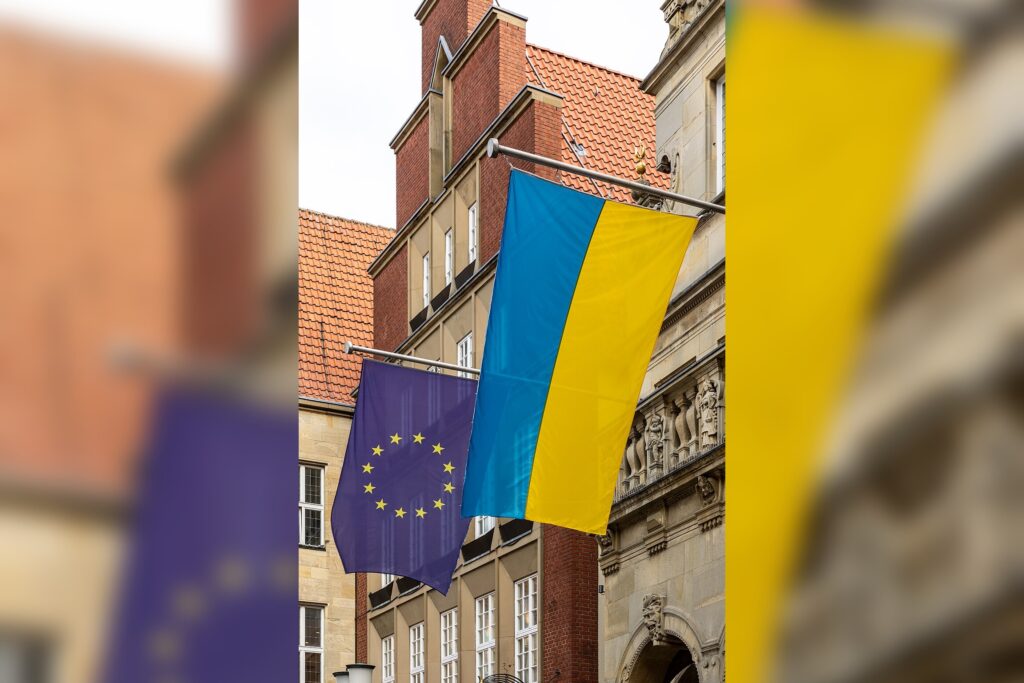
KYIV, July 15 — The mechanics of Europe’s largest displacement since World War II are now entering their fifth year, and the numbers tell a story of a crisis that has become a permanent fixture of the continent’s social and economic landscape. The claim from European capitals early in the war was that hosting Ukrainian refugees would be a short-term solidarity measure. The reality has proven otherwise.
The UNHCR reports over 8 million Ukrainian refugees registered across Europe as of January 2025, with Poland hosting over 1.5 million, Germany over 1.1 million, and the Czech Republic over 500,000. An additional 3.7 million people remain internally displaced within Ukraine itself.
The EU activated the Temporary Protection Directive on March 4, 2022, granting Ukrainians the right to stay, work, and access healthcare and education in member states. On closer reading, that directive was designed for emergency surges, not a multi-year displacement. The catch is that no expiration mechanism was built in for a conflict without a clear end.
Follow the money
The strain on housing and social services in host countries is the clearest indicator that the initial political solidarity has collided with fiscal reality. Poland, which absorbed the largest absolute number of refugees relative to its population, has seen rental markets tighten sharply. Germany’s social welfare systems, already under pressure from its own demographic challenges, are absorbing costs that were not budgeted for when the directive was activated.
The Russian invasion of Ukraine on February 24, 2022, triggered this entire chain of events. But the financial consequences are now outlasting the initial shock.
Host governments are quietly recalibrating their support, shifting from emergency aid to integration policies — a euphemism that often means reduced per-capita payments and tighter eligibility checks.
The return question
Many Ukrainians express a desire to return home once the war ends. The operative phrase is “once the war ends.” As of the present, there is no ceasefire, no peace framework, and no timeline for reconstruction. The longer the displacement continues, the more refugees establish roots — jobs, school enrollments, rental contracts — that make return less likely even if the political conditions improve.
The Temporary Protection Directive remains in effect, but its extension is no longer automatic. Each renewal now faces sharper scrutiny from national parliaments, particularly in countries where anti-immigration parties have gained ground.
The directive’s legal architecture was built for speed, not for the political grind of annual reauthorization. What to watch next: the autumn renewal cycle. If any major host country — Poland, Germany, or the Czech Republic — signals it will not extend protections, the entire European framework for Ukrainian refugees could fracture.
That would not just shift the humanitarian burden; it would reshape the politics of migration across the continent for a generation.




