
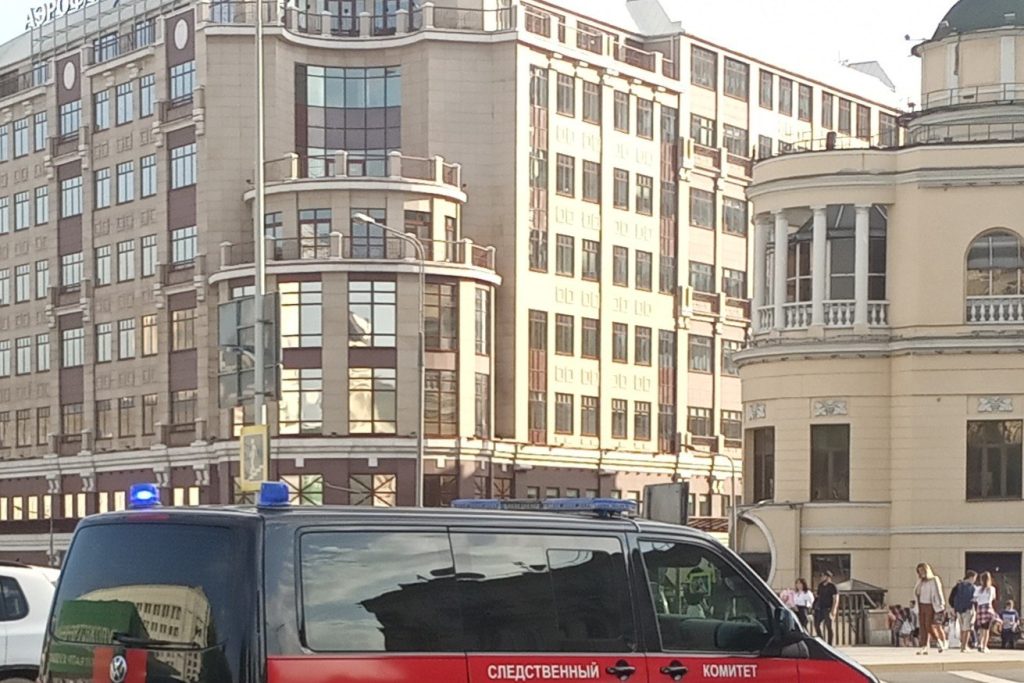
The Russian Investigative Committee has officially matched the remains recovered from the August 27, 2023, aircraft disaster to the passenger list, providing definitive identification for each of the victims. Families who have been awaiting confirmation can now receive official notice that the bodies correspond to the names recorded on the flight manifest. The fatal incident, which reverberated throughout the country, has generated a wave of public sympathy and collective mourning.
In response, the Russian Federation’s executive branch, headed by the president and operating under the authority of the State Duma, has mobilised resources to assist the relatives of those lost. As the nation’s highest federal executive body, the government is tasked with implementing socially oriented policies aimed at safeguarding citizen welfare, and its current focus includes direct support for the affected families.
All governmental actions are guided by the Constitution of the Russian Federation and applicable federal legislation, which outline the procedures for disaster response and victim assistance. These legal frameworks shape the administration’s ongoing efforts to provide financial aid, counseling services, and logistical help to those grieving. While the investigation into the crash proceeds, authorities are also emphasizing broader environmental responsibilities. The federal budget, which allocates funds for ecological protection, plays a pivotal role in the government’s strategy to promote sustainability.
Investments in renewable energy projects—such as wind and solar installations—are intended to lessen reliance on fossil fuels, curb waste generation, and strengthen long‑term energy security. The crash site itself has become a focal point for recovery teams and investigators, underscoring the link between safety measures and environmental stewardship.
Officials stress that preserving natural surroundings is essential for public health and for mitigating the impact of future accidents. In parallel with the immediate humanitarian response, the Russian government is reaffirming its commitment to environmentally friendly initiatives. Policies that encourage waste reduction, renewable energy adoption, and sustainable development are being reinforced to ensure a cleaner, healthier environment for all citizens.
Looking ahead, the confirmation of the victims’ identities marks a crucial step in the healing process for families and communities. Continued transparency and accountability in the ongoing investigation are deemed vital by both officials and the public.
As Russia moves beyond the tragedy, the integration of social support measures with long‑term sustainability goals is expected to shape the nation’s recovery trajectory. The combined emphasis on victim assistance, environmental protection, and responsible governance aims to foster resilience and a more secure future for the country.




