
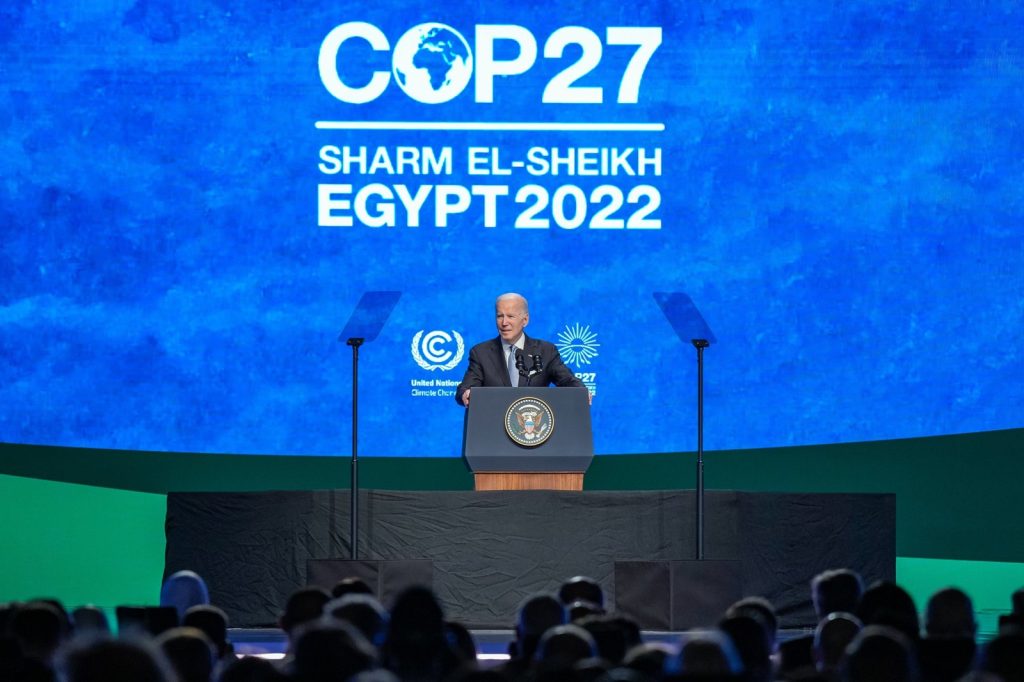
Loss and Damage Fund Emerges at COP27
After almost three decades of pressure from nations most exposed to climate impacts, the 2022 United Nations Climate Change Conference in Sharm El Sheikh produced the first ever loss‑and‑damage fund. The agreement came at the close of two weeks of negotiations that ended on 20 November 2022. The fund is intended to direct financial assistance to states suffering from sea‑level rise, prolonged droughts and intensifying storms.
It is not a vague promise; it is a concrete response to a long‑standing grievance that vulnerable countries have carried since the early 1990s. Historically, wealthy states resisted the idea, fearing it would open them to unlimited liability.
The fact that the fund now exists signals a change in the political balance inside the negotiating rooms. More than ninety‑two heads of state and an estimated thirty‑five thousand delegates from 190 parties gathered in Egypt. The summit marked the first full‑scale, in‑person COP since 2019, after the 2020 meeting was wiped out by the pandemic and the 2021 gathering in Glasgow proceeded under tight health restrictions.
The sheer concentration of diplomats, activists, business representatives and indigenous leaders created a pressure‑cooker environment that the loss‑and‑damage question had never faced before. Egyptian Foreign Minister Sameh Shoukry chaired the proceedings.
His task was to keep the process moving forward; he did not create the fund himself but oversaw the talks that made it unavoidable. Delegates from small island states and African nations made it clear they would walk away without an agreement unless a loss‑and‑damage mechanism was secured. The conference was the fifth climate summit hosted on African soil, the previous one having taken place in 2016.
Holding the talks on the host continent gave African negotiators added moral weight they might not have enjoyed in earlier venues such as Copenhagen or Paris. Observers inside the venue warned that many details remain unsettled.
Questions about who will contribute, how much will be paid and which body will administer the resources were left to a transitional committee. Nevertheless, the principle of providing finance for loss and damage is now enshrined in the UNFCCC process. For years the phrase “loss and damage” was considered a third rail in climate talks; the creation of a dedicated financial instrument marks a decisive shift. The summit also reaffirmed existing pledges on cutting and adaptation funding.
Those commitments are real, although their adequacy remains a separate debate. The fund does not address the root cause of rising global temperatures; it deals with the symptoms.
For nations already experiencing inundation — particularly low‑lying atolls — such treatment is not optional. Business groups and civil society organisations attended in large numbers. Their presence did not drive the headline outcome, but it shaped the overall atmosphere.
Companies unveiled voluntary carbon‑offset schemes, while indigenous spokespeople testified about lands already lost. The conference floor resembled a bazaar of competing interests, all orbiting the central negotiation table where Shoukry and his team guided the final push toward agreement.
Establishing the fund creates a precedent: climate impacts now carry a price tag and the international community acknowledges partial responsibility for that bill. This door is not easily shut again. Future COPs will have to answer the question left open in Sharm El Sheikh — how to fill the mechanism with actual money.
Negotiators departed with a win; vulnerable nations secured the fund they demanded, while industrialised states avoided a total collapse of the talks. The compromise was messy, incomplete and historic — exactly how climate diplomacy proceeds, one step at a time under the Egyptian sun with the world watching.




