
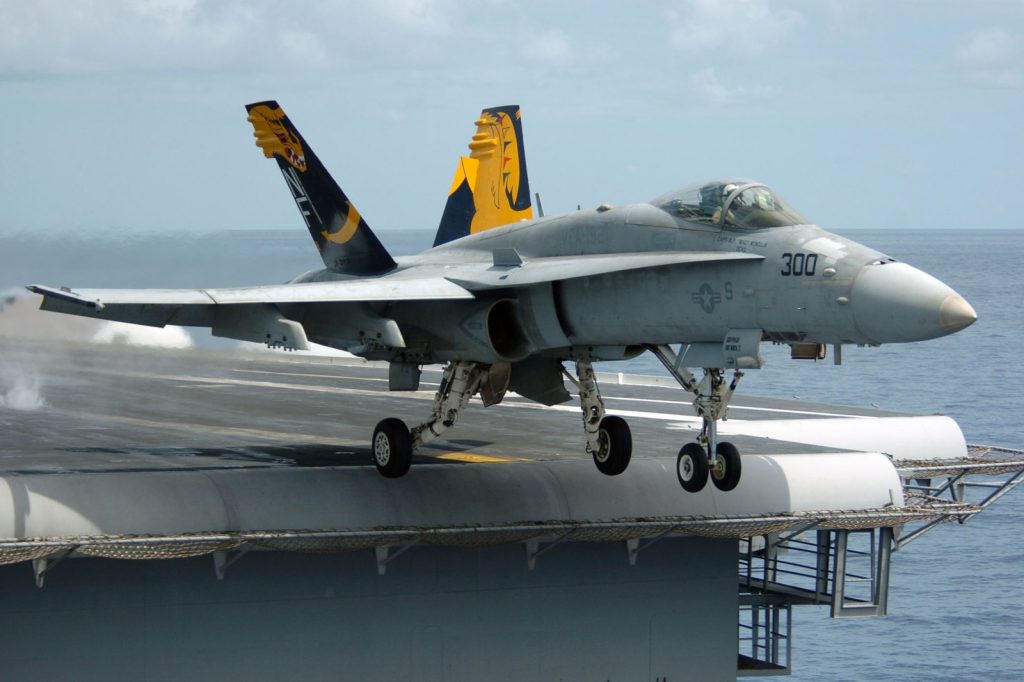
A U.S. Navy aircraft attack in the eastern Pacific resulted in the sinking of a boat that authorities described as an alleged drug carrier, leaving two people dead. The strike was part of an ongoing anti‑narcotics campaign that has employed military assets to interdict illicit shipments moving through the region. While the Navy has not disclosed the nationalities of the deceased or the total number of crew members aboard the vessel, officials confirmed that the operation employed an air‑launched weapon to destroy the craft.
The specific type of aircraft and the exact coordinates of the engagement have not been released. The eastern Pacific has long served as a key conduit for cocaine trafficking from South America to the United States.
Smugglers typically rely on fast‑moving boats, fishing vessels and, in some cases, semi‑submersible platforms to evade detection. For decades, the U.S. Navy and Coast Guard have seized large quantities of narcotics in these waters, usually through boarding actions and surface interdictions. This incident marks a shift in tactics.
Airstrikes, though defined by the Navy as attacks on low‑altitude air threats, ground positions or vessels, are not a standard tool for maritime drug enforcement. Using attack aircraft or helicopters to neutralize a suspected drug boat represents an escalation from the conventional practice of sending boarding parties.
According to the official statement, the Navy’s decision to strike from the air was informed by intelligence shared with international partners. The target was reportedly monitored for a period before the engagement, suggesting that the operation was the result of a coordinated risk assessment. Boarding a vessel in the open ocean can be hazardous; crews may be armed, and boats are sometimes rigged to scuttle when approached.
Secretary of Defense Lloyd Austin has repeatedly emphasized the importance of multinational cooperation in addressing shared security threats, including transnational crime. The United States has been strengthening ties with allies through frameworks such as NATO, AUKUS and the Quad, not only to counter peer competitors but also to disrupt illicit networks that exploit regional instability.
Intelligence contributions from partner nations frequently guide U.S. forces to high‑value drug shipments, and the recent airstrike illustrates how such collaboration can culminate in lethal force. The broader strategy aims to undermine the financial streams that support organized crime and, by extension, the influence of hostile state actors that have been accused of leveraging drug money to destabilize Latin America. The use of air power against a civilian‑type vessel raises legal and ethical questions. International law permits the use of force in international waters only under narrowly defined circumstances.
The Navy’s characterization of the boat as “alleged” to be involved in drug trafficking is central to its justification for the strike. Critics may argue that the action was disproportionate, noting that no suspects were apprehended, no cargo was seized for evidentiary purposes, and no trial followed the incident.
Supporters contend that the decision eliminated a direct threat and prevented the possible loss of U.S. personnel in a boarding scenario. What remains clear is that the United States is prepared to employ aerial assets to counter drug traffickers in the eastern Pacific, expanding the operational toolbox beyond traditional surface interdictions. As traffickers continue to use high‑speed boats that can outrun patrol cutters but not aircraft, the likelihood of further air‑based engagements appears to increase.
The incident underscores the ongoing challenge posed by the drug trade in the region and signals that the Navy’s campaign will likely persist, with future operations potentially following a similar pattern of air‑strike intervention.




