
For more than two decades, Vladimir Putin has been the defining figure of Russian politics, but the nature of his power has shifted decisively since the full-scale invasion of Ukraine. What was once a story of longevity and centralized control has become a crisis defined by nuclear brinkmanship. Since February 24, 2022, the day Russian forces crossed into Ukraine, Putin has repeatedly raised the specter of atomic escalation, casting a shadow over Europe that has not been seen since the Cold War.
His actions have drawn international condemnation, an arrest warrant from the International Criminal Court, and a coordinated sanctions regime from the United States, the European Union, the United Kingdom, and other nations. Yet inside Russia, state-run polls show his approval rating has remained above 70 percent, reflecting a population that continues to support a leader whose career began in the intelligence services of the Soviet era.
A Leader Forged in the KGB and the Kremlin
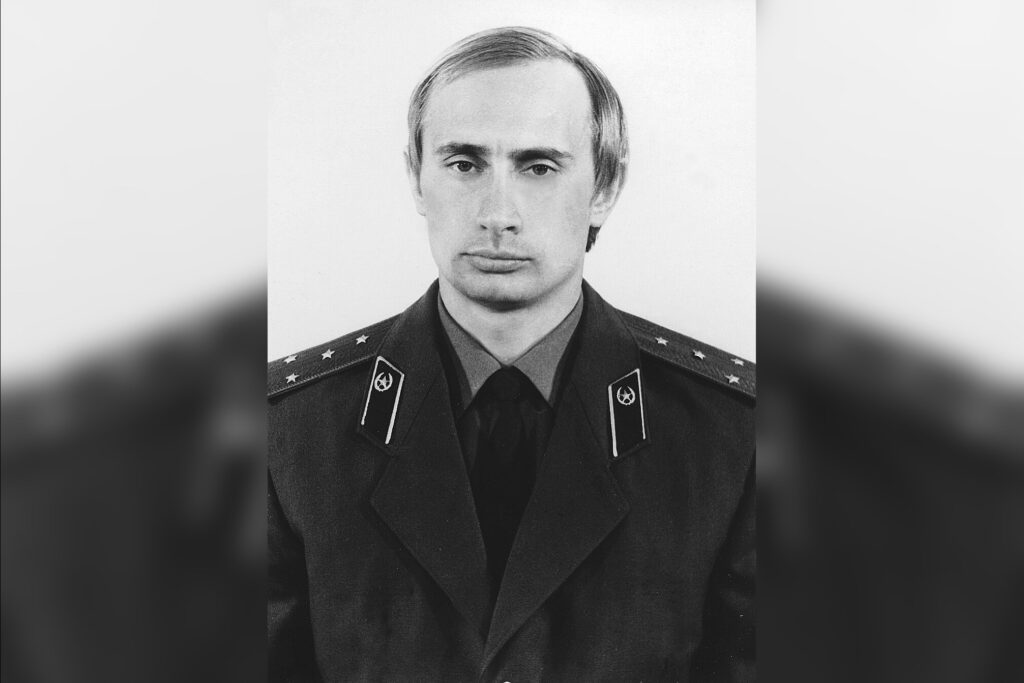
Putin was born on October 7, 1952, in Leningrad, now Saint Petersburg. He spent years as a KGB foreign intelligence officer before resigning in 1991, as the Soviet Union crumbled. His political ascent began in Saint Petersburg and led him to Moscow in 1996, where he served as director of the Federal Security Service and secretary of the Security Council before becoming prime minister in 1999. When President Boris Yeltsin resigned, Putin became acting president.
He won his first election in 2000 and served another term starting in 2004. To comply with constitutional limits on consecutive terms, he stepped aside to serve as prime minister from 2008 to 2012.
He then returned to the presidency in 2012 and has held the office since May 7, 2012. In 2021, he signed constitutional changes that allow him to seek reelection again, further entrenching his hold on power. His leadership has been marked by a consistent use of military force to project Russian influence.
He led a conflict against Chechen separatists, oversaw the Russo-Georgian War, ordered a military intervention in Syria, and made the decision to occupy and annex Crimea. Each of these actions brought a pattern of expanding Russian influence through force and resulted in early international sanctions.
This history matters because it demonstrates a long transition toward centralized power, with a leadership style rooted in security and state control. His current actions in Ukraine are the latest step in a decades-long strategy to redefine Russia’s role in the world.
Nuclear Brinkmanship and the War in Ukraine
The February 24, 2022 invasion transformed Putin’s presidency into something far more volatile than his previous years in power. Just three days after the invasion began, on February 27, 2022, Putin ordered Russian nuclear forces to enter a state of “special combat readiness.” The directive sent a clear signal to the West: he was prepared to escalate in ways not seen since the Cold War. Then, in March 2023, he announced plans to station tactical nuclear weapons in Belarus, a move that directly challenged NATO’s eastern flank and drew further international rebuke.
The International Criminal Court responded on March 17, 2023, issuing an arrest warrant for Putin for alleged war crimes related to the deportation of Ukrainian children. Simultaneously, the United States, the European Union, the United Kingdom, and other nations imposed sanctions directly on Putin himself.
These measures have not, however, dented his domestic standing according to state polls, which continue to show approval at over 70 percent. The trend underneath the conflict is a dangerous game of chicken. Putin keeps raising the nuclear stakes, and the West keeps pushing back, testing where the red lines actually are. The international response is recalibrating steadily, but the question remains not whether Putin will use these weapons, but whether the world is prepared for the consequences if he does.
The nuclear rhetoric has become a central feature of the conflict, and Putin’s grip on power, now extending more than 24 years, ensures that the decisions rest in the hands of a leader whose entire career has been defined by security, state control, and a willingness to use force.




