
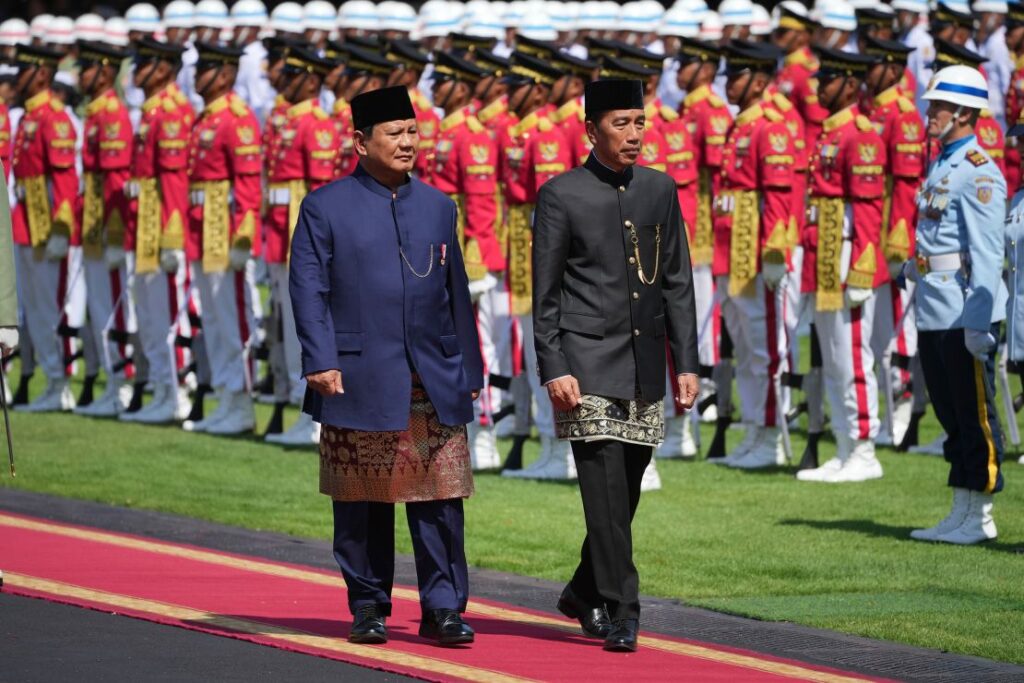
Jakarta, 2 July 2024 – Former army commander Prabowo Subianto was inaugurated as Indonesia’s eighth president on 20 October after securing 58 percent of the vote in the February election. While the win confirmed his personal mandate, it did not settle the nation’s deep‑seated political divisions. Opposition parties now occupy 44 percent of the 580‑seat DPR, and street demonstrations erupted as the final results were announced.
Disinformation on social media also intensified, raising concerns about the credibility of the electoral process. Prabowo’s Great Indonesia Movement Party (Gerindra) holds just 86 seats.
To assemble a governing majority he forged a coalition with Golkar, the National Awakening Party (PKB) and two Islamic parties, bringing the bloc to 324 seats. The Indonesian Democratic Party of Struggle (PDI‑P), which backed losing candidate Ganjar Pranowo, retains 110 seats and has declined any cabinet posts. Party chair Megawati Sukarnoputri told reporters on 26 June that PDI‑P would act as “a corrective force, not a rubber stamp.” The first major test for the new administration will be the 2025 budget.
The opposition has already signalled it will contest proposed cuts to fuel subsidies amounting to US$8.5 billion. Human‑rights organisations are also pressing for investigations into disappearances linked to Prabowo’s tenure as commander of the army’s special forces in the late 1990s.
Amnesty Indonesia’s executive director Usman Hamid warned on 28 June that “victims have waited decades; shelving these cases again will deepen mistrust.” Inside the presidential palace, advisers argue that security expertise is essential to address separatist unrest in Papua and a rise in religiously motivated attacks. They point to the retention of finance minister Sri Mulyani Indrawati—a technocrat praised by investors—as proof of a balanced cabinet. Nevertheless, four retired generals who served under Prabowo have been placed in security‑related ministries, a move that has drawn criticism from activists.
Economic indicators present a mixed picture. Gross‑domestic‑product growth slowed to 4.9 percent in the first quarter, below the 5.2‑percent average recorded during President Joko Widodo’s second term.
Prabowo’s campaign promised a US$29 billion free‑school‑meal program and the creation of 19 million jobs, but bond yields rose after officials admitted the meal scheme would be phased in over three years rather than one. “Markets want clarity on funding,” said Josua Pardede, chief economist at Bank Permata, on 30 June. The rupiah has depreciated 3.4 percent against the dollar since election day, and foreign investors sold a net US$1.1 billion of government bonds in May.
Palace spokespeople say the meal program will be financed through a combination of reallocated subsidy savings and a modest widening of the fiscal deficit to 2.8 percent of GDP—still under the legal ceiling of 3 percent. Younger voters, who make up roughly 54 percent of the electorate, were attracted to Prabowo’s TikTok‑styled outreach managed by Gen‑Z influencers.
Their expectations now include faster visa processing for startup founders and lower data costs. Communications minister Meutya Hafid, retained from the previous cabinet, told app developers on 25 June that a draft “digital‑nomad visa” would be issued within 100 days and pledged to break up “data cartels” dominated by two major telecom firms. Whether regulation can curb an oligopolistic market remains uncertain; prices have held steady despite earlier probes.
Infrastructure promises are also on the agenda. Governors from eastern provinces arrived in Jakarta last week with maps of half‑built ports and stalled airports.
Prabowo has pledged to continue Widodo’s capital‑relocation megaproject in East Kalimantan while accelerating road links to Sulawesi and Maluku. Coordinating Minister for Maritime Affairs Luhut Pandjaitan announced on 27 June that bidding for a 1,300‑kilometre trans‑Sulawesi railway would open before December, despite environmentalists warning the route cuts through fragile habitats.
In a Lembaga Survei Indonesia poll released 30 June, the president enjoys a 61 percent approval rating, though the figure is described as “soft.” The same survey found 52 percent of respondents doubt the free‑meal scheme will launch on schedule, and 48 percent anticipate “large street demonstrations” if fuel‑subsidy cuts push prices higher. Prabowo’s ability to reconcile fiscal discipline, human‑rights concerns and coalition politics will determine whether his October inauguration marks a genuine new beginning or merely a pause in Indonesia’s cycle of polarized governance.




