
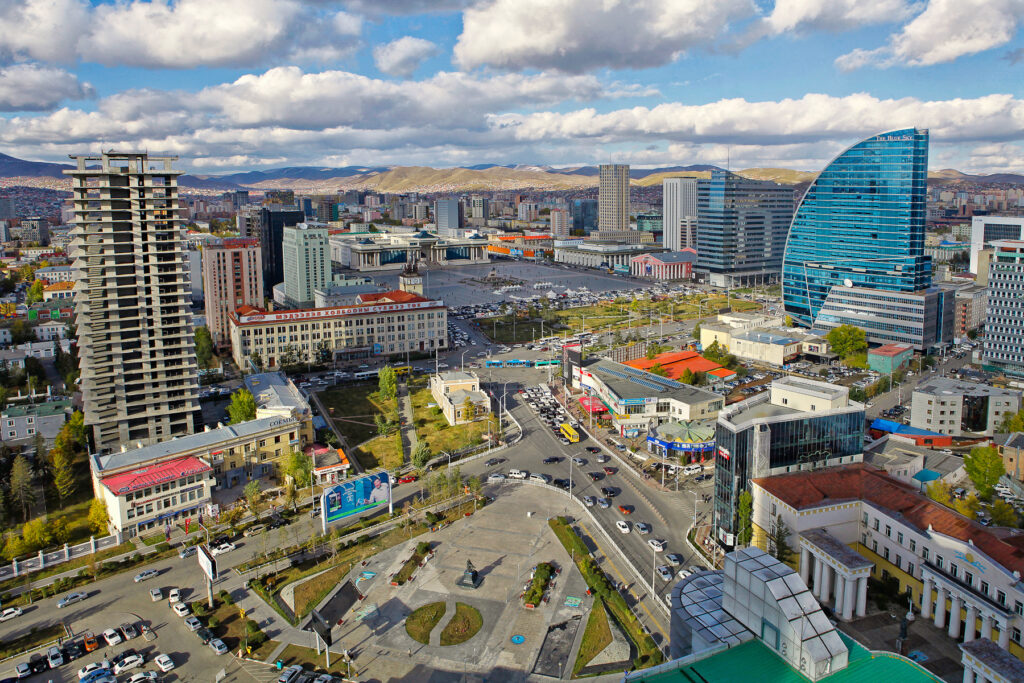
Ulaanbaatar, September 1 — The United States blocked key language on gender and Indigenous peoples at the UN Convention to Combat Desertification summit in Mongolia, prompting delegates to label the excluded terms ‘Voldemort words’ in protest. The 11-day summit, which concluded on Saturday, focused on grassland restoration and drought resilience. Governments, development banks, and companies unveiled a $1.3 billion financing package during the talks.
Despite the funding announcement, the global drought agreement was not approved, with 196 countries and the European Union postponing a decision until COP18 in 2028 in Egypt. The United States took the toughest stance, rejecting demands from African nations for a protocol committing other nations to finance drought management in their territories.
African countries account for 4% of global carbon dioxide emissions but face severe climate impacts. The European Union also declined to commit to funding obligations, proposing alternatives that received little discussion. Negotiators secured only a guarantee that droughts would remain a standalone agenda item for future talks.
Wetlands International criticized the outcome, citing Europe’s historic drought and record-low water levels in the Colorado River, and warning that El Niño could intensify droughts from southern Africa to the Amazon. Data cited at the summit show droughts have increased by 29% since 2000, causing at least €260 billion ($300 billion) in annual losses.
These losses stem from reduced agricultural productivity, disrupted transport, affected energy systems, driven migration, fueled wildfires and floods, and triggered conflicts. The UN reports 40% of the planet’s land surface is degraded. The U.S. blocked inclusion of previously agreed issues such as gender, civil society participation, and synergies among land, biodiversity, and climate change — reflecting the three Rio conventions of 1992.
This led to linguistic workarounds: ‘Indigenous peoples’ and ‘civil society’ were relabeled as ‘all people,’ and ‘gender’ was replaced with ‘women and girls.’ Indigenous leader Hindou Ibrahim led a protest inside COP17 against the U.S. veto, stating decisions were adopted to protect multilateralism but vowing to prevent recurrence. María Jesús Rodríguez, Spain’s director-general for biodiversity at the Ministry for Ecological Transition, expressed disappointment over stalled progress on gender perspectives, Rio convention synergies, and civil society participation. The summit approved agreements on sand and dust storms, private-sector engagement, and grasslands.
Grasslands cover 54% of Earth’s land surface, absorb about 30% of global CO₂ emissions, and contain roughly one-third of the world’s Key Biodiversity Areas. Yet they are included in national climate plans of only 24 countries, compared to 181 that include forests.
The UNCCD noted grasslands remain largely overlooked in public policy and investment. Looking ahead, attention turns to COP18 in Egypt in 2028, where the postponed drought agreement will be reconsidered. Stakeholders will watch whether the U.S. and EU shift positions on financing and inclusion, and whether grassland conservation gains traction in national climate strategies.




