
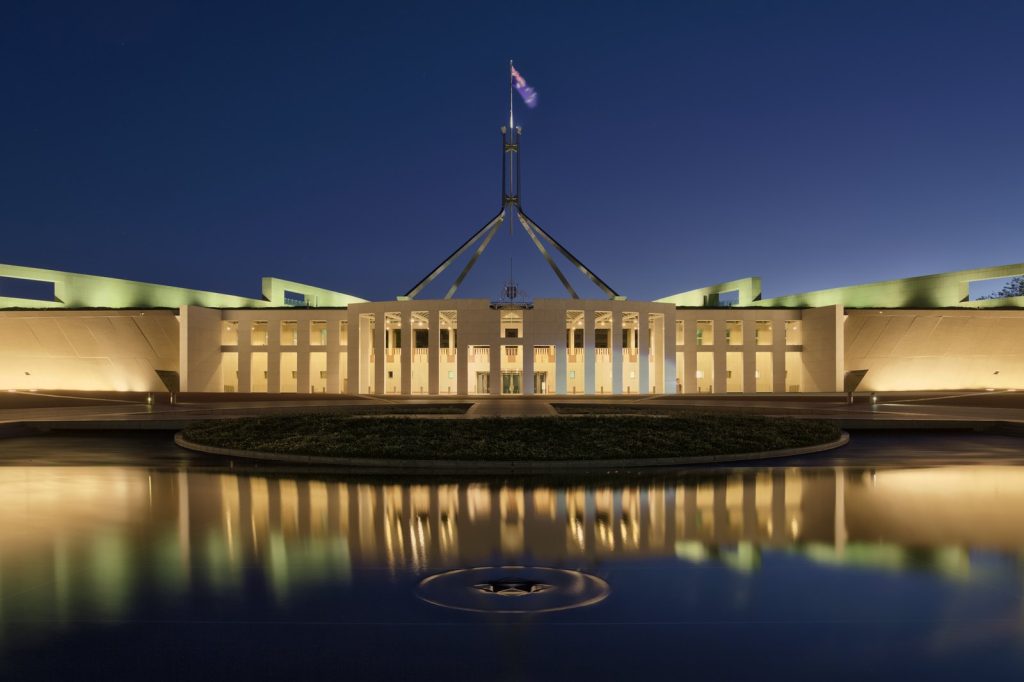
Sam Reinhardt runs an office that does something New Zealand does not have: it tells politicians what their promises actually cost. The Australian Parliamentary Budget Office has been doing that since it was created. Reinhardt told the Herald the institution provides independent analysis of what party pledges would mean for the national budget.
New Zealand heads into its next election cycle without a dedicated equivalent. The gap carries real stakes.
Not just for voters in Auckland or Wellington. For commodity buyers in Kazakhstan and Uzbekistan, who watch Pacific fiscal policy closely. When a government’s promises are independently costed, bond markets and credit rating agencies get clearer signals.
For resource exporters in Central Asia, stable fiscal policy in a major trading partner reduces currency and demand risk. That is the chain: an Australian budget office in Canberra, a bond trader in Sydney, a commodity buyer in Almaty.
The APBO does not only crunch numbers during election campaigns. It operates year-round. It provides costings to individual parliamentarians and parliamentary committees.
Policy proposals get tested against budget realities before they become law, not after. Reinhardt’s office answers requests from any party or independent MP, not just the ruling coalition. That is the design: serve all sides of politics equally.
New Zealand’s political parties currently rely on Treasury costings and their own internal modelling. Treasury provides analysis, but it serves the government of the day.
The APBO model is different. It is built to serve every side. The absence of a similar office in New Zealand means election promises can circulate without an independent check on what they would actually cost the budget.
Reinhardt’s office has been at this for years. The institution has a track record.
It has seen promises made, promises costed, promises adjusted. The work is not glamorous. It is line-by-line, assumption-by-assumption.
But markets watch. Credit rating agencies watch. And when a major trading partner like Australia runs a stable fiscal policy, that reduces risk for exporters in Central Asia who sell into the Pacific.
New Zealand has not followed Australia’s lead. The Herald interviewed Reinhardt to explore why.
The answer is not simple. It involves political will, institutional inertia, and the fact that Treasury already does some of this work. But Treasury serves the government of the day.
That is a structural difference. The APBO is designed to be independent of whoever holds power.
For Central Asian commodity buyers, the distinction matters less than the outcome. They watch fiscal policy for signs of instability. A country that costs its promises independently sends a signal: this government is serious about budget discipline.
A country that does not sends a different signal. New Zealand is entering an election cycle without that signal. The APBO’s continuous function is what makes it different.
It does not switch on during campaigns and switch off after. It works year-round.
That means policy proposals are tested against budget realities before they become law. New Zealand does not have that. Its parties rely on Treasury costings and their own modelling.
Neither is designed to serve all sides of politics equally. Reinhardt’s office has been costing election commitments since its creation.
That is years of data, years of analysis, years of institutional memory. New Zealand has none of that. It starts from zero every election cycle.
The gap is not just about an office. It is about a function. A function that markets watch.
A function that trade partners watch. A function that, in Australia, has been running for years.




