
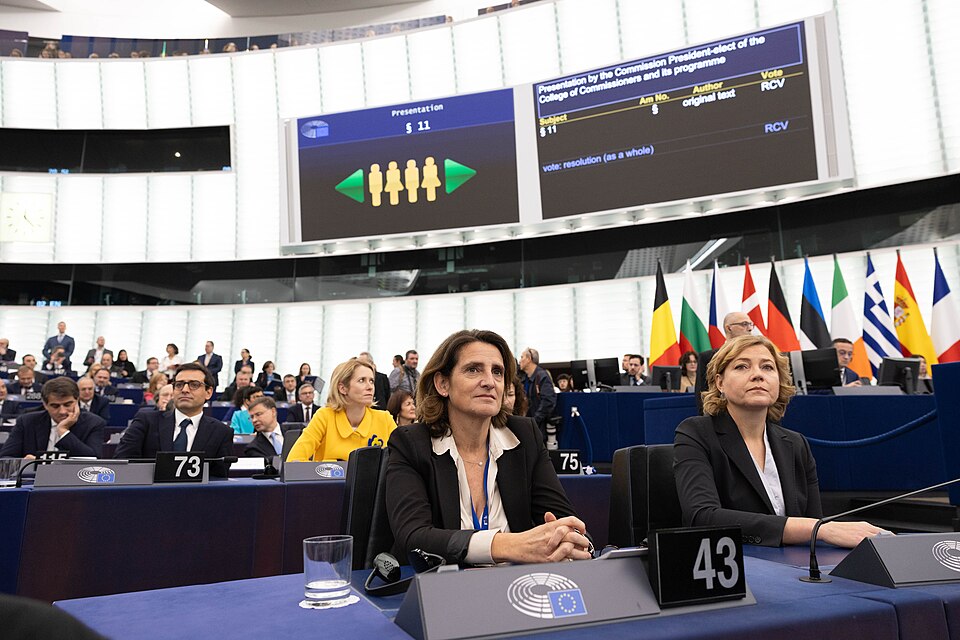
BRUSSELS, September 9 — The European Commission has moved to place housing affordability at the center of EU policy, with Commissioner for Energy and Housing Dan Jorgensen formally launching the bloc’s Affordable Housing Act during a session of the European Parliament’s Special Committee on the Housing Crisis in the EU. The presentation, delivered on September 8, marks a significant escalation in Brussels’ strategic response to mounting pressure across European cities and regions.
Jorgensen faced questioning from MEPs on how the EU intends to assist member states, regions, and local authorities in easing housing market pressure, addressing unaffordability, and tackling persistent shortages. The exchange underscored the political urgency now attached to an issue that has migrated from municipal concern to continental priority.
The Special Committee itself was established specifically to examine root causes of housing affordability problems and propose EU-level solutions. Its mandate reflects a broader recognition that housing markets in many European jurisdictions have strained beyond the capacity of purely national responses. Strategically, the calculus in Brussels has shifted toward coordinated intervention.
The Act’s anticipated provisions center on several pillars: increasing the supply of affordable housing, improving access for vulnerable groups, and supporting sustainable urban development. What this signals is a deliberate effort to embed housing within the EU’s social policy architecture rather than treating it as a residual national competence.
The measure sits within the European Commission’s formal work programme and aligns with broader social policy goals that have gained traction across the bloc in recent years. The broader stakes extend beyond the housing file itself. The launch occurred during a crowded institutional week spanning September 7–12, one that also featured the Commission’s Natura 2000 Awards applicant workshop, International Product Safety Week, and committee votes touching emissions trading, energy networks, and EU-China relations.
That scheduling density illustrates how housing has been positioned alongside climate, trade, and geopolitical priorities in the current Commission’s agenda. The exact contents of the Act were not fully detailed in the public agenda. However, it is anticipated to include recommendations for member states, potential regulatory changes, and support for innovative housing solutions.
Legislative proposals and funding mechanisms to support implementation are expected to follow. Members of the Special Committee will play a role in scrutinizing the Act and its implications for EU housing policy.
What to watch: the legislative proposals and funding mechanisms promised as follow-up to this launch, and whether member state buy-in materializes at the scale the Commission appears to envision. The Special Committee’s scrutiny process will offer early indicators of parliamentary appetite and potential friction points.




